Reviewed · TICKETS
Saint Patrick’s Cathedral Dublin Entry Ticket
Saint Patrick’s Cathedral is not just another old church. It is Ireland’s largest cathedral, a medieval place of worship filled with stained glass, carved stone, old battle colors, memorials, and more than 800 years of Dublin story. The audio tour helps turn a quiet walk through the building into a clear, thoughtful lesson.
I like the freedom to move at your own pace, and I like the 18 audio stations, which add much more detail than a quick look around can provide. The Jonathan Swift connection gives the visit a personal touch, while the cathedral itself offers a calm break from the city streets.
The main drawback is that a self-guided visit can feel a little museum-like if you want a lively human guide or a formal service. Some areas may also be closed during worship, and busy periods can make the interior less peaceful.
Key points to know before you go

- A major Dublin landmark: See Ireland’s largest cathedral and a building shaped by over 800 years of religious and civic history.
- Audio guidance matters: The handheld guide covers 18 stations, with extra information available through question-mark prompts.
- Look for Jonathan Swift: The former dean of the cathedral, and author of Gulliver’s Travels, has a strong presence here.
- Plan for more than 45 minutes: The listed visit lasts about 45 minutes, but the audio material and displays can keep you inside for one to two hours.
- Go early for a calmer visit: The cathedral can become crowded when tour buses arrive.
- Good value at $13.91: The ticket includes admission and audio material, making it a reasonably priced indoor stop in central Dublin.
Why Saint Patrick’s Cathedral belongs on your Dublin list
Saint Patrick’s Cathedral gives you a compact lesson in Dublin’s past without requiring a full-day tour. You enter one building and find medieval architecture, religious history, literary connections, music, memorials, and reminders of Ireland’s political past.
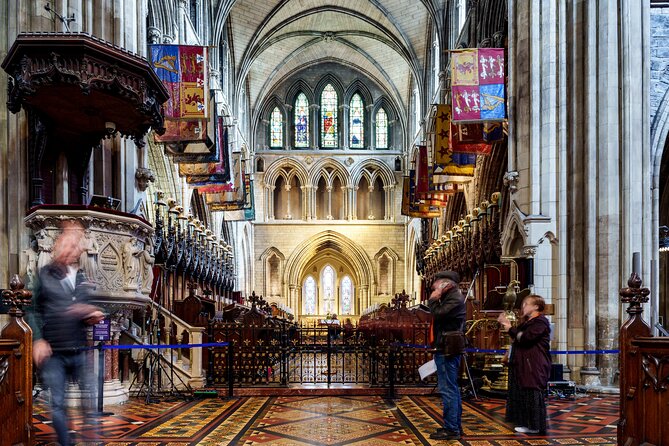
The first impression is visual. The Gothic interior rises above you with high vaulted ceilings, narrow vertical lines, stained-glass windows, and detailed stonework. You do not need to be a church expert to appreciate the craftsmanship. The building rewards a slow look, especially when you stop noticing the overall scale and start examining individual details.
I also like the atmosphere. This is a working cathedral, not only a historic shell. That means the space can feel peaceful and reflective, but it also means some parts may be unavailable when a service is taking place. Check the day’s arrangements if seeing every area is important to you.
The cathedral is Anglican, or Protestant, today. It was Catholic at an earlier point, which can surprise people who arrive expecting a Catholic cathedral because of its name and connection with St. Patrick. That change is part of what makes the building useful for understanding Ireland’s complicated religious past.
A few more Dublin half-days to weigh up
- Dublin to Cliffs of Moher, including Wild Atlantic Way and Galway
★ 5.0 · 23,331 reviews - From Dublin: Cliffs of Moher, Burren & Galway City Day Tour
★ 4.8 · 18,888 reviews - Dublin: Guinness Storehouse Entry Ticket
★ 4.6 · 16,863 reviews
Entering the Gothic interior

Your main stop is Saint Patrick’s Cathedral itself. The visit has no long route through several Dublin attractions. Instead, you spend your time inside one substantial building, moving at your own pace and stopping where the architecture or displays catch your attention.
Look up first. The vaulted ceiling gives the interior its sense of height and ceremony. Then bring your attention down to the windows, stone carvings, memorials, and historic objects placed around the cathedral. The stained glass is one of the biggest visual rewards, with color and detail that become clearer when you take time rather than simply walking through.
The building also contains old battle colors and other reminders that the cathedral has been connected to public life as well as private prayer. You might find the mixture more interesting than a spotless, purely devotional space. It shows how a large historic church can also act as a record of the people and institutions that shaped Dublin.
The cathedral is accessible to wheelchair users, and most people can take part. Service animals are allowed. Under-18s must be accompanied by an adult, so families should plan around that rule.
How the 18 audio stations improve the visit
The audio guide is the practical heart of this experience. A beautiful cathedral can be hard to read on its own. You see the windows and stonework, but without context, many details remain just decoration. The guide gives each major point a story and helps you understand why it matters.
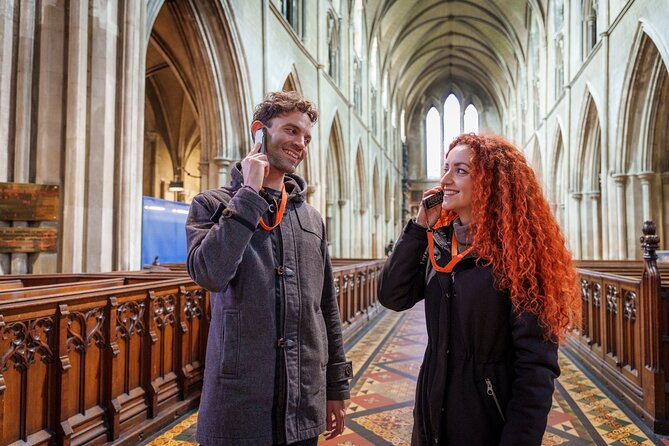
The tour uses a handheld audio device and covers 18 stations. It is available in several languages, according to the information provided, and includes extra material through question-mark prompts. I recommend using those optional sections when you have time. They are useful for moving beyond the basic facts.
Some people prefer to read quietly, while others want a live explanation. This ticket suits the first group best. You can pause, replay information, skip sections, and spend longer at the parts that interest you. That flexibility is especially helpful if one person in your group wants architecture and another is more interested in church history.
Download the tour ahead of time if possible. Internet service can be slow during busy tourism periods, and preparing in advance avoids wasting time at the entrance. The audio is also worth using even if you think you only want a quick look. Without it, the visit may feel like a walk through an attractive but unfamiliar church.
The Jonathan Swift connection
The cathedral’s link with Jonathan Swift gives the visit a welcome literary angle. Swift, best known as the author of Gulliver’s Travels, served as dean of Saint Patrick’s Cathedral. You can learn about his life and connection with the building as you move through the interior.
This is one of the most memorable parts of the visit because it connects the cathedral to a person whose work still reaches readers around the world. You are not only looking at a medieval structure. You are also following the working life of a major writer who held an important position here.
If you have read Gulliver’s Travels, allow extra time for the Swift material. If you have not, the connection still adds a useful human story to the architecture. It helps prevent the cathedral from feeling like a collection of anonymous stones and old glass.
Same corner of Ireland, a completely different day out:
- Dublin to Cliffs of Moher, Burren, Wild Atlantic Way, Galway Tour
★ 5.0 · 12,924 reviews - Dublin to Belfast Black Cab, Dunluce Castle and Giant’s Causeway
★ 5.0 · 7,954 reviews - Kilkenny, Wicklow Mountains & Glendalough Day Tour from Dublin
★ 5.0 · 7,897 reviews - From Dublin: Wicklow Mountains, Glendalough & Kilkenny Tour
★ 4.8 · 6,235 reviews
Self-guided freedom, with a few trade-offs
A self-guided ticket is simple and flexible. You do not need to keep up with a group, and you can move through the cathedral at your own speed. That makes it a good choice for solo visitors, couples, and families with different levels of interest.
The staff are described as friendly, and the building is easy to move around. There is also a gift shop and restrooms on site. Those are small conveniences, but they matter when you are fitting a cathedral visit between other Dublin stops.
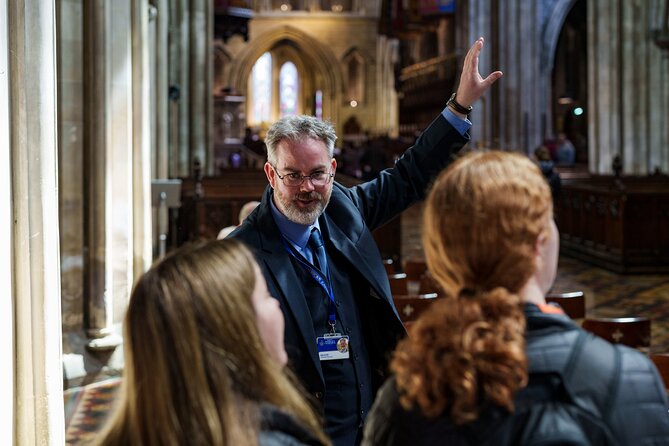
The trade-off is depth. A recording gives you solid information, but it cannot answer a specific question or adjust its explanation to your interests. Some visitors have found a volunteer-led tour more engaging, with guides such as Patty, Laura, and Maria praised for adding humor, warmth, and extra detail.
If a free guided option is available during your visit, ask about it. The audio guide remains a strong fallback, especially when no live guide is offered. For the best of both formats, use the human explanation if timing allows, then explore independently with the audio material.
How much time should you allow?
The advertised duration is about 45 minutes. That is enough for a brisk visit and a general look at the building. It is not enough if you want to listen carefully at all 18 stations, read displays, study the stained glass, and pause for quiet reflection.
I would allow at least an hour. Two hours is reasonable if you enjoy architecture, Irish religious history, or literary connections. Several parts of the audio guide include extra information, and those optional sections can extend the visit.
Your available time may also be reduced by cathedral events. One person had only about 20 minutes because of other activity in the building. A service can place some areas off limits, so do not schedule this too tightly before a train, meal, or timed attraction.
The listed opening hours are Monday through Saturday, 9:30 AM to 4:30 PM, for the stated period from January 1, 2026, through February 16, 2027. The supplied information does not list Sunday hours, so confirm before planning a Sunday visit.
The best time to visit
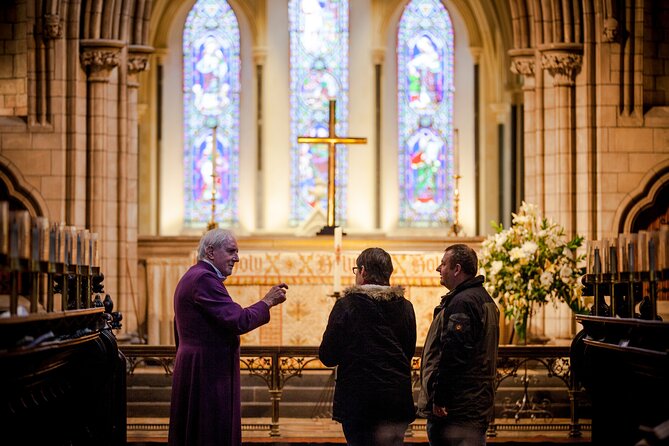
Go close to opening if you want the quietest setting. The cathedral can fill up when tour buses arrive, and crowds make it harder to hear the audio or stand still at the most interesting details.
An early visit also gives you more control over the pace. You can begin with the main interior, then follow the audio stations without constantly stepping aside for groups. If the cathedral is busy, the visit can still work, but the experience becomes less reflective and more like a museum circuit.
You should also check the schedule for services and other events before arriving. The cathedral remains a place of worship, and that is part of its character. It also means sightseeing must sometimes take second place.
Is $13.91 good value?
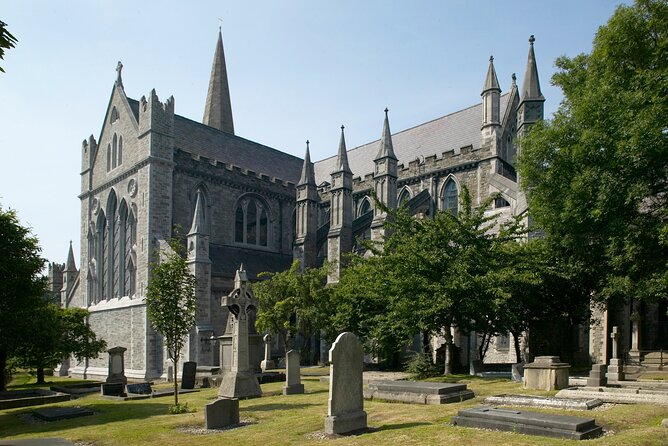
At $13.91 per person, this is a fair-priced Dublin attraction, particularly because admission and the audio guide are included. You are paying for access to a major historic building rather than a short photo stop, and the audio gives you a useful layer of interpretation.
The value depends on how you visit. If you rush in, take a few pictures, and leave after 20 minutes, the price may feel less convincing. If you spend an hour or two with the guide, examine the windows and carvings, and follow the Swift material, the cost becomes easier to justify.
It is also a useful rainy-day choice. The experience is mainly indoors, with a calm setting and enough information to occupy you beyond the first visual impression. The information supplied says the experience requires good weather, however, so a weather-related cancellation may result in another date or a full refund.
Free cancellation is available if you cancel at least 24 hours before the start time. Changes or cancellations made later are not accepted for a refund.
Who will enjoy this cathedral visit?
This ticket is a good match for you if you enjoy:
- Gothic architecture and stained glass
- Irish religious and civic history
- Literary connections, especially Jonathan Swift
- Self-guided sightseeing
- Quiet indoor attractions
- Audio tours with optional extra information
It also works well for first-time Dublin visitors who want one major historic stop without booking a long guided excursion. The location is near public transportation, so it can fit into a wider walking day.
You may want another option if you need constant personal guidance, dislike audio tours, or want to attend a specific service rather than sightsee. A self-guided ticket gives you information, but it does not guarantee choir music or access to every part of the building during an event.
The cathedral can be meaningful for people interested in theology, but you do not need a religious background to enjoy it. The architecture, Swift connection, stained glass, organ, and old civic symbols give the visit several points of entry.
Small details that make the visit better
Use the audio device rather than relying on your eyes alone. The building has too many layers to understand from appearance only, and the optional question-mark sections add useful background.
Give yourself time to look at the organ and the park outside. These details can be easy to miss if you treat the cathedral as a quick indoor photo stop.
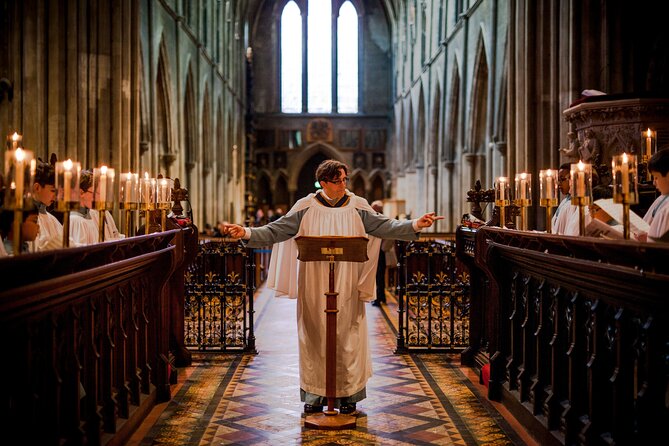
If you hope to hear the choir, plan carefully around the school-year schedule and service times. Choir access is not part of the admission promise, so treat it as a possible addition rather than the reason to buy the ticket.
Finally, keep your pace slow. The best parts are not limited to the grand ceiling or the most obvious stained-glass windows. Let the audio guide point you toward smaller details, then pause when something catches your eye.
Should you book Saint Patrick’s Cathedral?
Yes, if you want a reasonably priced Dublin attraction with serious architecture, a strong audio guide, and several ways to connect with Irish history. The ticket is particularly good for independent visitors who prefer to set their own pace.
Book with enough time to allow at least an hour, and aim for opening time if you want fewer people around you. If you prefer a live guide, ask about volunteer-led tours when you arrive. For most visitors, though, the included audio tour provides enough structure to make the cathedral more than a quick walk-through.
I would skip it only if your schedule is extremely tight, you are focused solely on active sightseeing, or you want guaranteed access to a service or choir performance. For everyone else, Saint Patrick’s Cathedral is one of the more worthwhile short stops in Dublin.
FAQ
How much does the Saint Patrick’s Cathedral entry ticket cost?
The listed price is $13.91 per person.
How long does the visit take?
The approximate duration is 45 minutes, but you can spend one to two hours if you follow the audio material carefully and take time with the displays and architecture.
Is the visit self-guided?
Yes. The visit includes a self-guided audio tour. The guide uses a handheld device and covers 18 stations.
Is the audio guide available in different languages?
Yes. The audio guide is available in several languages.
What are the opening hours?
The listed opening hours are Monday through Saturday, from 9:30 AM to 4:30 PM, for the period from January 1, 2026, through February 16, 2027.
Is Saint Patrick’s Cathedral wheelchair accessible?
Yes. The building is wheelchair accessible, and most people can participate.
Can I cancel for a full refund?
Yes, if you cancel at least 24 hours before the experience start time. Cancellations or changes made less than 24 hours in advance are not accepted for a refund.
Just added around Dublin
- Women Of Ireland: Trailblazers & Pioneers★ 5.0 · 4 reviews
- Full Day Private Wicklow Tour★ 5.0 · 12 reviews
- Wicklow Mountains & Glendalough Luxury Private Day Tour★ 5.0 · 23 reviews
- Wicklow tour of Glendalough★ 4.5 · 8 reviews
- Premium Irish Whiskey Tasting Hosted by Local Dublin Expert★ 5.0 · 77 reviews
- Whiskey Tasting Tour of Dublin★ 5.0 · 117 reviews
- Dublin To Kilkenny Castle Waterford Crystal Private Car – Day Tour★ 5.0 · 8 reviews
- Waterford Crystal and Kilkenny Full-Day Rail Tour from Dublin★ 5.0 · 3 reviews
Tickets, compared.



Fast-Track Book of Kells Ticket & Dublin Castle Tour
Read our review →
The Dublin Pass with Tickets to 40+ Attractions
Read our review →
Christ Church Cathedral Entrance Ticket & Self-Guided Tour
Read our review →
Smithwick’s Experience Kilkenny Entrance Ticket
Read our review →