
Reviewed · HISTORICAL TOURS
Dublin: Jeanie Johnston Tall Ship Irish Famine History Tour
The Jeanie Johnston brings Ireland’s famine years down to human scale. Instead of meeting the story only in a museum display, you walk the decks and squeeze into the cramped quarters where as many as 250 passengers spent most of a long Atlantic crossing. Their reasons for leaving, the price of passage, the food they ate, and the dangers they faced all become part of the tour.
I like two things especially: the real passenger stories, which keep the history from turning into a list of dates, and the sharp contrast between the open upper deck and the dark, crowded space below. Guides including Steve, Claire, Owen, and Katrina have been praised for clear storytelling and for keeping children involved. The main drawback is that the ship has tight spaces, stairs, and uneven access, so it is not suitable for wheelchair users or people with limited mobility.
Key points to know before boarding
- The tour lasts 50 minutes, a useful length for fitting into a day of sightseeing around Dublin’s Docklands.
- The upper deck explains the ship itself, including its work carrying timber before it carried emigrants.
- Below deck, you see the cramped quarters where passengers spent nearly all their time.
- Personal stories are central, including how people paid for passage and what awaited them after arrival.
- The English-speaking guides make the difference, with Steve, Claire, Owen, Eoin, and others praised for humor, clarity, and strong audience contact.
- Comfortable shoes matter, and the tour is not suitable for wheelchair users or people with mobility impairments.
Meeting the Jeanie Johnston on Custom House Quay
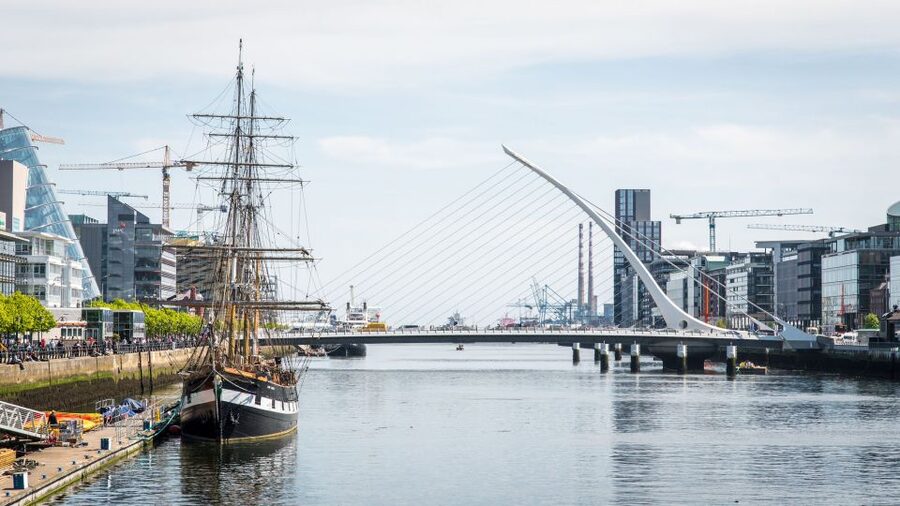
The ship is moored at City Moorings on Custom House Quay, Dublin 1, in the North Dock area. You start and finish at the ship, so there is no hotel pickup, shuttle, or extra transport arrangement to manage.
The setting gives you an immediate sense of Dublin’s working waterfront. From the upper deck, you can watch the Docklands around you, hear gulls, and feel the wind coming off the water. It is a useful change of angle from the city streets, though the view is a supporting feature rather than the main reason to book. The famine story is the heart of the experience.
At $16 per person, this is a modestly priced Dublin activity. I see it as particularly good value for anyone interested in Irish history, family roots, migration, or ships. The tour is short enough to pair with other sights, but it gives you more substance than a quick photo stop beside a moored vessel.
Allow a little time to find the meeting point and arrive ready to board. Starting times vary, so you need to check availability when booking. The experience is guided in English.
More Historical Tours in Dublin
- Dublin Historical Centre Food Tour with 8 Food Tastings & Drinks
★ 5.0 · 1,718 reviews - 2-Hour Historical Walking Tour from Dublin
★ 5.0 · 875 reviews - Historical 2-Hour Guided Walking Tour of Dublin
★ 4.7 · 865 reviews
Walking the upper deck and reading the ship’s story
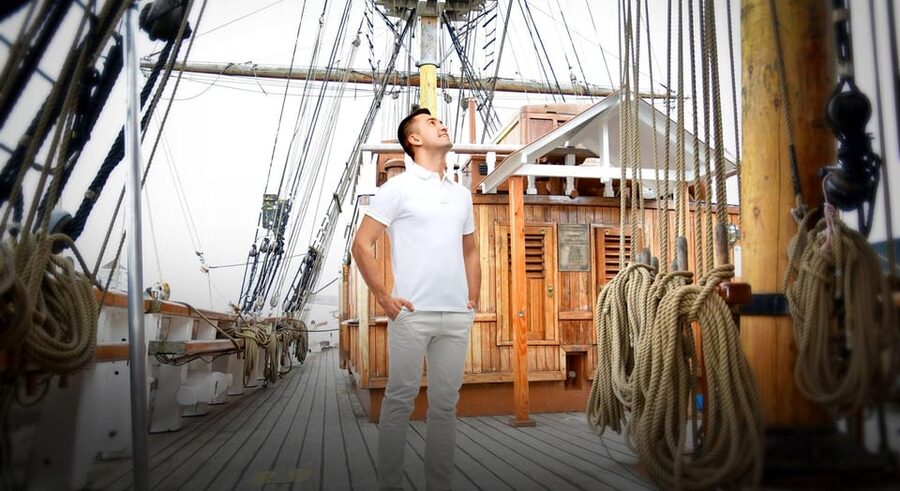
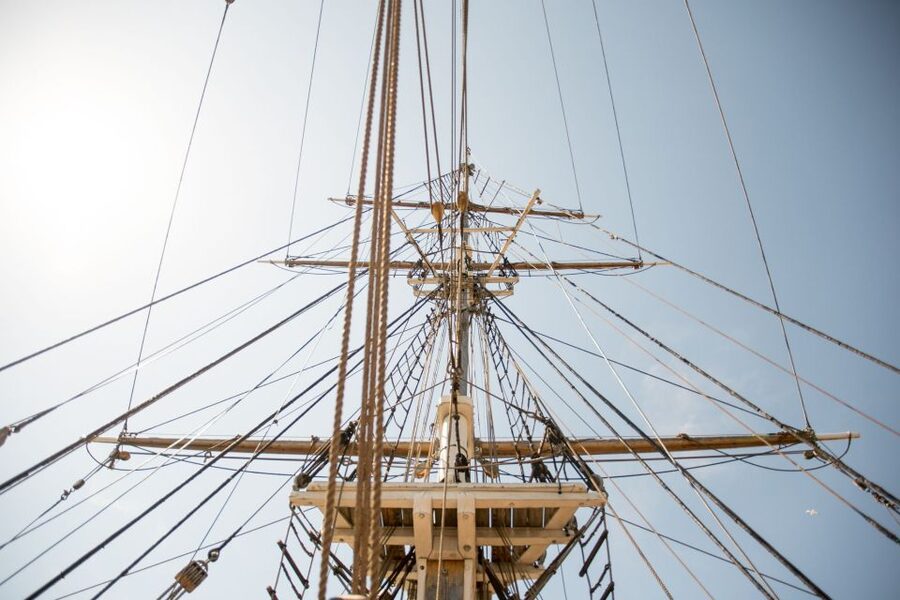
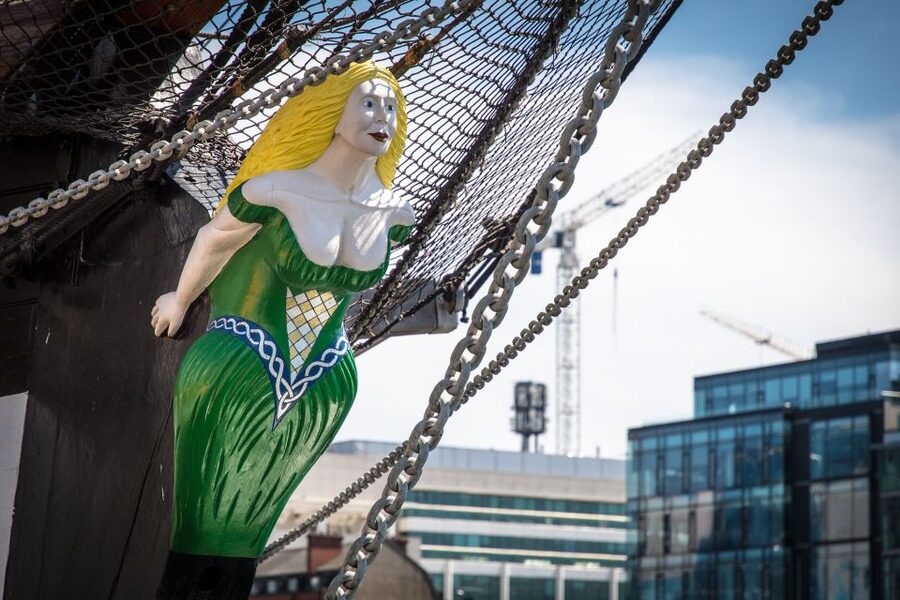
The tour begins above deck. This first section lets you look at the masts, timberwork, and general construction before the guide explains what the ship was built to do.
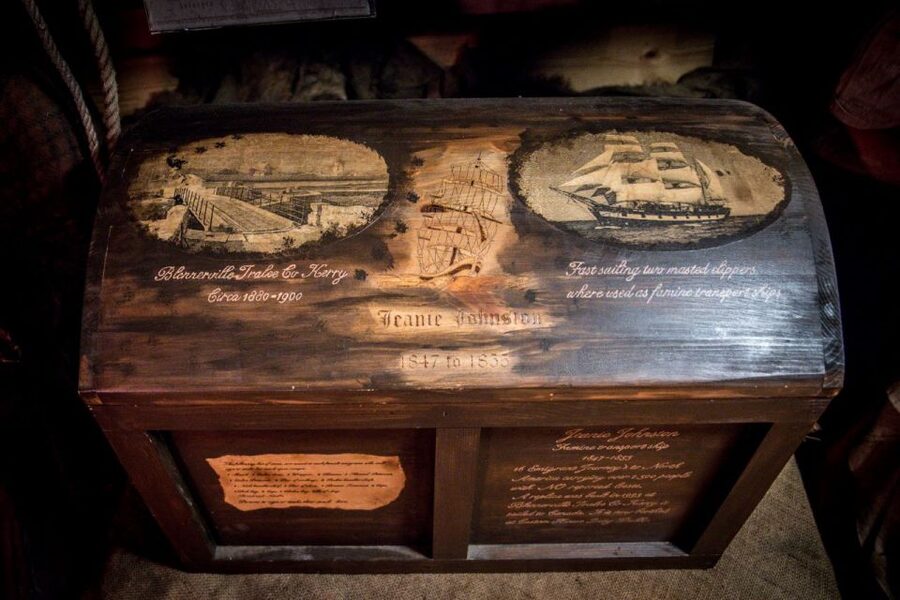
The original Jeanie Johnston began life as a timber carrier. Its later role in moving people gives the vessel its unusual place in Irish history. You are not simply looking at a sailing ship; you are learning how a working cargo vessel became linked with the mass movement of Irish people during the famine years.
The ship you see is a replica, and the guide explains how it was built. That distinction matters. The tour does not present the current vessel as the untouched ship that carried famine emigrants. Instead, it uses the replica as a physical setting for understanding the original vessel and the people connected with it.
I like starting here because it gives you a few minutes to get used to the ship before the more difficult material begins. You can study the scale of the masts and deck, then consider how very different this open space would have felt from the quarters below.
The upper deck also covers tall ships and the 19th-century shipping trade. This adds useful background without turning the first part into a technical lecture. You get enough information to understand the vessel’s working life, then the focus shifts to the passengers who depended on ships like this one.
It is also the best place for photographs. The Jeanie Johnston is one of the most photographed attractions in the Docklands, and the rigging, water, and city setting make a natural backdrop. Take your pictures early in the tour, but keep them secondary. The guide’s explanation is what gives the ship meaning.
Going below deck into the passengers’ world
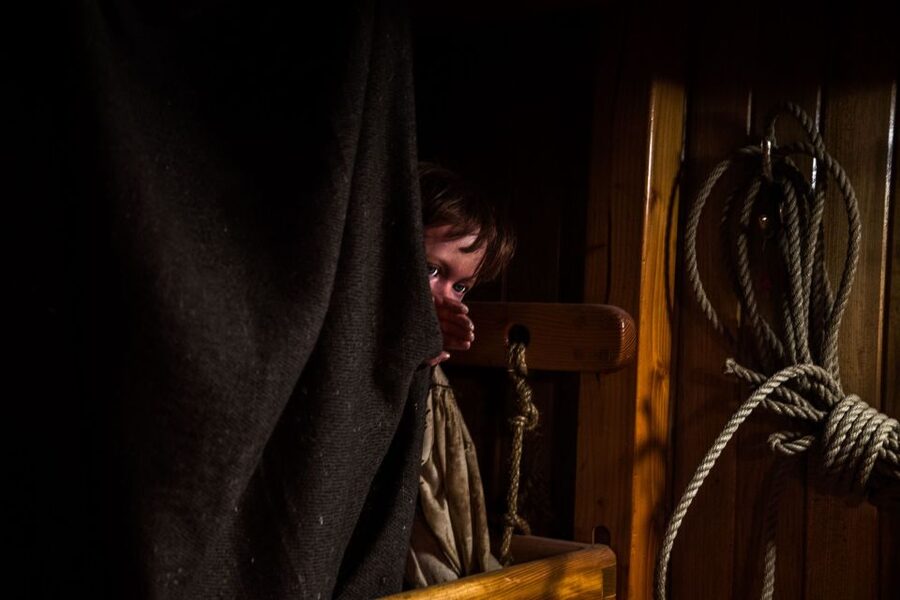
The emotional center comes when you go below deck. The quarters are cramped, and that physical restriction does important work. You do not have to imagine a grand cinematic scene. The limited space itself helps you understand how hard the crossing must have been.
As many as 250 passengers spent most of their time below. They were allowed only about half an hour of fresh air each day, according to the tour information. That detail changes how you see the ship. A passage across the Atlantic was not simply a long journey with uncomfortable beds. It meant extended confinement, little privacy, poor air, and constant exposure to illness.
The guide introduces passengers and crew through their individual stories. You learn how people paid for their crossing, what food they ate, and how they passed the time. These details are valuable because they show the voyage as a daily routine rather than a single moment of departure.
Look closely at the displays and figures below deck. The use of mannequins may unsettle younger children at first. One guide, Catriona, was specifically praised for helping a 10-year-old visitor get past that initial fear and stay involved. Another guide, Katrina, kept children aged eight and 11 interested by drawing them into the story with questions and conversation.
That family focus is worth noting. The subject is grim, but the presentation does not require children to stand silently through a long lecture. Guides have used humor, questions, and direct explanations to make the material understandable for different ages. A review from a family with four children, aged seven to 15, specifically praised Steve for making the story relatable to both younger and older listeners.
The lower deck is also where the tour’s limits are most obvious. You need to be comfortable moving through confined areas and managing stairs or restricted access. Comfortable shoes are recommended. If you have a mobility impairment or use a wheelchair, choose another way to learn about the famine because this tour is not suitable.
The Irish famine through migration and survival
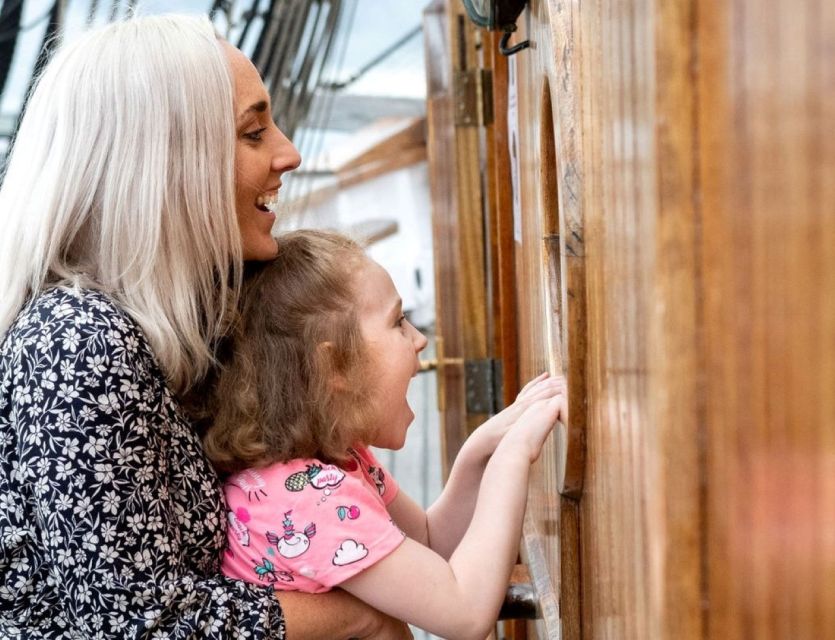
The Jeanie Johnston story sits within the larger movement of about one million Irish people who left Ireland during the famine years. Around 2,500 people made the crossing on this ship.
Those numbers are large, but the tour works best when it returns to individual lives. You hear why people left, how families found the money for passage, and what risks they accepted because remaining in Ireland could be worse. The crossing was tied to survival, not leisure or simple adventure.
Disease, starvation, and disaster were real threats on famine ships. The conditions below deck made illness especially dangerous. The tour asks you to picture the dirt, confinement, limited food, and fear that shaped daily life for passengers who had little control over the voyage.
One fact gives the Jeanie Johnston an unusual place in this story: nobody died on its 16 voyages to America. That does not make the trip comfortable or safe in a modern sense. It does show that the ship’s story cannot be reduced to a single pattern of death at sea. The guide can place this achievement beside the wider dangers faced by Irish emigrants and explain why survival on one ship did not erase the suffering of the famine.
This balance is important. You get the hard facts about poor conditions without turning the tour into a spectacle of misery. The strongest guides connect the physical ship with decisions made by real people. Steve, Claire, Eoin, Rolland, Ronan, Gearoid, and Owen have all been singled out for making the subject clear, personal, and at times lightly humorous without treating it as a joke.
Guide quality can vary from one departure to another, as it does with any live tour. Still, the repeated praise for clear explanations, good question handling, and audience involvement suggests that the spoken storytelling is a major part of the value. If you enjoy asking questions, this is a better choice than a self-guided visit.
A few more Dublin half-days to weigh up
- Dublin to Cliffs of Moher, including Wild Atlantic Way and Galway
★ 5.0 · 23,331 reviews - From Dublin: Cliffs of Moher, Burren & Galway City Day Tour
★ 4.8 · 18,888 reviews - Dublin: Guinness Storehouse Entry Ticket
★ 4.6 · 16,863 reviews - Dublin to Cliffs of Moher, Burren, Wild Atlantic Way, Galway Tour
★ 5.0 · 12,924 reviews
Why the personal stories matter
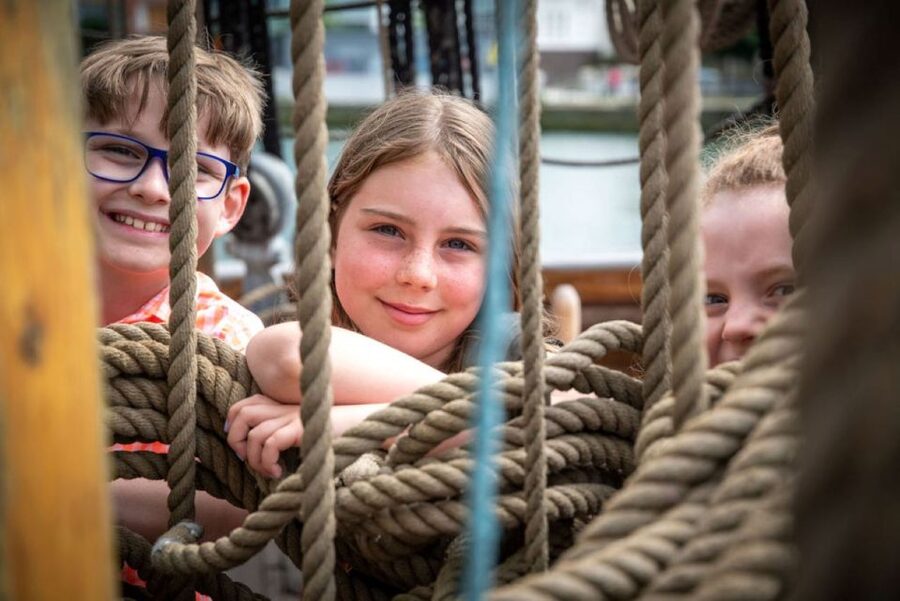
The best museum displays give you facts. A good guide helps you understand what those facts meant to a family.
On this tour, the practical details carry emotional weight. Learning what passengers ate shows how little comfort they had. Learning how they paid for passage reveals the financial strain behind the journey. Hearing how they passed the time makes the days at sea feel long and repetitive rather than neatly summarized.
You also hear about the crew. Their role adds another layer to the story because the ship was not only a space occupied by emigrants. It was a working vessel that needed people to operate it through difficult conditions.
The guide also discusses the fates awaiting passengers at their destination. This keeps the story from ending at the moment of arrival. Leaving Ireland did not mean the struggle was over. The voyage was one part of a much larger break from home, family, work, and familiar life.
I find this approach more affecting than a simple famine overview because the ship supplies a constant physical reference. When the guide explains that passengers emerged for only a short period of fresh air, you can look toward the open deck above. When the guide describes the long crossing, you can see the limited space in which those days passed.
How the tour works for families
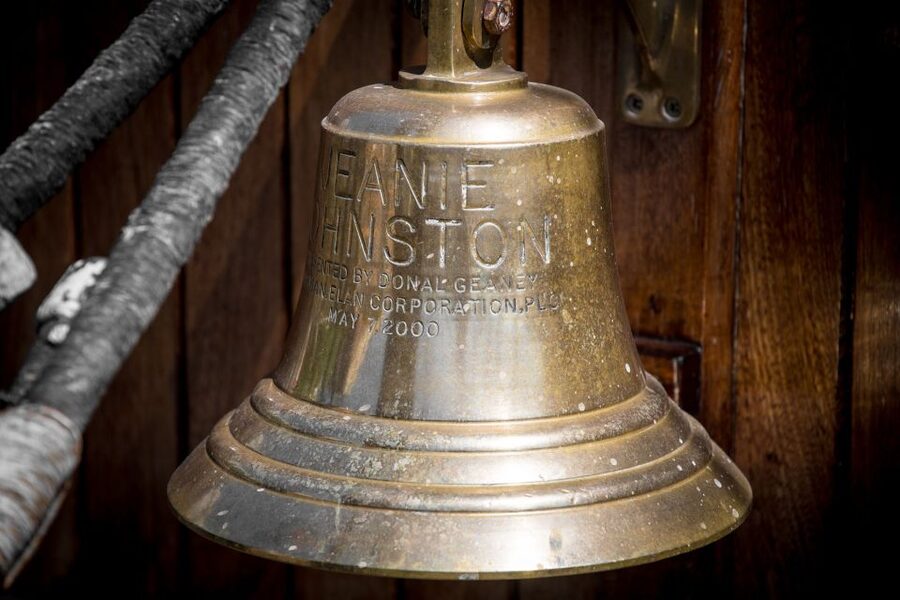
This is a serious subject, but the 50-minute duration is manageable for a family outing. It is long enough to build a clear story and short enough to avoid exhausting children who are new to Irish history.
The guides have shown they can adjust their approach. Steve has been praised for holding the attention of children from seven to 15. Katrina involved two children directly, and Catriona answered a child’s questions while helping with discomfort around the mannequins.
That does not mean every child will enjoy every moment. The cramped lower deck, famine conditions, and mannequins may be unsettling. I would explain in advance that the tour covers hunger, disease, and hardship, then let younger children ask questions at their own pace.
Older children and teenagers may get more from the experience if you connect it to migration, family history, or the choices people make during a crisis. The tour can also prompt useful conversations afterward, especially if your family has Irish ancestry.
Timing, price, and practical comfort
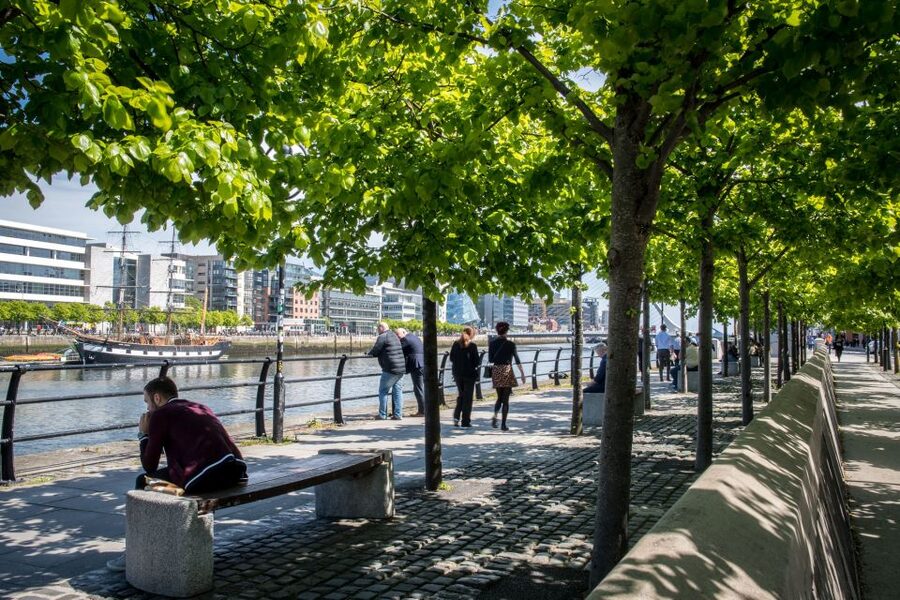
The 50-minute format is one of the tour’s strengths. You can fit it between other Dublin plans without giving up half a day. The tour ends where it begins, so you do not need to plan a separate return journey.
At $16 per person, the price is fair for a guided historic attraction in central Dublin. You receive entrance and the guided visit, not hotel transportation. I would choose this over a more expensive activity if your main interest is Irish famine history and you want a focused introduction without a long commitment.
Wear comfortable shoes. The advice is simple but important because you will move around a working-style ship, with stairs and restricted areas. The experience is not suitable for wheelchair users or people with limited mobility, and that is a firm planning point rather than a minor footnote.
The upper deck may be windy and exposed. The supplied information specifically highlights the sea air, wind, and gulls, so bring clothing suited to Dublin’s changeable waterfront conditions. The tour still runs as a ship visit, not a promise of calm weather or a sheltered viewing platform.
Cancellation is flexible up to 24 hours before the tour for a full refund. You can also reserve and pay later, which helps if you are still arranging your Dublin schedule.
Who will get the most from the Jeanie Johnston
I would recommend this tour to you if you want:
- A short, guided introduction to the Irish famine and emigration
- Personal stories rather than dates and general facts alone
- A chance to see Dublin from the water’s edge
- A family activity that can hold children’s attention
- A connection to Irish ancestry or family migration stories
- A compact visit that fits around other Docklands sights
I would be more cautious if you dislike confined spaces, have difficulty with stairs, or want a quiet self-guided visit. The tour depends on listening to an English-speaking guide, so you need to be comfortable following spoken English.
It is also not a complete study of the famine. You get the ship, the crossing, the passengers, and the migration story. For a wider treatment of the political and economic causes of the famine, you will need to add another museum, book, or guided experience.
Should you book the 50-minute Jeanie Johnston tour?
Book it if you want Dublin history you can see, touch, and physically picture. The upper deck gives you the ship’s working story, while the cramped lower deck makes the emigrants’ ordeal much easier to understand.
The strongest feature is the guiding. Names such as Steve, Claire, Owen, Eoin, Katrina, and Catriona have been associated with clear, lively storytelling, thoughtful answers, and good work with children. You cannot select your guide in advance, but the repeated strength of the guiding makes the $16 price feel worthwhile.
Skip it if mobility is a concern or if your schedule is so tight that you cannot allow time to reach Custom House Quay. For most visitors who want a direct, human account of Irish famine emigration, this is one of Dublin’s most useful short visits.
FAQ
Where does the Jeanie Johnston tour start and finish?
The tour starts at the Jeanie Johnston Tallship, City Moorings, Custom House Quay, Dublin 1. It ends back at the same meeting point.
How long does the tour last?
The guided tour lasts 50 minutes. Starting times vary, so check availability when booking.
What language is the tour in?
The live tour guide speaks English, and the activity is offered in English.
What does the tour include?
The price includes entrance and access to the guided tour of the Jeanie Johnston tall ship.
Is the tour suitable for wheelchair users?
No. The tour is not suitable for wheelchair users or people with mobility impairments.
What should I bring?
Bring comfortable shoes. The tour includes movement around the ship and below deck, where the quarters are cramped.
Just added around Dublin
- Women Of Ireland: Trailblazers & Pioneers★ 5.0 · 4 reviews
- Full Day Private Wicklow Tour★ 5.0 · 12 reviews
- Wicklow Mountains & Glendalough Luxury Private Day Tour★ 5.0 · 23 reviews
- Wicklow tour of Glendalough★ 4.5 · 8 reviews
- Whiskey Tasting Tour of Dublin★ 5.0 · 117 reviews
- Dublin To Kilkenny Castle Waterford Crystal Private Car – Day Tour★ 5.0 · 8 reviews
- Premium Irish Whiskey Tasting Hosted by Local Dublin Expert★ 5.0 · 77 reviews
- Historical Walking Tour of Dublin★ 5.0 · 50 reviews
Historical Tours, compared.
Dublin Historical Centre Food Tour with 8 Food Tastings & Drinks
Read our review →

Historical 2-Hour Guided Walking Tour of Dublin
Read our review →
Dublin to Cork, Blarney Castle & Cóbh Heritage Centre by train
Read our review →
Deliciously Dublin: The Artisan Donut Walking & History Tour
Read our review →
Browse the lists this tour appears in