Reviewed · DUBLIN TOURS
Experience Gaelic Games in Dublin
Gaelic games make more sense once you stop watching from a pub table and pick up the ball, stick, or handball. At Na Fianna GAA Club, about 10 minutes by bus from central Dublin, you learn the basics of Gaelic football, hurling, and handball, then try them on the field.
I like the strong link to Irish identity, and I like the coaches’ patient, playful approach. The small group keeps the session personal, while team games give sporty people room to compete without making beginners feel foolish.
The main consideration is simple: this is an active experience. You may sweat, miss the ball, and discover muscles that sightseeing had left unused. Flat shoes and suitable clothing matter, especially if Dublin weather turns wet.
Key points to know before you book
- Three Irish sports in one session: Learn and play Gaelic football, hurling, and Gaelic handball.
- A real local club setting: Na Fianna GAA Club gives you a connection to Irish community sport rather than a staged city-center attraction.
- Small-group coaching: The experience is limited to a maximum of 18 people, with the advertised small-group format capped at 15.
- Accessible from central Dublin: Buses 4, 9, and 155 stop directly across from the club.
- Suitable for mixed abilities: Active adults, families, older participants, and complete beginners can all take part.
- Bring the right kit: Wear flat footwear and casual clothes, or sporting clothes if you plan to get competitive.
Why Gaelic games are worth your morning
Ireland’s Gaelic Athletic Association, commonly called the GAA, is more than a sports organization. Gaelic football and hurling are tied closely to local clubs, county pride, family life, and Irish culture. You can watch a match and enjoy the speed, but the rules and skills can look puzzling at first.
This session gives you a useful way in. Instead of spending your whole morning listening to a talk, you hear a short introduction and then put the ideas into practice. You begin to understand why hurling requires such quick hands, why Gaelic football feels familiar yet different from soccer, and how handball fits into the wider group of Gaelic sports.
I especially like this kind of cultural activity because it changes what you notice later in Ireland. After trying the sports yourself, a match on television or in a pub has more shape. You can see the control, timing, and teamwork instead of simply watching a blur of bodies and sticks.
The club setting also matters. You are not being shown a polished performance by actors. You are visiting a working Gaelic club, with a field, changing rooms, coaches, and the everyday feel of a community sports center.
A few more Dublin half-days to weigh up
- Dublin to Cliffs of Moher, including Wild Atlantic Way and Galway
★ 5.0 · 23,331 reviews - From Dublin: Cliffs of Moher, Burren & Galway City Day Tour
★ 4.8 · 18,888 reviews - Dublin: Guinness Storehouse Entry Ticket
★ 4.6 · 16,863 reviews
Getting to Na Fianna from central Dublin
The meeting point is 107 St Mobhi Road, Botanic, Dublin 9, at CLG Na Fianna Gaelic club. The session begins at about 10am, so plan to arrive a little early for finding the entrance and getting ready.
You do not need to drive or arrange a taxi. Bus routes 4 and 9 stop directly across the street from the club, and route 155 also serves the location. From central Dublin, the ride takes about 10 minutes, making this an easy morning outing rather than a major transport project.
The activity does not include transportation, so you pay for your own bus fare or taxi. Still, the short ride keeps the total cost and effort reasonable. Check your route before leaving, and allow enough time to avoid arriving breathless before the warm-up.
The end point is the same as the start. That makes it easy to continue your Dublin day afterward, perhaps with lunch or a visit to another part of the city.
Starting with the story behind the sports
The first part of the session is an introduction to Gaelic games and their place in Irish life. You learn about the history of the sports, the basic differences between them, and why local clubs matter throughout Ireland.
This opening is short enough to hold the attention of children and active adults, but it gives the field activities some meaning. You are not simply handed unfamiliar equipment and told to copy a drill. You first get a sense of what you are trying to learn.
The coaching team has included instructors such as Adam, Darren, Elyse, Kyle, Georgina, and Tiernan. The exact coach on your date may differ, but the session depends heavily on direct instruction and good humor. That is useful if you arrive with no idea how to hold a hurley or catch a Gaelic football.
You should expect a relaxed tone rather than a formal sports lesson. The aim is participation, not technical perfection. A family with mixed ages can work together, while people who already play soccer, lacrosse, volleyball, or other sports can usually pick up the movement quickly.
Trying Gaelic football on the field
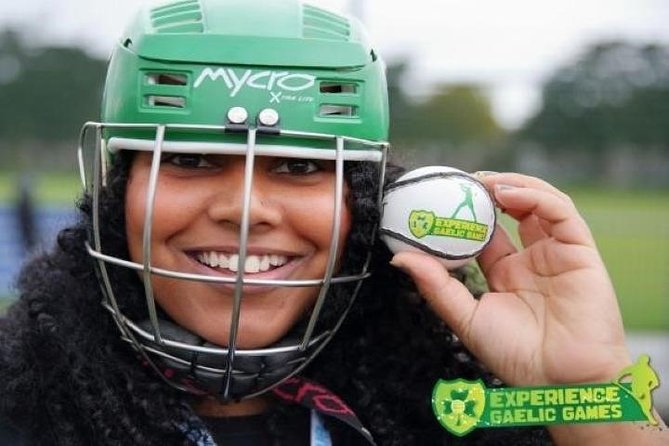
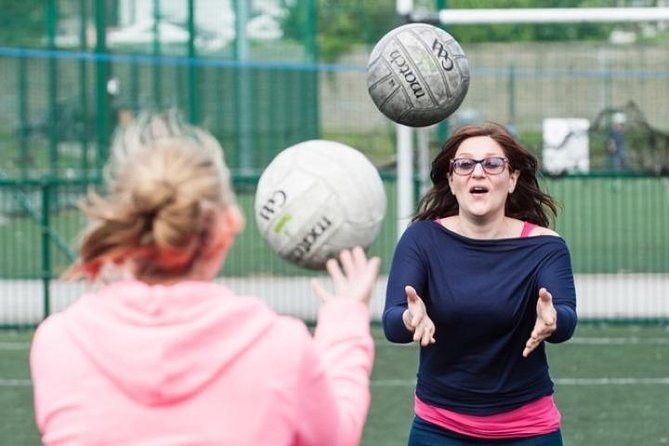
Gaelic football shares some features with soccer, basketball, and rugby, but it is its own sport. You use a round ball, may kick or hand-pass it, and combine running with ball control in ways that make the game fast and distinctive.
The field portion begins with simple practice. You get a chance to handle the ball, work on passing, and take part in team-building activities before moving toward a game. The coaches adjust the pace so beginners can follow along.
This is where the activity becomes more than a history lesson. You feel how much coordination is needed to receive the ball cleanly, make a useful pass, and keep track of teammates at the same time. Even people who play other sports may find the timing unfamiliar at first.
Depending on the group, you may take part in mini-matches. They are designed for fun, but they still give you a reason to use the skills from the drills. If you are competitive, you can push yourself. If you are not, the structure allows you to stay involved without having to perform at a high level.
Same corner of Ireland, a completely different day out:
- Dublin to Cliffs of Moher, Burren, Wild Atlantic Way, Galway Tour
★ 5.0 · 12,924 reviews - Dublin to Belfast Black Cab, Dunluce Castle and Giant’s Causeway
★ 5.0 · 7,954 reviews - Kilkenny, Wicklow Mountains & Glendalough Day Tour from Dublin
★ 5.0 · 7,897 reviews - From Dublin: Wicklow Mountains, Glendalough & Kilkenny Tour
★ 4.8 · 6,235 reviews
Learning hurling, Ireland’s fast stick sport
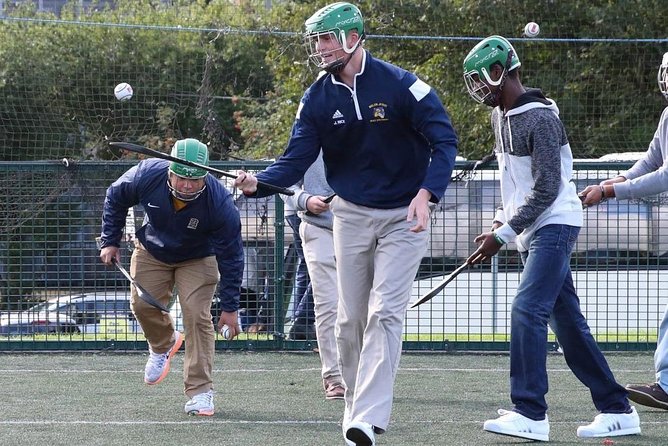
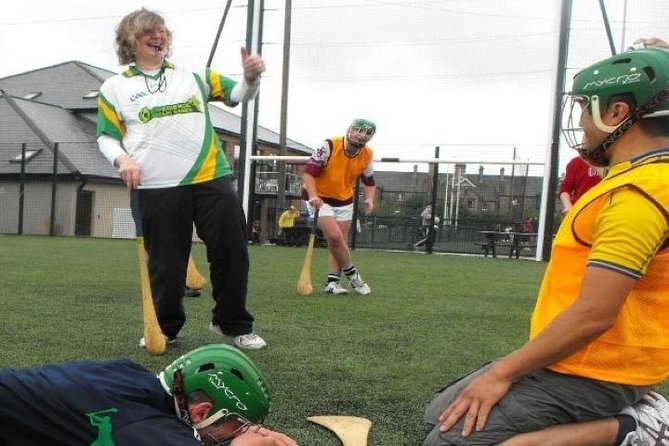
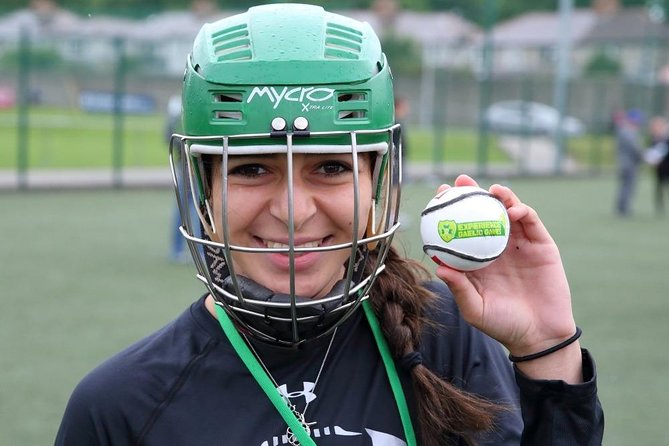
Hurling is often the sport that looks most mysterious to someone seeing it for the first time. Players use a wooden stick called a hurley to control a small ball called a sliotar. The speed is impressive, but the basic movements can be taught in a friendly way.
At Na Fianna, you work through introductory exercises before joining a group activity. You learn how to handle the stick and make contact with the ball, with the coach correcting your grip and movement as needed.
Do not expect to become a polished hurler in one morning. The point is to understand the challenge. A clean strike feels satisfying, while a missed one gives everyone a reason to laugh and try again. The coaching style is patient, which helps if hand-eye coordination is not your strong point.
Hurling also provides one of the clearest connections between the activity and Irish sporting culture. Once you have tried to control a sliotar yourself, you will appreciate how much skill is packed into a live match. The session gives you a practical respect for the sport without requiring you to study every rule first.
Wear flat, secure shoes. You need stable footing for the drills, and ordinary fashion footwear is a poor match for an outdoor field. If you plan to get competitive, bring proper sporting clothes.
Getting a feel for Gaelic handball
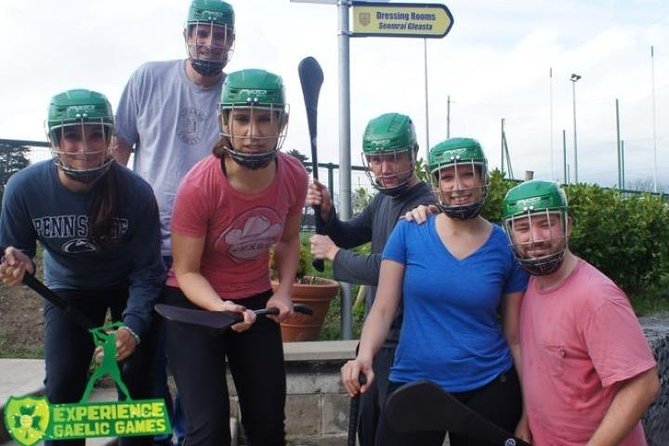
Gaelic handball is the least familiar of the three sports for many people. The activity introduces you to another part of Irish sporting tradition and gives your hands and reactions a different kind of test.
The handball portion forms part of the same outdoor coaching session. You learn the basic idea, practice the necessary movements, and then use them in group activities. The change from football to hurling to handball keeps the three-hour program moving.
For families, this variety is a real advantage. A child who finds one sport awkward may enjoy another. An adult who does not want a full-contact or highly competitive experience can still take part in a skill-based activity.
The session is not built around choosing your favorite sport and ignoring the others. You get an introduction to all three, which gives you a better picture of Gaelic games as a group.
The coaching makes the difference
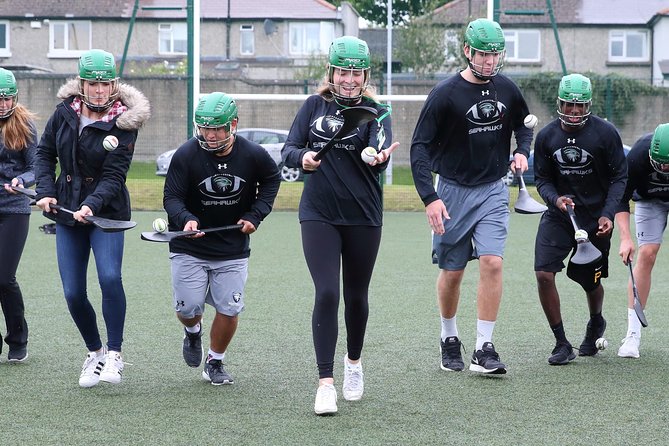
The best feature here is the coaching. Names may vary by date, but instructors including Adam, Darren, Elyse, Kyle, Georgina, and Tiernan have led sessions with a mix of clear instruction, patience, and encouragement.
That matters because first attempts can be clumsy. One participant may be an experienced athlete, while another may be in their late 40s, carrying extra weight, or returning to team sports after decades away. Another may be a fit older adult in their 60s or 70s. The format needs to handle all of them without turning the morning into either a boot camp or a slow lecture.
The coaching approach appears to do that well. You get a chance to improve, but you are not pushed into a serious contest. The mini-matches create energy, while the instructors keep the tone friendly.
For children, this makes the activity less intimidating. For parents, it means you can join rather than simply watch. For sporty adults, it provides enough movement and competition to keep the morning interesting.
Group size, pace, and physical effort
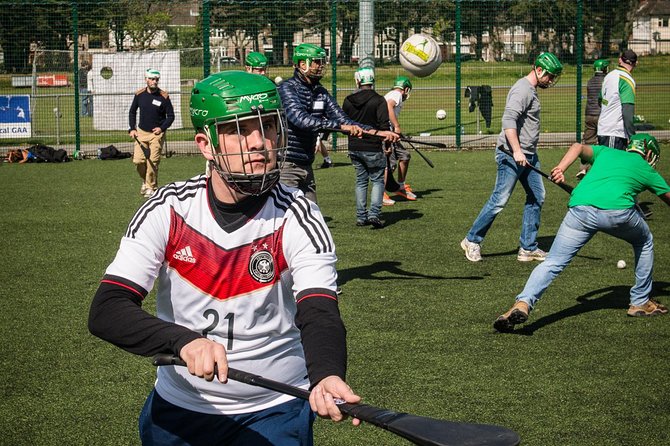
The maximum group size is 18 people, with the small-group experience described as limited to 15. That is a good size for field instruction. You are likely to get more turns than you would in a large class, and the coach can see when someone needs another explanation.
The session lasts about three hours. That includes the introduction, practice exercises, team-building, and possible mini-matches. It is long enough to learn the basics without taking over your entire day in Dublin.
Expect real physical activity, even though the session welcomes all ages and skill levels. You may sweat, particularly during the games and free-play portion. The experience is not described as strenuous training, but it is more active than a walking tour.
Dress for the weather because the activity operates in all conditions. Casual clothing works well, though sporting attire is better if you intend to compete. Flat footwear is required for the field.
Showers and dressing rooms are available at the club. Bring your own towel and toiletries if you want to use them. Water, tea, and coffee are available, which is a useful touch after outdoor activity.
What the $59.26 price buys you
At $59.26 per person, this is not the cheapest way to fill a morning in Dublin. You are also responsible for getting to the club, so include local transportation in your budget.
The value comes from the combination of instruction, cultural background, equipment and activities, and three hours of access to a local Gaelic club. You are not paying only for a short demonstration. You receive a structured introduction to three sports and time to practice each one.
I think the price makes the most sense for families and small groups who want an activity everyone can share. It also works well for a repeat Dublin visitor who has already seen the main sights and wants something connected to local life.
If you only want a brief look at Gaelic sports, the cost may feel high. You could watch a match for less, if one is being played during your visit. Watching, however, will not teach you how difficult it is to strike a sliotar or make a clean hand-pass.
The booking pattern suggests that people often reserve around 38 days ahead. If your Dublin dates are fixed, booking early is sensible, particularly for a family or a group that needs a specific morning.
Who will enjoy this experience most
I would recommend this to families with children, couples who enjoy active outings, and adults who want a break from museums and churches. It suits people who like learning by doing.
You do not need to be athletic. The activity welcomes all ages and abilities, and the coaching is intended to help beginners take part. Still, you should be comfortable with basic physical movement and outdoor conditions.
It is also a good choice for people with an Irish family connection. You learn about the role of sport in Irish identity in a way that feels personal and practical, not abstract.
Older adults can take part if they are active and comfortable with the physical demands. The session is not designed only for young athletes, but you should be honest about your own fitness and any injuries before booking.
You might skip it if you strongly dislike group activities, outdoor exercise, or playful competition. This is not a passive cultural talk. You will be expected to handle equipment, move around, and join in.
Practical details that make the morning easier
The activity is offered in English, and you receive confirmation at booking. It includes all activities plus taxes, fees, and handling charges.
Arrive shortly before the 10am start. Bring flat shoes, suitable clothing, and weather protection. If you want to use the showers, pack your own towel and toiletries.
The group may include people with very different fitness levels. Go in with a good attitude, and do not judge the morning by how many goals you score. The humor comes partly from trying unfamiliar movements together.
Sessions require a minimum number of bookings. If that number is not reached for your selected time, the provider may contact you about changing the date or time, or offer a full refund.
Free cancellation is available if you cancel at least 24 hours before the start time. Changes or cancellations inside that window are not accepted for a refund.
Should you book Experience Gaelic Games?
Book it if you want to understand Irish sport from the inside, even just a little. The mix of local club setting, history, patient coaching, and hands-on practice gives you something a standard sightseeing tour cannot.
I especially recommend it for families with adult children, mixed-age groups, and anyone who has watched Gaelic football or hurling and wondered what was happening. You will leave with a better sense of the rules, the skills, and the pride attached to these games.
Think twice if you want a quiet morning or have no interest in physical activity. Otherwise, allow for sweat, missed passes, and plenty of laughs. At $59.26, the experience earns its price best when you take part fully rather than standing at the edge of the field.
FAQ
Where does Experience Gaelic Games take place?
The session takes place at CLG Na Fianna Gaelic club, 107 St Mobhi Road, Botanic, Dublin 9, D09 K4K0, Ireland.
How long does the experience last?
The activity lasts approximately three hours.
What time does the session start?
The session described begins at 10am. You should arrive a little before the start time.
How do I get to Na Fianna by public transportation?
Buses 4, 9, and 155 stop directly across the road from the club. The club is about a 10-minute bus ride from Dublin city center.
Which Gaelic sports will I play?
You will learn about and practice Gaelic football, hurling, and Gaelic handball.
Do I need previous sports experience?
No. All ages and skill levels are welcome, and the activities include instruction and team-building before possible mini-matches.
What should I wear and bring?
Wear casual clothing and flat footwear. Bring sporting clothes if you expect to compete. For the changing rooms and showers, bring your own towel and toiletries.
Can I cancel for a full refund?
Yes. You can cancel at least 24 hours before the local start time for a full refund. Cancellations or changes made less than 24 hours before the start time are not accepted.
Just added around Dublin
- Women Of Ireland: Trailblazers & Pioneers★ 5.0 · 4 reviews
- Full Day Private Wicklow Tour★ 5.0 · 12 reviews
- Wicklow Mountains & Glendalough Luxury Private Day Tour★ 5.0 · 23 reviews
- Wicklow tour of Glendalough★ 4.5 · 8 reviews
- Premium Irish Whiskey Tasting Hosted by Local Dublin Expert★ 5.0 · 77 reviews
- Whiskey Tasting Tour of Dublin★ 5.0 · 117 reviews
- Dublin To Kilkenny Castle Waterford Crystal Private Car – Day Tour★ 5.0 · 8 reviews
- Historical Walking Tour of Dublin★ 5.0 · 50 reviews
Dublin Tours, compared.
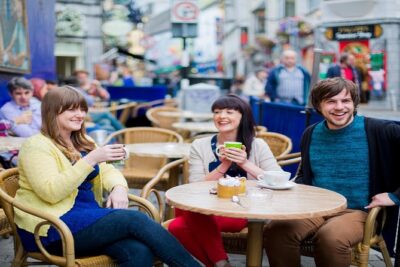
Dublin to Cliffs of Moher, including Wild Atlantic Way and Galway
Read our review →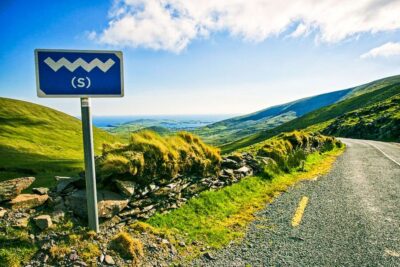
Cliffs of Moher, Burren & Galway City Day Tour
Read our review →

Dublin to Cliffs of Moher, Burren, Wild Atlantic Way, Galway Tour
Read our review →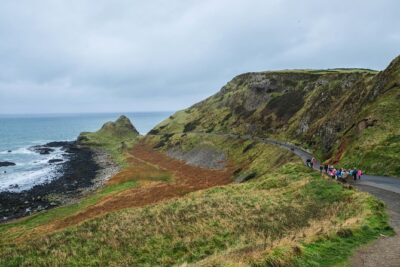
Dublin to Belfast Black Cab, Dunluce Castle and Giant’s Causeway
Read our review →
Kilkenny, Wicklow Mountains & Glendalough Day Tour from Dublin
Read our review →
Wicklow Mountains, Glendalough & Kilkenny Tour
Read our review →