
Reviewed · WILD ATLANTIC WAY TOURS
From Dublin: 3-Day Dingle, Killarney & the Wild Atlantic Way
The best part of this three-day tour is the way it links Ireland’s sacred ruins, Atlantic coast, mountain roads, and small towns without making you change hotels every night. You move from the quiet valley of Glendalough to the wind-battered Dingle Peninsula, then finish among medieval stonework at the Rock of Cashel.
I like the 16-seat mini-coach, which keeps the group small enough for a more personal guide, and I like that two nights are spent in Dingle rather than rushing through it with a single overnight stop. The main drawback is the pace: you cover a lot of ground, and meals, admission fees, and possibly a 20 to 30-minute walk from your B&B into town are not included.
Key points to know before booking
- Glendalough begins the trip quietly, with lakes, a monastic settlement, and free time to explore at your own speed.
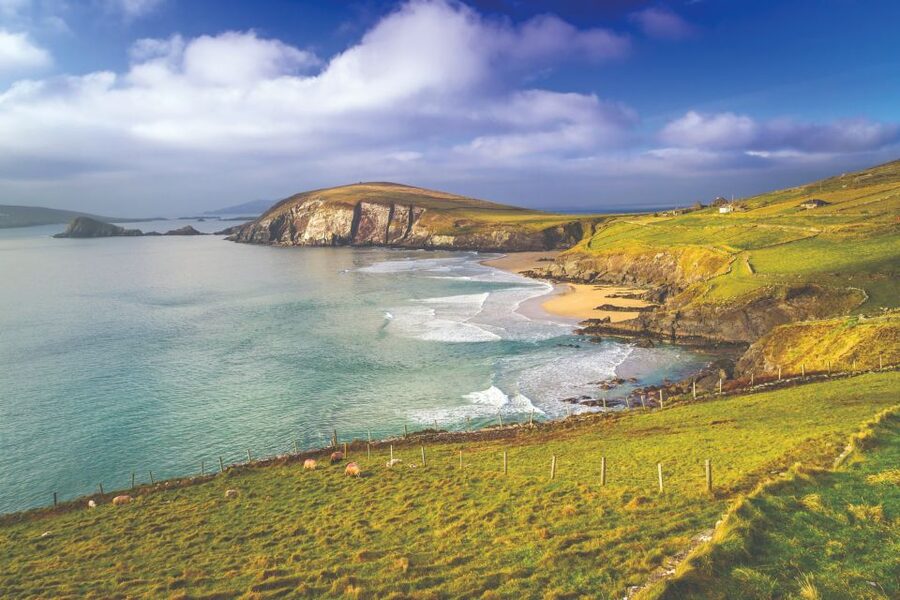
- Dingle gets a full day, including Conor Pass, Slea Head, Gallarus Oratory, Beehive Huts, and the Gaeltacht.
- Two nights in one Dingle B&B make the middle of the tour less hurried than a one-night coastal stop.
- The 16-seat Mercedes mini-coach offers a smaller group than a large sightseeing bus, though luggage space is limited.
- Torc Waterfall and Killarney provide a change from the coast before the final visit to the Rock of Cashel.
- Guide quality matters here, and Tom is one named guide praised for making the trip feel personal, informative, and safe in rough weather.
Why this route works so well from Dublin
Ireland is compact on a map, but roads through the west can be slow. This tour handles that problem by joining several major sights into one route, leaving you free to watch the countryside instead of navigating, parking, and checking the clock.
You start at 6 Nassau Street, opposite the Kilkenny Shop in Dublin 2. The tour returns to the same meeting point at about 7:00 PM on the third day. That final arrival time matters if you are booking a Dublin dinner, airport transfer, or evening train, so leave yourself some breathing room.
The group is limited to 16 people and travels in a Mercedes mini-coach. You will not have the room of a full-size coach, but the smaller vehicle suits narrow roads and gives the guide a better chance to speak with people directly. On a route with plenty of driving, that personal contact is a real part of the experience.
The price is $684 per person. That includes transport, an English-speaking driver-guide, two nights in an en-suite B&B or guesthouse, and breakfast each morning. It does not include lunch, dinner, drinks, or admission fees. I see the price as reasonable if you value convenience and guided transport, but less attractive if you already have a rental car, prefer to choose your own overnight stops, or want a slower visit to each ruin.
More of the Wild Atlantic Way:
- Dublin to Cliffs of Moher, including Wild Atlantic Way and Galway
★ 5.0 · 23,331 reviews - Dublin to Cliffs of Moher, Burren, Wild Atlantic Way, Galway Tour
★ 5.0 · 12,924 reviews - Cliffs of Moher Day Tour from Dublin: Including The Wild Atlantic Way
★ 4.5 · 1,195 reviews
Day one: Glendalough, Dunamase, and Adare
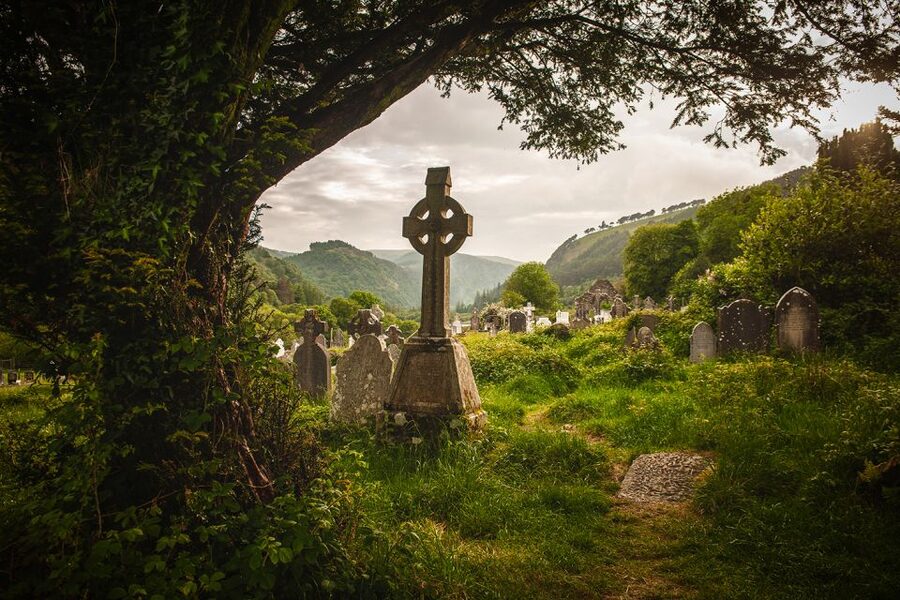
The first morning takes you south from Dublin through the Wicklow Mountains to Glendalough. The name means valley of two lakes, and the setting explains why an early Christian monastic community took root here. The site sits in a peaceful valley surrounded by hills, with water, stone ruins, and open paths giving it a calm feel that is very different from Dublin.
You have free time at Glendalough. That is useful because you can choose how to spend it. Walk around the monastic ruins, look at the lakes, or visit the visitor center to understand the site before exploring. The remains include the familiar stone buildings and a round tower, though the precise amount of time available can vary with the day’s road conditions and group schedule.
Glendalough rewards an unhurried eye. The place is not just a collection of old walls. Its power comes from the setting, where the ruins appear within a quiet mountain valley rather than behind a city fence. Wear shoes suitable for uneven paths, and bring a rain layer. Irish weather can change quickly, and the tour runs in strong wind and wet conditions as well as sunshine.
After Glendalough, the coach continues west toward Kilcullen for a lunch break. Lunch is not included, so you should budget for it. A market town stop also gives you a chance to buy snacks and drinks for the coach, which is wise because the following days include long stretches between major stops.
The next stop is the Rock of Dunamase, home to the ruins of Dunamase Castle in County Laois. This is an atmospheric pause on the route, with broken stone walls set above the surrounding plain. You will have time to look over the site and consider its defensive position. It is not as polished or formal as some major Irish attractions, which is part of its appeal, but you should not expect a large visitor complex or a long guided presentation.
Adare follows. It is known for its thatched cottages and old buildings, and it gives you a pleasant change from mountain ruins and open stonework. You can admire the cottages, walk through the village, and see the remains of a 15th-century Franciscan monastery.
Adare is one of the more picture-friendly stops on the route, but it is also brief compared with a full town visit. Think of it as a chance to stretch your legs and absorb a traditional village scene, not as a place where you will have hours for shopping or detailed sightseeing.
By evening, you reach Dingle in County Kerry. This is an important design choice in the itinerary. Instead of seeing the peninsula and immediately moving on, you stay in the town for two nights. That gives you a fixed base for the next day and avoids packing up every morning.
Staying in Dingle for two nights
Your accommodation is in a small, locally owned B&B or guesthouse, with an en-suite room and breakfast included. The exact property is selected from a group of accommodations, so the standard and location may vary. Some B&Bs are on the outskirts of town, and you should be prepared for a 20 to 30-minute walk to pubs and restaurants.
That walk can be a minor nuisance after a full day on the road, especially in rain. It can also be part of the charm, giving you a little time away from the coach and a chance to see Dingle at a relaxed pace. If stairs are difficult for you, mention it before booking, since these properties do not have lifts.
Dingle is a strong base because it has a clear Irish identity and sits close to the peninsula’s main coastal sights. You are staying in an area where Irish remains the principal local language in the Gaeltacht. You will not simply be ticking off viewpoints. The route gives you some contact with the cultural character that makes western Ireland different from a standard city tour.
Day two: the Dingle Peninsula and the Atlantic edge
Day two is the heart of the trip. The Dingle Peninsula is known for dramatic sea views, beaches, stone structures, narrow roads, and communities where Irish still plays a central role. The guide handles the driving while you look outward, which is especially helpful on a route where weather and road conditions can demand full attention.
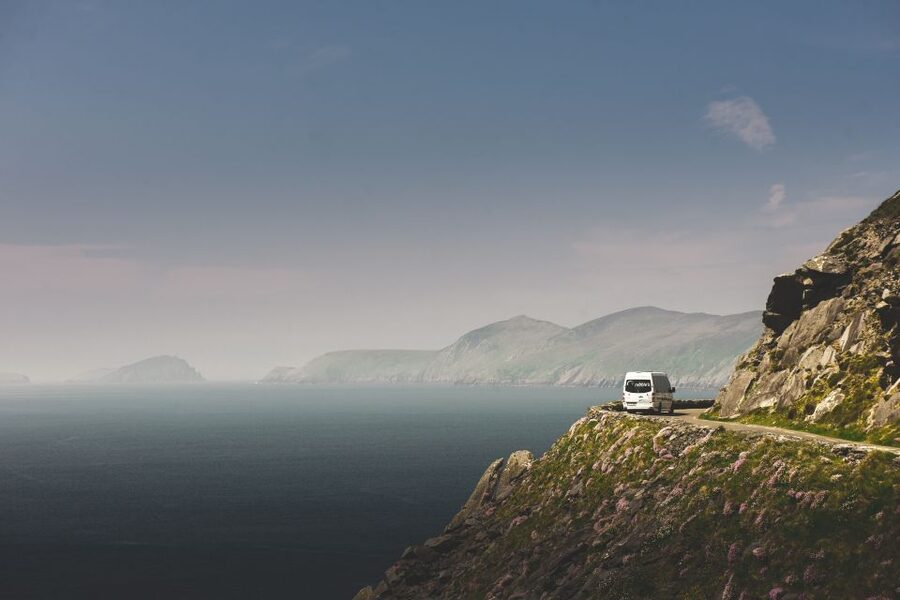
Conor Pass is one of the major scenic points. The road climbs through mountain country, and the views help explain the peninsula’s reputation. On a clear day, you can expect broad views across the surrounding area. In mist or rain, the mood changes completely, and the mountains can feel close and severe. That uncertainty is part of the west coast experience, but it also means the exact views cannot be guaranteed.
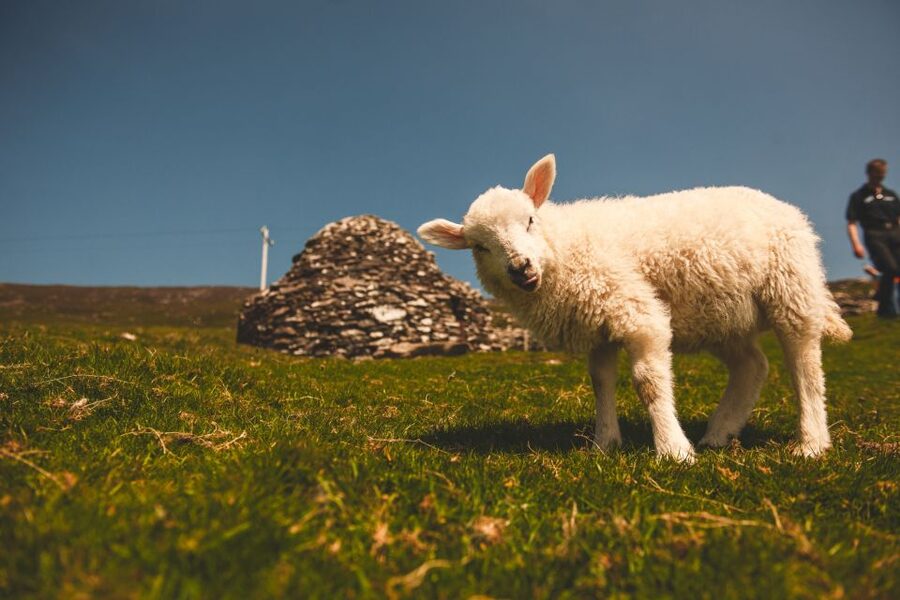
Tóchar Maothaithe is another stop connected with the peninsula’s old stone and religious remains. The Beehive Huts show how early communities built dry-stone shelters by carefully stacking stones without mortar. Their simple shape and tight construction are impressive, especially when you consider the work required to make a durable building from local stone.
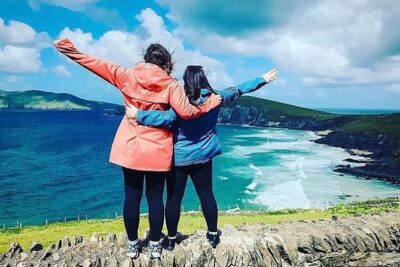
Slea Head is the scenic centerpiece for many people. Here, the road runs through one of the most striking sections of the peninsula, with the Atlantic close by and beaches and headlands appearing between bends. You may want a camera, but keep your attention on the weather and footing. Coastal wind can be strong, and a viewpoint that feels gentle in sunshine can be much rougher in bad weather.
Gallarus Oratory is another important stop. This small stone structure is famous for its boat-shaped form and careful construction. The visit is not about a large interior or a long tour. It is about noticing how the building was made and placing it within the wider story of the peninsula’s early Christian sites.
The route also includes glorious beaches, with the meeting of sand, sea, and open Irish scenery providing a useful pause between archaeological sites. You get variety throughout the day: mountain roads, shorelines, small stone buildings, and Irish-speaking communities rather than one repeated type of attraction.
The guide makes a difference on this day. Tom is one named guide associated with the tour, and his strengths include storytelling, local detail, accommodating different needs, and careful driving. That last point is not a minor concern on the Dingle Peninsula. Strong winds and flooding can affect the road experience, so a calm driver who knows the route is valuable.
The main tradeoff is that you are following a set circuit. You cannot linger indefinitely at a beach or decide to skip a site for a long café break. If you want a deep, slow study of every archaeological stop, rent a car and spend several nights in Dingle. If you want the key sights explained and connected in one day, the guided format works well.
A few more Killarney half-days to weigh up
- Guided Climb of Carrauntoohil with KerryClimbing.ie
★ 5.0 · 1,114 reviews - Lakes of Killarney: Boat Cruise
★ 4.7 · 778 reviews - NO 1 Ring of Kerry Tour inc Killarney Lakes & National Park
★ 4.5 · 620 reviews - Full-Day Ring of Kerry Tour from Killarney
★ 4.5 · 616 reviews
Day three: Inch Beach, Torc Waterfall, and Killarney
Before leaving the peninsula, the coach stops at Inch Beach. The beach gives you a final look at the Atlantic and a view toward the Kerry Mountains, which become the focus of the day. This transition is one of the tour’s nice touches: you see the next part of the route from the previous one before setting off.
The route continues toward Killarney National Park, with several lakes along the way. The park section includes a short walk to Torc Waterfall, a 20-meter cascade that drops from the mountain area. The walk is short rather than a major hike, but you still need sensible footwear, especially after rain.
The waterfall is tied to an old curse story, which gives the stop a bit of folklore along with the scenery. The visit is brief, but it breaks up the drive and lets you move your legs after time in the mini-coach. It also gives you a different kind of Irish view: wooded paths and falling water instead of exposed Atlantic shore.
You then stop for lunch in Killarney. Meals are not included, so this is another point where you will pay directly. Killarney is a lively lakeside town and a practical place to eat, use facilities, and get a feel for one of County Kerry’s best-known centers.
Killarney can feel busier than the remote parts of Dingle Peninsula. That contrast is useful, though. You see both the popular gateway town and the quieter rural areas beyond it. If you hope for a long independent visit in Killarney, keep expectations in check, since the town is one stop within a larger return journey.
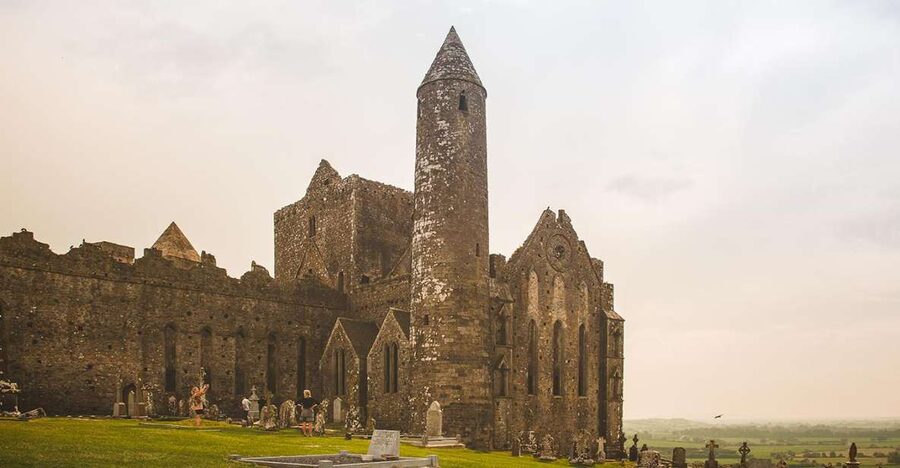
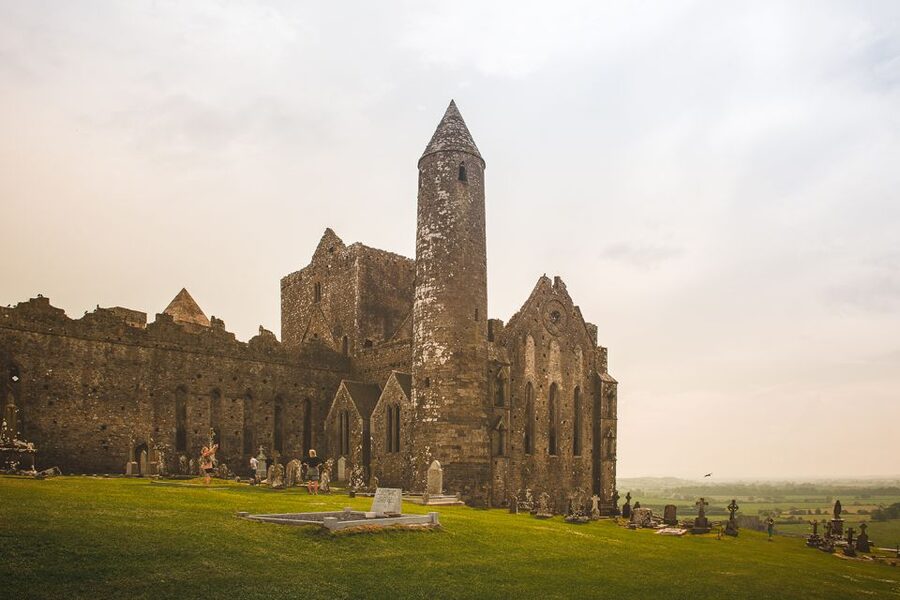
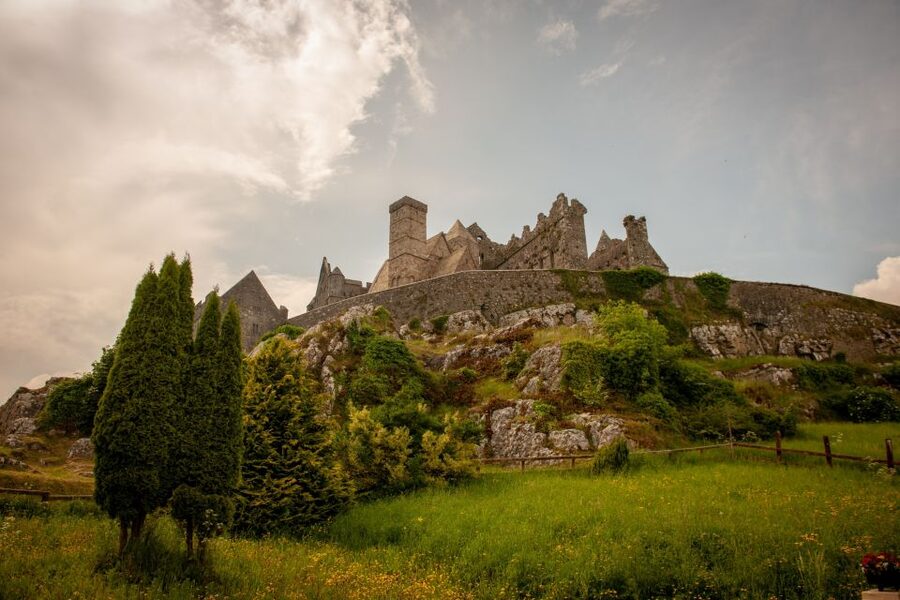
The final major stop is the Rock of Cashel. This spectacular group of medieval buildings sits on a limestone outcrop and carries the trip back from Atlantic scenery to Ireland’s political and religious past. You have time to see the round tower, High Cross, and Gothic cathedral.
Cashel is a strong closing sight because it has visual impact from a distance and plenty to examine up close. The ruined cathedral and high stonework make it feel substantial after the smaller sites on the Dingle Peninsula. Admission fees are not included, so check the current cost when planning your budget.
After Cashel, the coach returns to Dublin. The drive gives you time to think back over the trip, though it is also the point when fatigue may set in. The expected return is around 7:00 PM, so avoid arranging anything time-sensitive immediately afterward.
What the $684 price really covers
At $684, this is not a bargain-basement bus tour. You are paying for three days of transport, a driver-guide, two nights of accommodation, and breakfast, along with a route that would require careful planning and a fair amount of driving if done independently.
The strongest value comes from the guide and the logistics. You do not need to plan the sequence of Glendalough, Dunamase, Adare, Dingle, Killarney, and Cashel, and you avoid driving unfamiliar roads in rain or strong wind. A good guide adds stories and context while keeping the day moving.
Still, build extra money into the budget for lunches, dinners, refreshments, and admission fees. You should also be comfortable with basic B&B accommodation rather than expecting a full-service hotel. The small properties can feel personal and local, but room style and exact location may vary.
Who will enjoy this three-day Ireland tour?
I would recommend it most strongly to you if this is your first visit to western Ireland and you want to see several major areas without renting a car. It also suits solo visitors and couples who like meeting a small group, hearing local stories, and letting someone else handle the roads.
Families can join as long as children are at least five years old. The long drives and compact vehicle may test younger children, so think honestly about how they handle travel days. There is no stated upper age limit, but walks, uneven ground, stairs, and changing weather should be part of your decision.
You should think twice if you need a lift-equipped hotel, have difficulty with stairs, want guaranteed coastal sunshine, or prefer choosing your own meal and sightseeing schedule. The itinerary is full, and the B&B may require a walk into town.
Pack one piece of luggage weighing no more than 14 kilograms, roughly the size of an airline carry-on, plus a small personal bag. That limit is strict enough to affect your packing, especially if you need rain gear, walking shoes, and warm layers.
Should you book this tour?
Book it if you want a well-planned first look at Ireland’s southwest, with a full day on Dingle Peninsula and two nights in a local B&B. The route has real variety, the small group keeps it more personal, and a strong guide such as Tom can add the stories and calm driving that make a road tour worthwhile.
Skip it if you want a slow holiday based in one place or if the extra costs for meals and entry fees push the price beyond your comfort level. For most visitors without a car, though, this is a practical way to reach Glendalough, Dingle, Killarney, and Cashel in three memorable days.
FAQ
Where does the tour start and finish?
The tour starts opposite the Kilkenny Shop at 6 Nassau Street, Dublin 2. It ends back at the same meeting point.
How long is the tour?
The experience lasts three days and includes two nights in Dingle. The coach is expected to return to Dublin at about 7:00 PM on day three.
What type of transportation is used?
You travel in a 16-seat Mercedes mini-coach with an English-speaking driver-guide.
What accommodation is included?
Two nights in an en-suite room at a small, locally owned B&B or guesthouse are included, along with breakfast. The exact property may vary, and some are a 20 to 30-minute walk from town facilities.
Are meals and admission fees included?
No. Meals, refreshments, and admission fees are not included in the tour price.
How much luggage can I bring?
You may bring a maximum of 14 kilograms, or 31 pounds, per person. This should be one airline carry-on-sized piece, about 55 by 45 by 25 centimeters, plus a small onboard personal bag.
Can children join the tour?
Children aged five and older can participate. Children under five are not permitted.
More 3-Day Experiences in Killarney
- 3-Day Blarney Castle, Ring of Kerry, & Cliffs of Moher Rail tour
★ 4.5 · 211 reviews - 3-Day Southern Ireland Tour Including Galway and Kerry from Dublin
★ 4.5 · 123 reviews - From Dublin: Galway and Kerry 3-Day Budget Tour
★ 4.3 · 66 reviews - 3-Day Northern Ireland Tour from Dublin: Giant’s Causeway & Titanic Experience
★ 3.5 · 20 reviews
Just added around Killarney
- Skellig Michael: Skellig Sightseeing Cruise with AquaTerra★ 5.0 · 17 reviews
- Ring of Kerry & Kerry Cliffs: Private Tour from Killarney★ 4.9 · 7 reviews
- Killarney: Views & Brews Jaunting in Killarney National Park★ 4.5 · 8 reviews
- Killarney National Park Tour★ 5.0 · 10 reviews
- Killarney: The Ring of the Reeks – Backroads Rural Tour★ 5.0 · 4 reviews
- Killarney Jaunting Car Tour★ 5.0 · 5 reviews
- Killarney: Jaunting Car Tour with Afternoon Tea★ 4.6 · 13 reviews
- Killarney: Lakes of Killarney Boat Tour with Transfer★ 4.8 · 8 reviews
Wild Atlantic Way Tours, compared.

Dublin to Cliffs of Moher, including Wild Atlantic Way and Galway
Read our review →
Dublin to Cliffs of Moher, Burren, Wild Atlantic Way, Galway Tour
Read our review →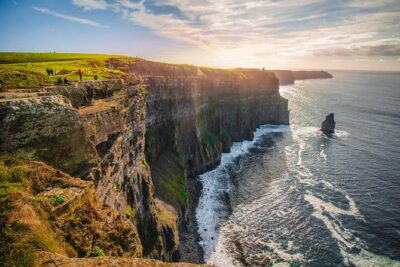
Cliffs of Moher Day Tour from Dublin: Including The Wild Atlantic Way
Read our review →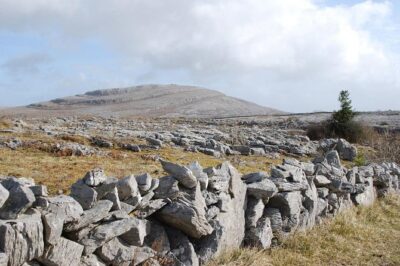
Cliffs of Moher Day Tour from Cork: Including Wild Atlantic Way
Read our review →
Cliffs of Moher Day Tour from Limerick: Wild Atlantic Way
Read our review →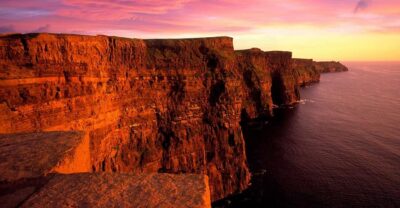
Dingle Peninsula Day Tour from Cork: Including The Wild Altanic Way
Read our review →
Browse the lists this tour appears in