
Reviewed · WORKSHOPS
Irish Baking Class: Granny’s Apple Cake, Traditional Scones
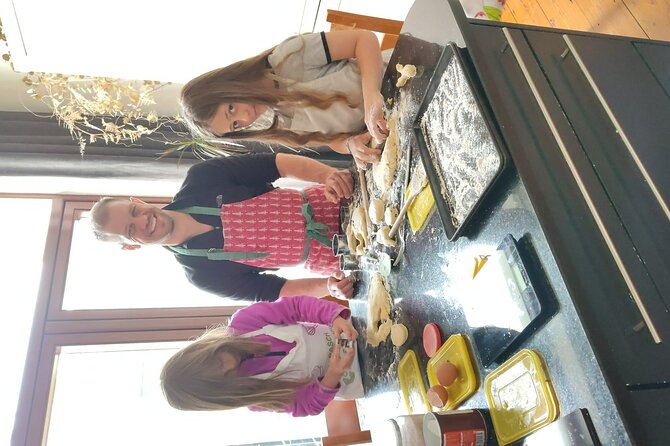
The best part of this Dublin experience is that you do not bake in a school kitchen or a busy restaurant. You enter Emily Lavelle’s Victorian home for tea, conversation, and a hands-on lesson built around Irish family recipes. Choose traditional scones or Granny’s apple cake, then sit down to eat what you made.
I like the small group size, capped at six, and the way the class brings Irish life into the kitchen rather than treating baking as a stand-alone task. I also like that you leave with recipes and can take home extra baking. The main consideration is the price: at $102.41 per person for about 90 minutes, this is best viewed as a personal food and culture visit, not simply a cheap cooking lesson.
Key points to know before booking
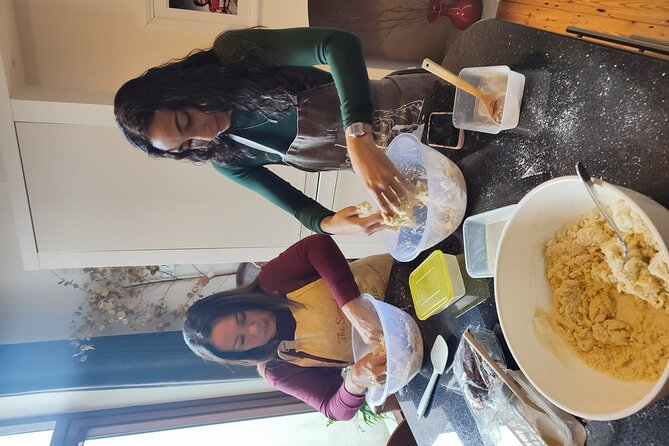
- Emily Lavelle hosts in her own Victorian Dublin home, giving the class a personal, home-based feel.
- You choose one bake, either traditional Irish scones or Granny’s apple cake.
- Tea or coffee comes first, followed by conversation about Irish food, family customs, and daily life.
- The group is limited to six people, so the class should feel more like a visit than a large workshop.
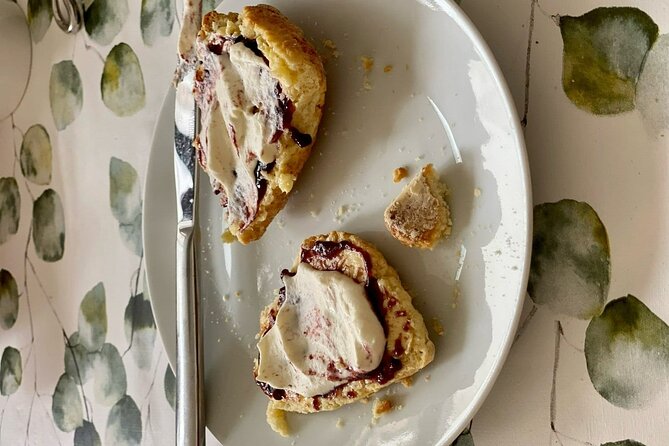
- You eat the warm result, with cream, butter, and jam for scones or fresh cream with apple cake.
- Recipes are sent afterward, and dietary needs can be handled if you explain them ahead of time.
A baking class that feels like a Dublin visit
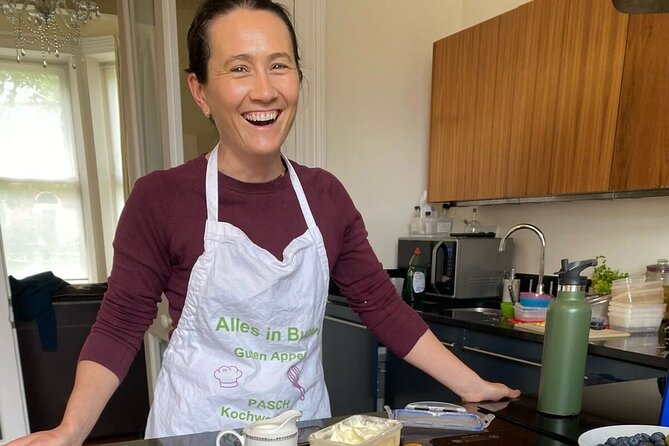
Many cooking classes give you a recipe, a work surface, and a clock. This one puts the host at the center. Emily Lavelle welcomes you into her home on Morehampton Road, in the Donnybrook area of Dublin, and uses baking as a way to talk about Irish food and culture.
That setting matters. You are not only learning how to mix flour, butter, sugar, or apples. You are hearing about the place those foods hold in Irish homes. Emily also works as a diet and wellness coach, so the conversation can include practical cooking ideas for a healthier lifestyle.
The experience lasts about one hour and 30 minutes. That is long enough to bake, talk, and eat, but short enough to fit neatly into a morning in Dublin. The 10:30 am start is useful if you want to keep your afternoon open for museums, shopping, or a walk around the city.
The class requires at least two people and accepts no more than six. For couples, families, and small groups, that is a comfortable size. It also means solo visitors need to check availability, since the activity cannot run with just one person.
A few more Dublin half-days to weigh up
- Dublin to Cliffs of Moher, including Wild Atlantic Way and Galway
★ 5.0 · 23,331 reviews - From Dublin: Cliffs of Moher, Burren & Galway City Day Tour
★ 4.8 · 18,888 reviews - Dublin: Guinness Storehouse Entry Ticket
★ 4.6 · 16,863 reviews
Arriving on Morehampton Road
Your meeting point is Morehampton Road, in Dublin’s Donnybrook area. The activity begins and ends at the same place, so you do not need to work out a second pickup point after eating your cake.
The area is described as quiet and attractive, a change from central Dublin’s busy streets. Public transportation is nearby, and taxis are a straightforward option. If you are using a taxi, allow enough time to reach a residential address rather than a famous city-center landmark. This is a home visit, so the meeting instructions matter.
The setting may be a better fit for you if you enjoy seeing how people live. It is not designed as a sightseeing tour with stops around Dublin. You come for the home, the food, and the conversation.
That also creates one practical limitation. If you want a class within easy walking distance of Trinity College, Temple Bar, or Dublin Castle, this may not be the most convenient choice. You will need to make your way to Morehampton Road. In return, you get a quieter setting and a more personal format.
Tea, coffee, and an easy start
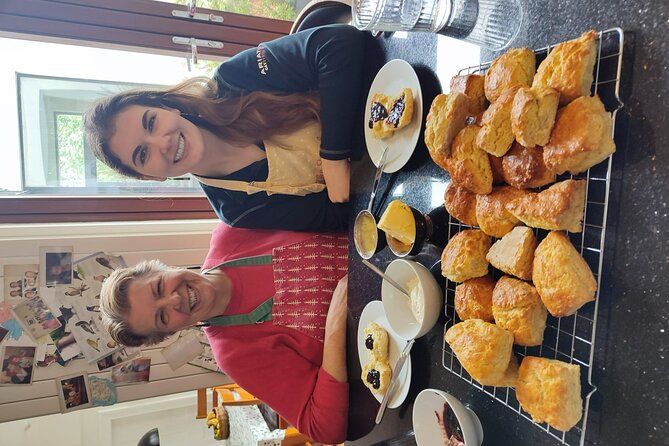
The class begins with tea or coffee before the baking starts. This simple opening helps set the pace. You are not rushed straight into weighing ingredients or trying to keep up with a professional chef.
For families, this relaxed start is helpful. Children age eight and older can take part, and there is time to settle in before the practical work begins. Parents should still expect the baking to be hands-on, with children involved rather than simply watching.
The opening conversation is part of the value. Emily shares her interest in Irish food, traditions, and life in Dublin as you prepare to bake. If you are curious about how everyday Irish cooking fits into family life, this gives the class more depth than a recipe demonstration.
You should also use this early time to mention dietary requirements. The host can accommodate them, but you need to provide the information in advance. Do not wait until you arrive and expect the recipe to be changed at the last moment.
Choosing between scones and apple cake
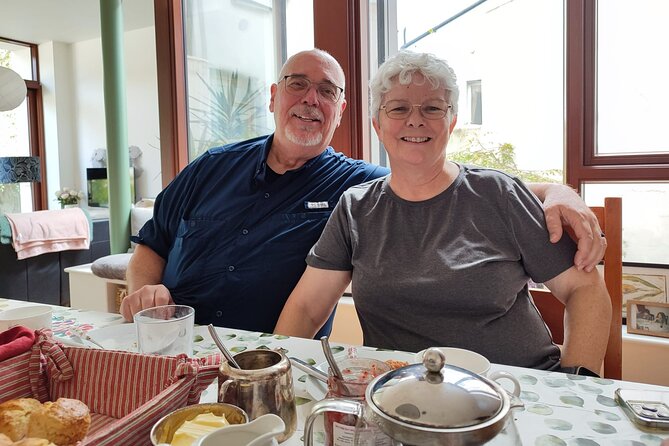
The central decision is simple: traditional Irish scones or Granny’s apple cake. Both choices give you a distinctly Irish home-baking experience, but they offer different results.
The scones are golden, buttery, light, and fluffy. Once baked, they are served with Irish butter, Irish jam, and fresh cream. This is the choice for you if you want to learn a basic recipe that works well for breakfast, afternoon tea, or a simple snack at home.
The apple cake is made with chunks of apple and a balanced mix of sugar and spice. It is served warm with fresh cream. Choose this if you prefer a soft fruit cake and want something that feels more connected to a family recipe.
The choice also affects what you take home. Scones are easy to portion and share, while apple cake makes a more substantial dessert. If your group has strong preferences, decide before booking or ask Emily what suits your needs.
The description presents the class as a choice between the two bakes. Some class formats may involve more than one item, but you should plan on selecting your preferred recipe unless Emily confirms otherwise.
Same corner of Ireland, a completely different day out:
- Dublin to Cliffs of Moher, Burren, Wild Atlantic Way, Galway Tour
★ 5.0 · 12,924 reviews - Dublin to Belfast Black Cab, Dunluce Castle and Giant’s Causeway
★ 5.0 · 7,954 reviews - Kilkenny, Wicklow Mountains & Glendalough Day Tour from Dublin
★ 5.0 · 7,897 reviews - From Dublin: Wicklow Mountains, Glendalough & Kilkenny Tour
★ 4.8 · 6,235 reviews
The hands-on baking lesson
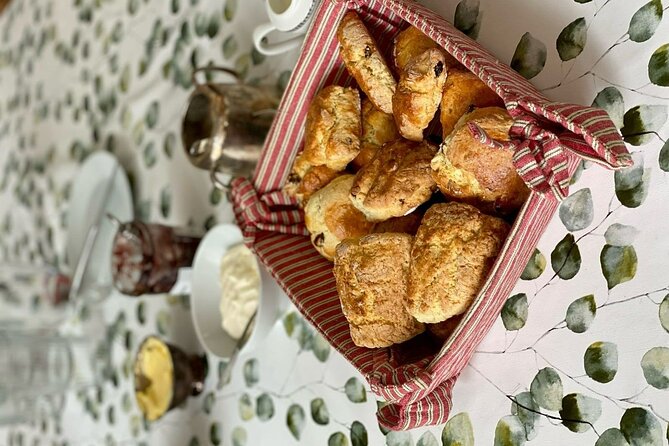
The practical part of the class is where the experience earns its place in your Dublin plans. You do not simply watch Emily bake while you sit at the table. You work through the recipe and learn the techniques that help the finished bake succeed.
That distinction is important with scones. The ingredients are familiar, but the texture depends on how you handle the mixture. Small details can decide whether the result is light or heavy. A personal lesson lets you ask about those details as you go.
Apple cake has its own useful lessons. The chunks of apple, the spice, and the balance of sweetness all affect the final result. A family recipe can also show you how Irish home baking differs from the cakes you may already make.
Emily shares cooking tips tied to diet and wellness as well as baking. That does not turn the class into a strict nutrition session. It simply adds another angle for you if you like understanding how recipes can fit into a happier, more practical home kitchen.
The pace should feel social rather than formal. You can ask questions while the bake is being prepared, and the small group makes it easier to follow along. With six people at most, you are less likely to lose the host’s attention than in a large class.
The waiting time is part of the experience
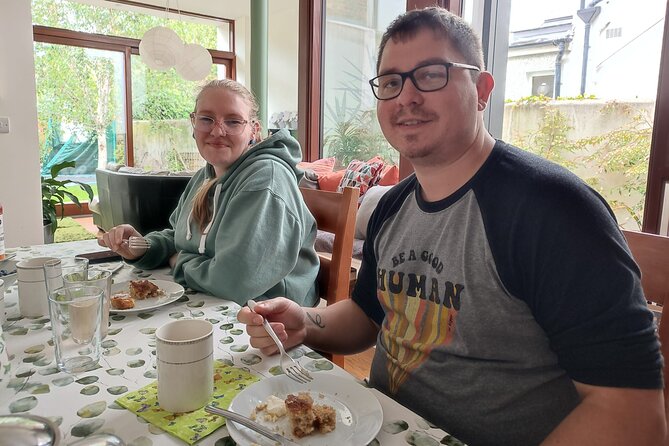
As your baking cooks, you sit and talk about Irish food, culture, and traditions. This is not empty time. It is the part that turns a recipe lesson into a cultural experience.
Emily shares her connection to Irish food and her family recipes, including the apple cake associated with her Granny. You also get a personal view of life in Dublin. The conversation may be especially useful if you have already seen the major sights and want something less formal and more local in tone.
I like this structure because it gives the class a natural rhythm. First you meet and settle in, then you work with the ingredients, then you talk while the oven does its job. Finally, you eat. It feels closer to being invited into someone’s home for a morning than attending a timed activity.
The tradeoff is that the amount of baking instruction is limited by the 90-minute schedule. You will learn useful methods, but this is not an advanced pastry course. If you want a long technical workshop with several recipes, decorating, or professional equipment, choose a different type of class.
Eating the warm result
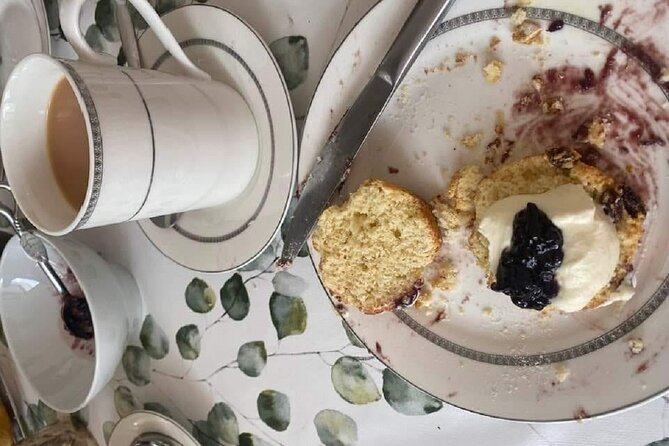
The final stage is the reward. Scones come with fresh cream, butter, and jam. Apple cake comes with fresh cream and the warm mix of apple and spice.
Eating the food immediately after baking gives you a better sense of texture and timing. You can see what the dough or batter becomes, then taste the result while it is still fresh. That makes the lesson easier to remember when you try the recipe at home.
The homemade treat also gives you a chance to compare the two styles of Irish baking. Scones are lighter and more direct. Apple cake is softer, fruitier, and more dessert-like. Both depend on simple ingredients, which is part of their appeal.
Extra baking can be taken home. That is useful if you are traveling with family or want to save a portion for later. Recipes are also sent to you, so the class does not end when you leave the house. You have a practical souvenir rather than another small object in your luggage.
What the $102.41 price really covers
At $102.41 per person, this is not a bargain breakfast. If you measure the cost against the amount of food alone, it may feel high for a 90-minute activity.
The better comparison is with a private or small-group cultural visit. Your price covers the food, instruction, tea or coffee, the use of a private home, conversation with the host, and the recipes you can use later. The group cap of six also matters. You are paying for attention and atmosphere, not just ingredients.
I would find the price easier to justify if you value personal contact and want an activity that works for mixed interests. One person in your group can care deeply about baking, while another mainly enjoys Irish culture and conversation. The format gives both people something to do.
Families may also see value in it. The age minimum is eight, so older children can take part in a real food activity rather than being left on the sidelines. Couples and solo visitors who enjoy meeting a local host may find it more memorable than a standard café stop.
Still, the price will not suit everyone. If your main goal is to eat inexpensive Irish food, spend the money elsewhere. If you want several recipes, a longer class, or a professional kitchen, you may also prefer another option.
Who will enjoy this most
This class fits you best if you like food with a story. The recipes are traditional, the host shares family connections, and the setting gives you a personal look at Dublin life.
It is a good match for:
- Families with children age eight or older
- Couples looking for a quieter morning activity
- Small groups that enjoy cooking and conversation
- Solo visitors who are comfortable joining a small class
- Anyone who wants recipes to use after returning home
- People interested in Irish food traditions beyond restaurant meals
It may be less suitable if you dislike social activities in private homes or want a fast, highly structured lesson. The experience depends on conversation, so you should expect interaction with Emily and the other people present.
The class is offered in English. Service animals are allowed, and the location is near public transportation. For any other access question, ask before booking rather than assuming a residential home will meet your needs.
How to plan your morning
Set aside more than the stated 90 minutes for the full outing. The class itself is approximately one hour and 30 minutes, but you also need time to reach Morehampton Road and leave afterward.
Start time is 10:30 am. A taxi is a simple choice if you are unfamiliar with Donnybrook, while public transportation is available nearby. Since the activity ends where it begins, you can plan your next stop from the same neighborhood.
Wear something comfortable for kitchen work. The supplied details do not specify a dress code, but baking is an active activity, and you may want room to work without worrying about your clothes.
Tell Emily about dietary requirements in advance. This is especially important for a home-based class, where ingredient changes may need planning. The minimum booking size is two people, and confirmation is provided at booking.
Cancellation is free if you cancel at least 24 hours before the local start time. A later cancellation is not refunded, and changes made inside that window are not accepted. The class also needs its minimum number of participants. If it cannot run for that reason, you are offered another date or experience, or a full refund.
Final verdict: book it for the host and setting
Book this experience if you want a personal Dublin morning built around food, family recipes, and conversation. Emily’s home, the small group, the choice of scones or apple cake, and the chance to take home recipes all give it a clear sense of place.
I would especially recommend it for families, couples, and visitors who have already covered the central sights. You get a gentle introduction to Irish baking, a warm homemade dessert, and useful context about Irish food and daily life.
Skip it if you want the lowest-cost way to eat breakfast, a long professional cooking course, or a class in central Dublin. At $102.41, the value rests in the welcome, the instruction, and the home setting. For the right kind of visitor, that personal touch is the point.
FAQ
Where does the Irish baking class take place?
The class takes place at Emily Lavelle’s Victorian Dublin home on Morehampton Road in the Donnybrook area of Dublin, Ireland.
What time does the experience start?
The experience starts at 10:30 am.
How long does the baking class last?
The activity lasts approximately one hour and 30 minutes.
What can I bake during the class?
You can choose between traditional Irish scones and Granny’s apple cake.
What is served with the scones?
The scones are served with fresh cream, Irish butter, and Irish jam.
What is served with the apple cake?
The apple cake is served warm with a dollop of fresh cream.
Is the class suitable for children?
Yes. The experience is suitable for ages eight and older and is described as suitable for families.
Can dietary requirements be accommodated?
Yes, dietary requirements can be catered for. You need to tell Emily in advance.
How many people can join the class?
The experience requires a minimum of two people and has a maximum of six participants.
Will I receive the recipes?
Yes. Emily sends you the recipes after the experience, and you can take home extra baking.
Is the experience offered in English?
Yes. The class is offered in English.
Can I cancel for a full refund?
Yes, if you cancel at least 24 hours before the experience start time. Cancellations made less than 24 hours in advance are not refunded.
More Workshops in Dublin
- Dublin: Forge a Silver Ring Workshop on Drury Street
★ 4.9 · 1,065 reviews - Dublin: Irish Music and Dance Show with Dance Lesson
★ 4.7 · 567 reviews - Dublin: Roe and Co Distillery Cocktail Workshop Experience
★ 4.9 · 489 reviews - Dublin: Jameson Distillery Whiskey Blending Class
★ 4.8 · 113 reviews
Just added around Dublin
- Women Of Ireland: Trailblazers & Pioneers★ 5.0 · 4 reviews
- Wicklow tour of Glendalough★ 4.5 · 8 reviews
- Full Day Private Wicklow Tour★ 5.0 · 12 reviews
- Wicklow Mountains & Glendalough Luxury Private Day Tour★ 5.0 · 23 reviews
- Premium Irish Whiskey Tasting Hosted by Local Dublin Expert★ 5.0 · 77 reviews
- Whiskey Tasting Tour of Dublin★ 5.0 · 117 reviews
- Dublin To Kilkenny Castle Waterford Crystal Private Car – Day Tour★ 5.0 · 8 reviews
- Historical Walking Tour of Dublin★ 5.0 · 50 reviews
Workshops, compared.

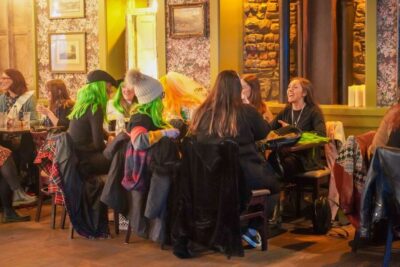

Roe and Co Distillery Cocktail Workshop Experience
Read our review →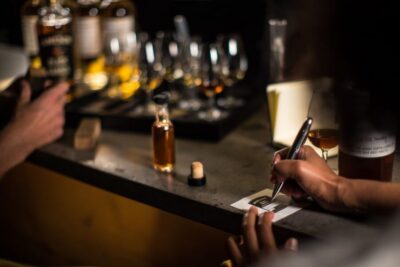
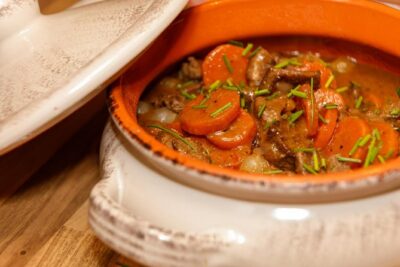
Irish Craic & Cuisine: Cooking Class & Dinner in Central Dublin
Read our review →

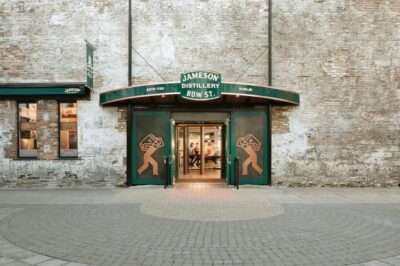
Jameson Distillery Whiskey Cocktail-Making Class
Read our review →Browse the lists this tour appears in