
Reviewed · MUSEUMS
Irish Famine Museum / Exhibition Dublin
The most striking thing about this Irish Famine exhibition is its setting: you study one of Ireland’s darkest chapters inside St. Stephen’s Green Shopping Centre, with unusual aerial views over the famous park. The exhibition tells the story of the Potato Famine, or Great Hunger, through wall displays, period photographs, newspapers, an original soup pot, and a short film.
I like the freedom of the self-guided format, since you can spend time on the subjects that matter most to you. I also like the mix of written history and physical objects, especially the soup pot and old newspapers, which give the story a more human scale.
The main drawback is its temporary, pop-up character. This is an upstairs exhibition in a shopping centre, not a large purpose-built museum, and much of the visit involves reading. The film area may also feel warm because the exhibition space is not climate controlled.
Key points to know before you go
- See the Great Hunger in a shopping centre setting: The exhibition is located inside St. Stephen’s Green Shopping Centre, a central Dublin landmark.
- Allow about one hour: The visit is self-guided and includes a 15-minute documentary.
- Look for the original soup pot: Along with newspapers and 19th-century photographs, it adds a tangible link to the period.
- Take in the rare park views: The exhibition offers aerial views of St. Stephen’s Green, an unusual bonus for a history visit.
- Expect plenty of reading: The displays aim to explain the famine through text and images, so this suits visitors who enjoy a quiet, information-led visit.
- Use the translation guide if helpful: French, German, Italian, and Spanish guides are available.
A serious history lesson in an unexpected place
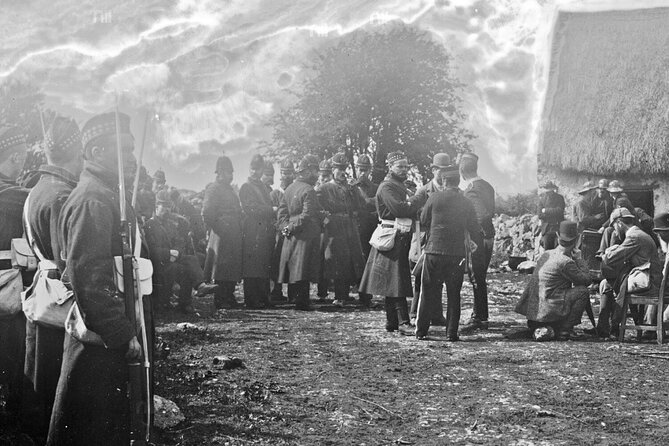
The Irish Famine Museum presents the Great Hunger as a human disaster shaped not only by crop failure, but also by political decisions and a slow response to suffering. That wider focus matters. You are not simply looking at a display about potatoes. You are being asked to think about government choices, landowners, hunger, poverty, and the forced movement of people.
The exhibition is especially useful if you know the famine only as a basic schoolbook fact. It connects the crisis to the reasons so many Irish people left the island, and it shows how a food catastrophe could change families and communities for generations.
The tone is serious, and rightly so. Some subjects are upsetting, including the treatment of starving Irish people and the failure of those in power to respond adequately. I would give younger children some context before arriving, even though children are welcome when accompanied by an adult.
You should not expect an entertainment-heavy attraction. The value comes from taking time with the material and letting the facts build a picture of what the famine meant. For some people, that direct approach will be powerful. For others, particularly children or adults who dislike reading, it may feel slow.
More Museums in Dublin
- Irish Rock ‘N’ Roll Museum Experience Dublin
★ 5.0 · 6,112 reviews - The Little Museum of Dublin Famous Guided Tour
★ 5.0 · 2,948 reviews - Dublin EPIC Museum Admission Ticket
★ 4.5 · 1,729 reviews
Finding the exhibition at St. Stephen’s Green Shopping Centre
Your visit begins at St. Stephen’s Green Shopping Centre, St. Stephen’s Green, Dublin, D02 HX65. The location is near public transportation, making it a practical stop during a day in central Dublin.
The setting takes a little adjustment. You enter a busy commercial building rather than a traditional museum, then head upstairs to the exhibition. That contrast may feel odd at first, but it also gives the visit a memorable character. The story of national hardship is being told in the middle of modern city life, rather than behind the formal entrance of a large institution.
The shopping centre location is also useful if you want to fit the exhibition around other Dublin plans. You do not need to set aside half a day. The stated visit lasts about an hour, and the activity returns you to the same meeting point when you finish.
The exhibition is scheduled to operate daily from noon to 6 p.m. from April 1 through September 30, 2026. Check the date and hours when booking, since this is a temporary exhibition and its availability is tied to that period.
A self-guided route through the Great Hunger
There is no named guide leading the visit. Instead, you move through the room at your own pace, reading the displays and examining the objects. This lets you pause over family connections, political history, or the social effects of hunger without being pushed along by a group.
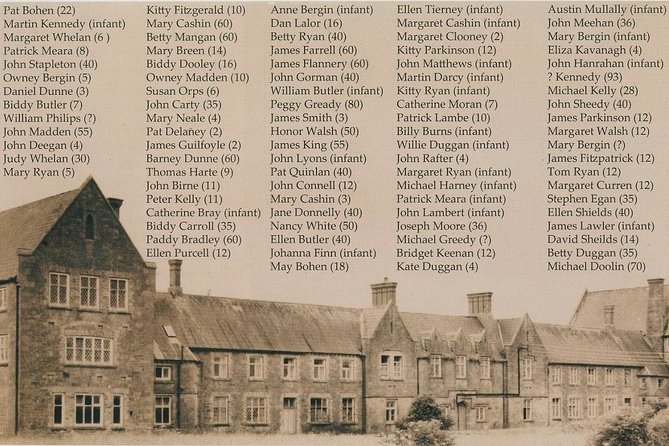
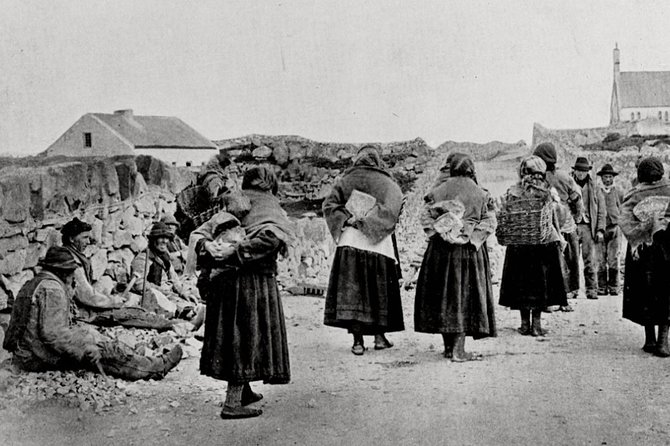
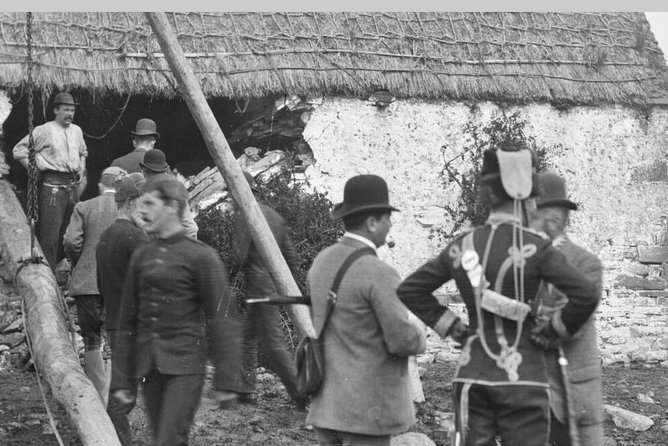
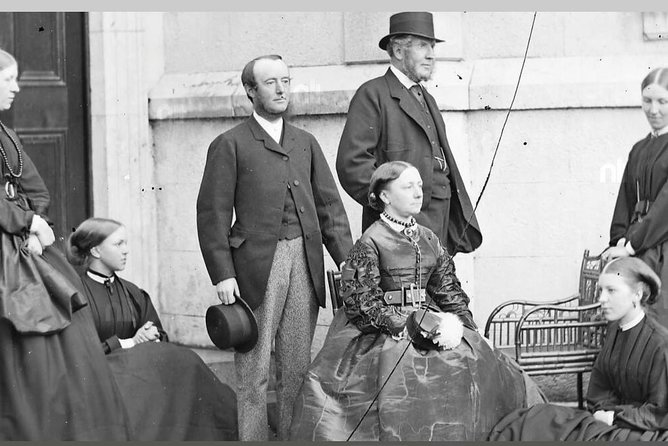
The displays use written explanations, photographs, and historical material to tell the story. Nineteenth-century photographs are among the most useful elements because they put faces and places alongside the facts. The original soup pot is another strong object. It is simple, but it helps explain the practical side of hunger and relief in a way a panel of text cannot.
Old newspapers add another layer. They show how the crisis was recorded and discussed at the time, giving you a sense of public debate and the slow response that the exhibition examines.
I would plan to read rather than skim. The exhibition is not designed around a long chain of interactive activities, and only one audiovisual feature is specifically included. If you are happy to read carefully, the compact size can work in your favor. You can cover the main material without feeling lost in a huge collection.
A self-guided visit also works well for mixed-age groups. One person can read ahead while another studies the photographs. You can regroup for the film and talk afterward. Just remember that children must be accompanied by an adult.
The 15-minute documentary adds faces and feeling
The short documentary lasts about 15 minutes and is included with admission. It breaks up the reading and gives the exhibition a change of pace.
A film can help you connect the written story to the emotional weight of the famine. The displays explain events and decisions, while the moving image gives you a more concentrated period of reflection. If you have limited time, do not skip it automatically. A one-hour visit gives you enough room to read some displays, watch the film, and return to sections that deserve a closer look.
The film is shown in a designated area, and the room may be warm because the exhibition is not climate controlled. On a sunny afternoon, that could affect your comfort. I would avoid planning the visit as a rushed stop between fixed appointments. You will get more from it if you can sit through the film and take a few quiet minutes afterward.
The film is not a replacement for the displays. It is one part of the visit, and most of the experience remains based on reading and looking at historical material.
A few more Dublin half-days to weigh up
- Dublin to Cliffs of Moher, including Wild Atlantic Way and Galway
★ 5.0 · 23,331 reviews - From Dublin: Cliffs of Moher, Burren & Galway City Day Tour
★ 4.8 · 18,888 reviews - Dublin: Guinness Storehouse Entry Ticket
★ 4.6 · 16,863 reviews - Dublin to Cliffs of Moher, Burren, Wild Atlantic Way, Galway Tour
★ 5.0 · 12,924 reviews
The unusual reward: views over St. Stephen’s Green
The exhibition includes rare aerial views of St. Stephen’s Green. These are a welcome visual change from the famine displays, and they offer a different way to see one of Dublin’s best-known public spaces.
The views also help place the exhibition in its surroundings. You are not visiting a remote site disconnected from the city. You are looking out over a central Dublin park while considering how Irish society changed during the Great Hunger and its aftermath.
Do not book the exhibition solely for the view. It is a bonus, not the main attraction. Still, it helps make this compact visit feel more distinctive than a standard room of information panels. If you are already visiting the shopping centre or nearby St. Stephen’s Green, the outlook adds a pleasant reason to pause.
What the $18.15 admission is really buying
At $18.15 per person, this is not a bargain-priced quick stop, so your expectations matter. You are paying for access to a focused temporary exhibition, historical objects, a 15-minute documentary, and the convenience of advance admission.
The price makes the most sense if you want a clear introduction to the famine and prefer a compact visit over a large museum with several hours of material. It is also reasonable for visitors with family ties to Ireland who want a direct, accessible account of the period.
The value is weaker if you expect a large collection, a live historian, or many interactive displays. This is a small, self-guided exhibition. Its strength is focus, not scale.
Advance booking is useful because admission is arranged ahead of time and entrance lines can be skipped. The activity can accommodate up to 90 people, though the actual feel of the room will depend on how many people arrive at once. Confirmation is provided at booking, and free cancellation is available if you cancel at least 24 hours before the local start time.
Who will get the most from this visit
I would recommend the exhibition most strongly to:
- Adults seeking a concise introduction to the Irish Famine.
- People tracing Irish family history or trying to understand why ancestors emigrated.
- Visitors who prefer reading and historical photographs to theatrical attractions.
- Students and families who can discuss difficult subjects together.
- Anyone with an hour to spare in central Dublin.
- Visitors who appreciate a self-guided schedule.
You may want to choose another activity if you need a highly interactive museum, a long guided talk, or a child-focused attraction. The exhibition asks you to read, think, and absorb disturbing facts. That is its purpose, but it will not suit every mood or attention span.
It can also work well as a first stop before visiting other Irish history sites, since it gives you basic context for the scale of emigration and the political arguments surrounding relief. The exhibition itself does not promise a full-day program, so treat it as one focused piece of your Dublin schedule.
Language help and practical comfort
The exhibition is offered in English, with a translation guide available in French, German, Italian, and Spanish. That makes the written material more accessible, though the main exhibition language remains English.
The activity is near public transportation, and service animals are allowed. Most people can participate. Children must have an adult with them.
Because the visit takes place inside a shopping centre and the room is not climate controlled, comfort can vary. The film area may feel warm, so dress for an indoor space that may not have steady temperature control. The compact one-hour format is helpful if you are managing energy, but the reading itself may make the visit feel longer than the clock suggests.
The experience ends where it begins, at St. Stephen’s Green Shopping Centre. That simple arrangement makes it easy to continue shopping, explore the park, or move on to another central Dublin sight.
How to make your hour count
I would begin by checking the main introduction carefully rather than rushing straight to the photographs. The exhibition’s focus on political choices and delayed relief gives the later material more meaning.
Next, spend time with the 19th-century images and newspapers. These are the pieces most likely to turn a broad historical event into something specific and real. Look at the original soup pot as more than a display object. Its plainness is part of its effect.
Watch the documentary before you leave, and allow a little time afterward to revisit any panel that caught your attention. The film lasts only 15 minutes, but it is a central part of the visit.
If you are with children, explain beforehand that the exhibition deals with starvation, poverty, government failure, and emigration. Encourage questions, but do not force a long stay if the subject becomes too heavy. Adults will get more from the exhibition when they treat it as a serious history lesson rather than a quick photo stop.
Should you book the Irish Famine Exhibition?
Book it if you want a focused, one-hour account of the Great Hunger with clear displays, period photographs, original objects, a short documentary, and an unusual view over St. Stephen’s Green. It is particularly worthwhile if Irish family history, emigration, or the political causes of the famine matter to you.
Think twice if you want a large traditional museum or dislike reading. The upstairs shopping-centre setting, self-guided format, and warm film room are real limitations. Still, the exhibition offers a direct way to confront a defining period in Irish history, and its modest size makes it easy to fit into a Dublin day.
FAQ
Where is the Irish Famine Exhibition in Dublin?
It is located at St. Stephen’s Green Shopping Centre, St. Stephen’s Green, Dublin, D02 HX65, Ireland.
How long does the visit take?
The visit lasts approximately one hour.
Is the experience guided?
No. It is a self-guided exhibition, so you explore at your own pace.
Is a documentary included?
Yes. Admission includes a 15-minute documentary film.
What historical objects are displayed?
The exhibition includes museum artefacts such as an original soup pot, 19th-century photographs, and newspapers.
Are translation guides available?
Yes. Translation guides are available in French, German, Italian, and Spanish.
What are the opening hours?
From April 1 through September 30, 2026, it is scheduled to open Monday through Sunday from noon to 6 p.m.
Can children attend?
Yes, but children must be accompanied by an adult.
Is the exhibition accessible by public transportation?
Yes. The location is near public transportation.
Can I cancel my booking?
Yes. You can cancel for a full refund up to 24 hours before the experience start time. Cancellations or changes made less than 24 hours in advance are not accepted for a refund.
Just added around Dublin
- Women Of Ireland: Trailblazers & Pioneers★ 5.0 · 4 reviews
- Wicklow tour of Glendalough★ 4.5 · 8 reviews
- Full Day Private Wicklow Tour★ 5.0 · 12 reviews
- Wicklow Mountains & Glendalough Luxury Private Day Tour★ 5.0 · 23 reviews
- Premium Irish Whiskey Tasting Hosted by Local Dublin Expert★ 5.0 · 77 reviews
- Whiskey Tasting Tour of Dublin★ 5.0 · 117 reviews
- Dublin To Kilkenny Castle Waterford Crystal Private Car – Day Tour★ 5.0 · 8 reviews
- Historical Walking Tour of Dublin★ 5.0 · 50 reviews
Museums, compared.
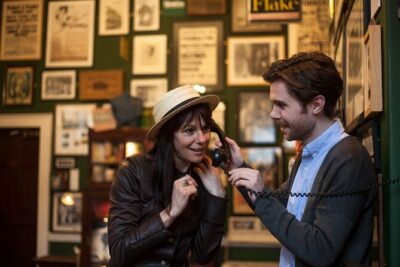
The Little Museum of Dublin Famous Guided Tour
Read our review →
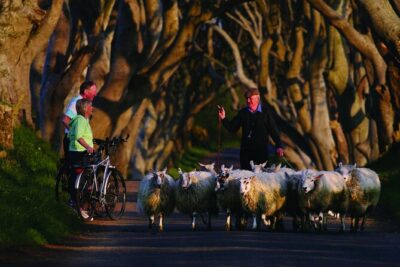
Giant’s Causeway with the Titanic Exhibition and the best of Northern Ireland
Read our review →

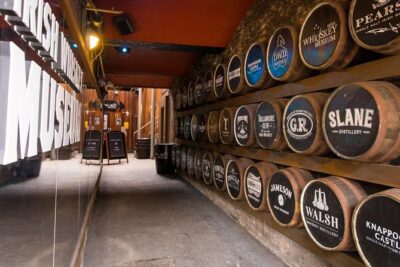
Irish Whiskey Museum: Whiskey Blending Experience
Read our review →
Irish Whiskey Museum Blending Tour with Tastings
Read our review →Browse the lists this tour appears in