
Reviewed · WORKSHOPS
Dublin: Forge a Silver Ring Workshop on Drury Street
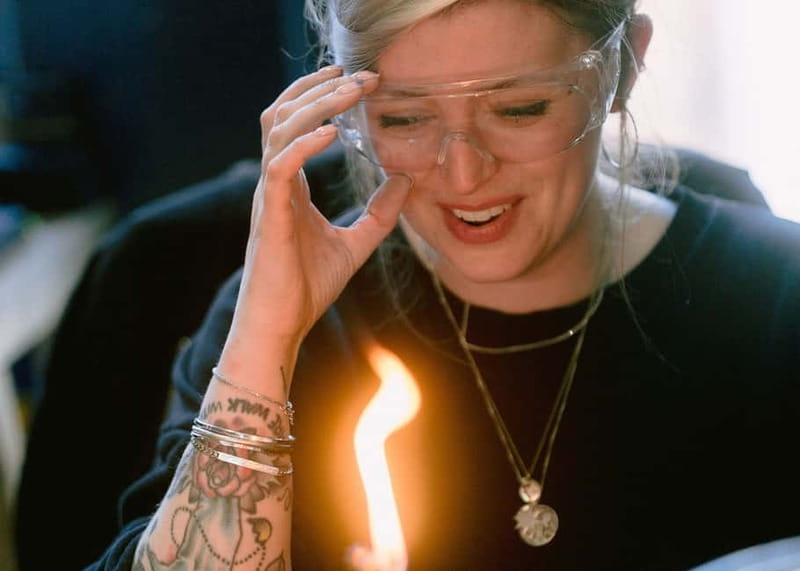
Making a ring from a strip of sterling silver is the clever part of this Dublin activity. You do not simply pick a souvenir from a shelf. You cut the metal, shape it with a mallet, help form its finish, and leave with something made by your own hands. I like the small-group feel and the fact that two instructors can often give close help when a file or hammer does not behave as planned.
I also like the choice built into the process. You select the finger, curve, texture, and polish, so matching rings can still look different. The main drawback is practical: both studios have steep stairs and are not suitable for wheelchair users or people with impaired mobility. You also need good English and must arrive early, since late arrivals beyond 10 minutes cannot join.
Key Points Before You Book
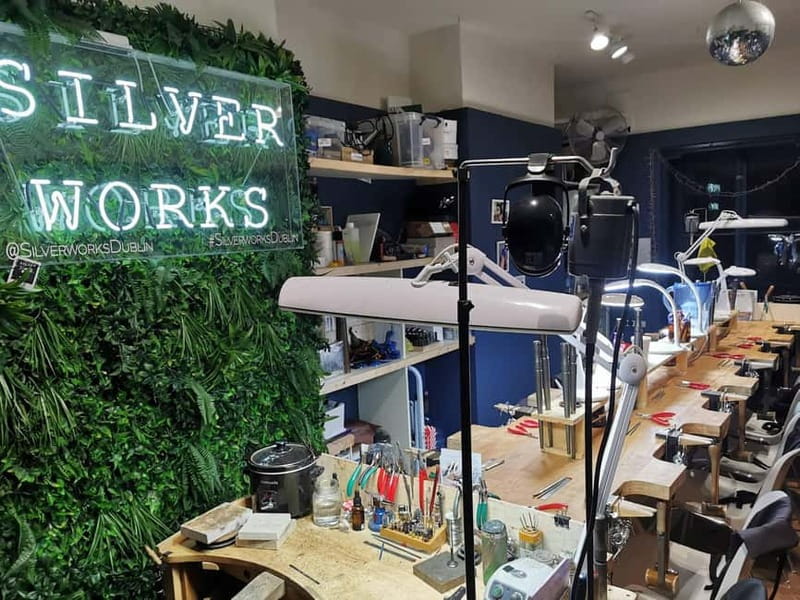
- A real hands-on souvenir: You cut, shape, file, texture, and polish your own sterling silver ring.
- Two central Dublin locations: The class is booked for Drury Street, but it may move two minutes away to 4 South Great Georges Street.
- Helpful English-speaking tutors: Instructors guide beginners closely, with names such as Sinead, Emily, Audrey, Jill, Owen, Claire, and Kat appearing among the teaching team.
- Useful for couples and families: Matching rings work well for anniversaries, honeymoons, birthdays, and mother-and-child outings.
- A two-hour creative break: Tea, coffee, and snacks are included, and the workshop ends where it starts.
- Know the limits: Children must be at least 10, those under 16 need a paying guardian, and the studios involve steep stairs.
Why a Silver Ring Makes a Better Dublin Souvenir
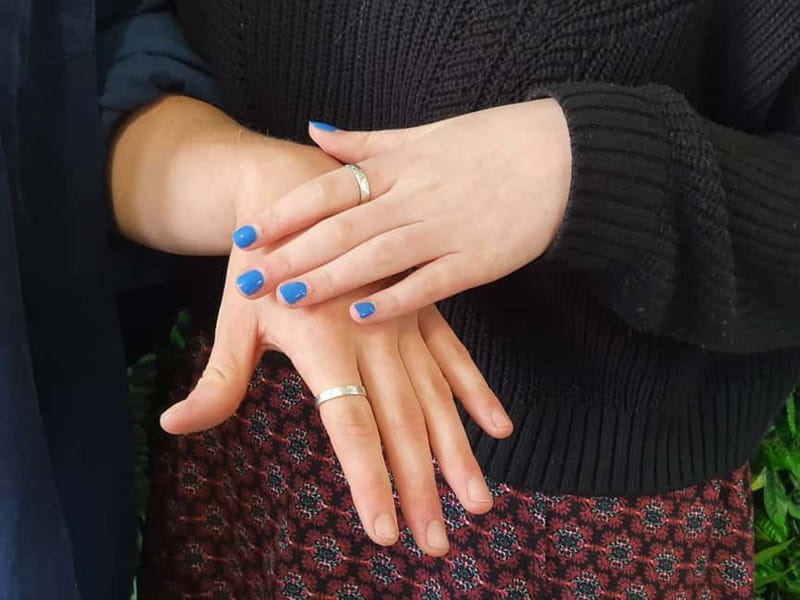
Dublin offers plenty of easy-to-pack purchases, but a ring made during your visit carries a different kind of memory. You remember the sound of the hammer, the feel of the file, and the small decisions that changed the finished piece. That gives the souvenir a story, not just a price tag.
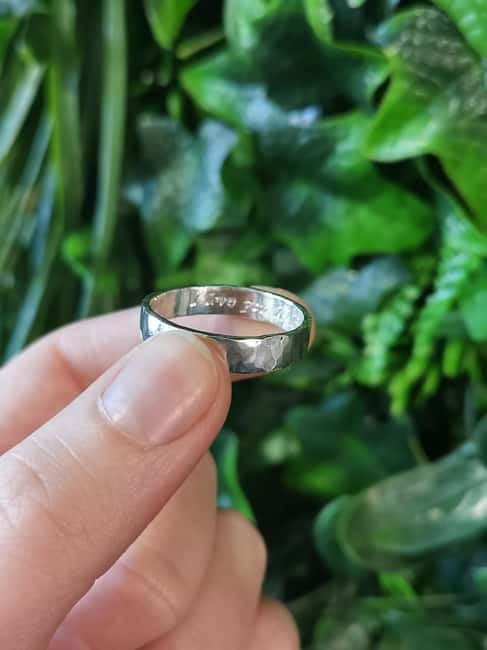
The workshop uses sterling silver and gives you an individual ring to take home. You choose which finger it is for, mark the required length, and work through the basic stages with an instructor nearby. The result is personal even if everyone begins with similar material.
I would especially consider this for a couple. Several pairs make matching rings for an anniversary or honeymoon, while others create rings for each other. The activity also suits a parent and older child, friends, or a solo visitor who wants two hours away from standard sightseeing.
The finished ring is not presented as a flawless piece made by a professional while you watch. You have a genuine role in making it. At the same time, the tutor handles the soldering and helps correct problems, which keeps the task approachable for first-time metalworkers.
A few more Dublin half-days to weigh up
- Dublin to Cliffs of Moher, including Wild Atlantic Way and Galway
★ 5.0 · 23,331 reviews - From Dublin: Cliffs of Moher, Burren & Galway City Day Tour
★ 4.8 · 18,888 reviews - Dublin: Guinness Storehouse Entry Ticket
★ 4.6 · 16,863 reviews
Finding Silver Works on Drury Street
The main booking is for the Drury Street location in Dublin 2, a central area that also gives you shops and places to eat nearby. The studio is not a hotel pickup experience, so plan to make your own way there and allow more time than you think you need.
There is a second studio at 4 South Great Georges Street, D02 NR59, about a two-minute walk away. This matters because the class may be moved there. You receive a message the day before telling you which location to use, so check your phone and email before heading out.
The meeting point and finishing point are the same. That makes the class easy to fit between other plans, but I would not schedule it tightly against a flight, train, or timed attraction. The operator asks you to arrive 10 minutes before the start and does not accept people more than 10 minutes late.
If you are coming directly from Dublin Airport, leave extra time for the journey. A delayed flight is not a reason to count on a late entry, and no airport transfer is included.
Marking and Cutting Your Silver
The first step is choosing the finger for your ring. The tutor helps you mark the silver to the length you need, then you use a handsaw to cut it to size.
This is a useful beginning because the ring starts as plain material. You can see how a measured strip becomes a wearable object, and you get a sense of the care needed for even a simple band. The saw work is part of the hands-on appeal, but it also means you should expect to concentrate rather than sit back.
Do not worry if you have no jewelry-making background. The class is built around guidance, and the instructors explain the process as you go. The supplied feedback repeatedly praises clear instructions, patience, and tutors who stay available for questions. That is important here, since the tools may look more serious than the finished ring suggests.
The small class format is another advantage. The studio space is limited but described as comfortable, and having two instructors can make it easier to get help without stopping the whole group.
Shaping the Band with a Mallet
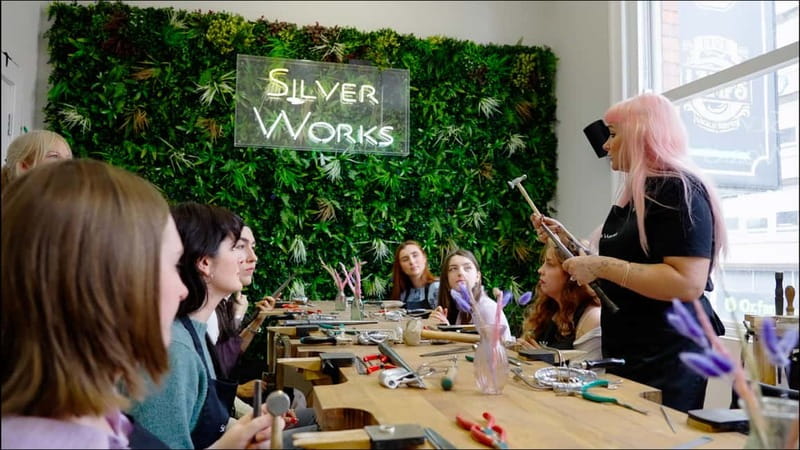
Once the silver is cut, you form it around a ring mandrel. A mallet helps bend the strip into a ring shape, and this is where the flat piece begins to look familiar.
The work is simple in outline but satisfying in practice. You are not merely following a demonstration from across a room. You handle the material and see the effect of each adjustment. The tutor can help you keep the shape even and make sure the ring fits the intended finger.
Next comes soldering. An expert tutor handles this stage while guiding you through what is happening. That division of labor makes sense: you get to take part in the craft without being left to manage the most technical and heat-sensitive step alone.
If you are making a pair of rings, this stage can produce small differences in shape and size. That is part of the charm. The workshop gives you control over the final look, but it is not a factory process where every piece comes out identical.
Same corner of Ireland, a completely different day out:
- Dublin to Cliffs of Moher, Burren, Wild Atlantic Way, Galway Tour
★ 5.0 · 12,924 reviews - Dublin to Belfast Black Cab, Dunluce Castle and Giant’s Causeway
★ 5.0 · 7,954 reviews - Kilkenny, Wicklow Mountains & Glendalough Day Tour from Dublin
★ 5.0 · 7,897 reviews - From Dublin: Wicklow Mountains, Glendalough & Kilkenny Tour
★ 4.8 · 6,235 reviews
Filing the Edges and Choosing the Curve
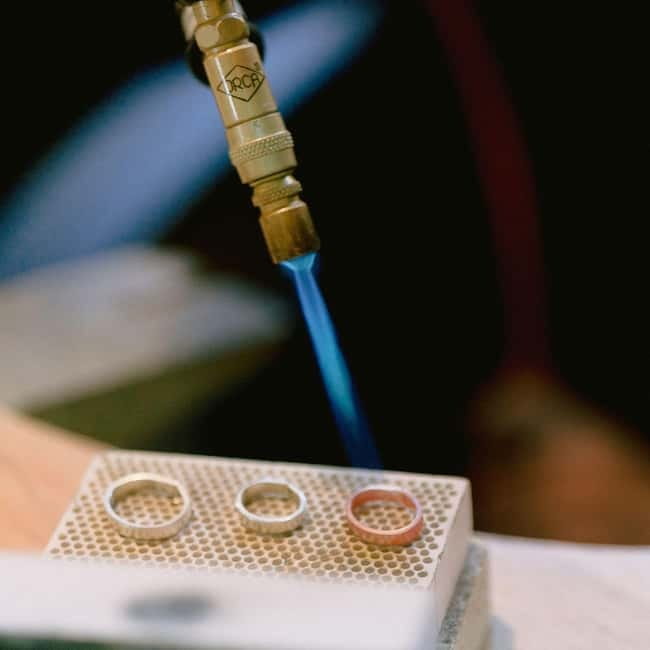
After soldering, you use different hand files to smooth and refine the ring. You also decide what curve you want the band to have. This choice can make a noticeable difference to the final appearance.
A flatter ring can look clean and simple, while a more rounded curve may feel softer on the finger. The important point is that the workshop gives you room to make design decisions rather than offering just one standard finish.
Filing takes patience. It is one of the less dramatic stages, but it is where the rougher marks from cutting and shaping begin to disappear. If you rush, you may leave edges or an uneven surface. The instructors can show you how to work carefully and answer questions as you refine the band.
I like this part because it gives beginners a chance to see how craft improves through small, repeated actions. The ring does not become finished in one grand moment. It takes a series of modest corrections.
Adding Texture with the Planishing Hammer
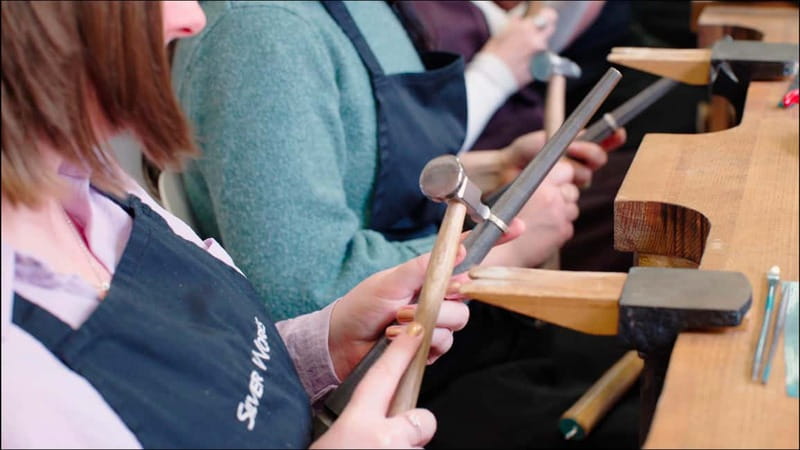
The most creative choice arrives when you select one of three different textures. You then use a planishing hammer to create the surface you want.
This is where two rings made in the same class can become clearly different. One person may prefer a flat, shiny finish, while another chooses a more marked or textured surface. The activity provides enough choice to make the object feel personal without overwhelming you with a long design catalogue.
The hammering also gives the workshop its strongest sense of traditional making. You hear and feel each strike, and the pattern develops under your control. Use too much force or place marks carelessly, and the surface can change in ways you did not expect. That is not a flaw in the idea, but it is a reason to listen closely to the tutor.
Past participants have praised instructors for making the steps feel easy and not intimidating. That support matters most here. The tutors can help you understand how the tool works and how to achieve a consistent texture.
Polishing the Ring Before You Leave
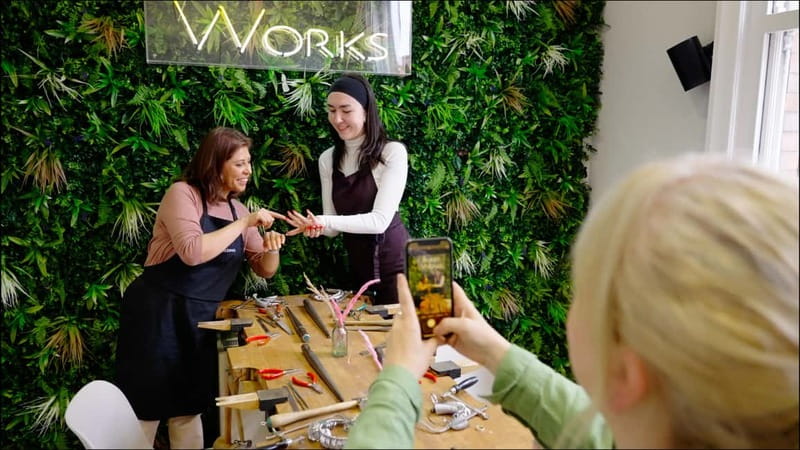
The final decision is the polish. You choose how you want the silver to look, then finish the ring and take it home.
A polished surface can give the band a brighter, cleaner appearance, while other finishing choices may keep more of the handmade character. You are not choosing between good and bad. You are deciding which look feels right for the ring you have shaped.
The whole process takes about two hours. That is long enough to feel like you learned a real sequence of techniques, but short enough to fit into a day of sightseeing. The time can pass quickly once the class begins, especially if you are working alongside a partner or friend.
Tea, coffee, and snacks are included. These are small extras, but they help make the workshop feel relaxed rather than like a strict lesson. Some instructors also offer local suggestions, including places to eat, nearby pubs, and sights to visit during the rest of your time in Ireland.
The Tutors and Class Atmosphere
The teaching team changes by session, so you should not book expecting one named instructor. Names connected with recent classes include Sinead, Emily, Audrey, Jill, Owen, Claire, and Kat.
The strongest pattern in the feedback is the teaching style. Instructors are described as patient, kind, friendly, professional, and encouraging. That combination is useful: you get clear instruction, but you also have room to work with your own hands.
Small groups help the atmosphere. The studio is limited in space, yet the setup allows close assistance. Two instructors may be present, giving you someone to ask when you need a quick adjustment or want advice about the finish.
The class also has a social side without requiring you to be outgoing. Couples can work on matching rings, families can make a shared memory, and solo participants can focus on their own piece. Music and the sounds of the surrounding street may add to the relaxed workshop feel.
The good mood does not replace instruction. The most useful feature is that the tutors explain the process clearly and stay involved from the saw to the final polish.
Is the $98 Price Good Value?
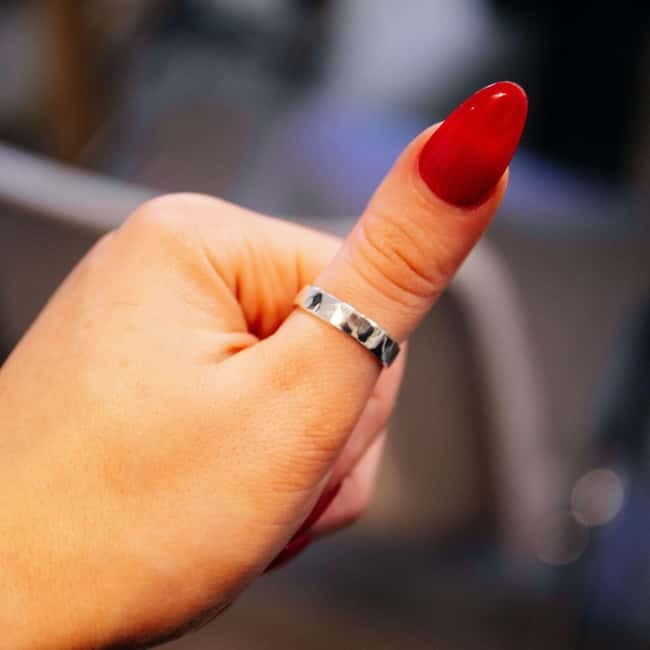
At $98 per person, this is not a cheap way to fill two hours. You should compare it with the cost of buying a silver ring, but also with the value of a guided activity and a finished object you created yourself.
The price includes the forging workshop, an expert tutor, your individual ring, tea or coffee, and snacks. There is no hotel pickup or drop-off, so transport costs are your responsibility. The central location helps keep that part simple.
I think the price makes the most sense if you care about the making process. If you only want an inexpensive souvenir, a shop purchase will likely cost less and take less time. If you want a personal keepsake tied to your Dublin visit, the workshop offers more than the silver alone.
The value also improves for a special occasion. Matching anniversary bands, honeymoon rings, or a ring made with your mother can carry meaning long after the trip. One useful detail is that the ring can be engraved later, giving you another way to mark a birthday, travel date, or Irish connection.
A high rating of 4.9 from 1,065 reviews points to strong satisfaction, but I would still consider the physical and timing limits before paying. This is an active workshop, not a passive demonstration.
Who Should Book This Dublin Workshop?
Book it if you want a creative activity in central Dublin and like the idea of wearing your souvenir every day. It suits couples especially well, but you do not need to be part of a pair. Friends, families with older children, and solo visitors can all take part.
The minimum age is 10. Anyone under 16 must have a paying guardian with them. The activity is taught in English, and a good level of English is required for all workshops because you need to follow tool and safety instructions.
I would not choose it for anyone with impaired mobility. Both studios have steep stairs and are not suitable for wheelchair users. This is worth checking before booking, since the alternative Georges Street studio has the same access warning.
You should also avoid placing the class immediately before an important departure. Arrive early, check the location message the day before, and allow time for traffic if you are coming from the airport.
Cancellation is flexible up to 24 hours before the activity for a full refund, and you can reserve now and pay later. Those terms help if your Dublin plans are still shifting, but they do not remove the need to arrive on time.
Should You Book the Drury Street Ring Workshop?
I would book this if you want a souvenir with your fingerprints, decisions, and a few small imperfections in it. The strongest reasons are the real hands-on work, the patient instruction, and the chance to choose the ring’s curve, texture, and polish.
I would skip it if your schedule is packed, you dislike practical crafts, or steep stairs are a concern. At $98, the appeal depends on valuing the experience as much as the silver ring.
For a couple, honeymooner, parent and older child, or anyone marking a special trip, this is one of the more meaningful ways to spend two hours in Dublin. Just check the studio message, arrive early, and let the tutors help turn a strip of silver into something you will actually wear.
FAQ
How long does the Dublin silver ring workshop last?
The workshop lasts two hours. Check availability for the specific starting times offered on your chosen date.
How much does the workshop cost?
The listed price is $98 per person. It includes the forging workshop, an expert tutor, an individual ring, tea or coffee, and snacks.
Where does the workshop take place?
This booking is for the Drury Street location in Dublin 2. Some classes may move to the second studio at 4 South Great Georges Street, D02 NR59, which is about a two-minute walk away.
How will I know if the class moves to Georges Street?
You will receive a message the day before the workshop if your class is being held at the Georges Street location. Check your messages before leaving for the activity.
What will I do during the workshop?
You mark the silver for your chosen finger, cut it with a handsaw, shape it with a mallet on a ring mandrel, file it, choose a texture, use a planishing hammer, select a polish, and take home the finished ring. An expert tutor handles the soldering.
Do I need previous jewelry-making experience?
Previous experience is not listed as a requirement. The class teaches the techniques during the workshop, and the instructors guide you through each step.
Is the workshop taught in English?
Yes. English is the listed workshop language, and a good level of English is required.
Can children join the class?
Children aged 10 and older can join. Anyone under 16 must be accompanied by a paying guardian.
Is the activity suitable for wheelchair users?
No. Both studios have steep stairs and are not suitable for wheelchair users or people with impaired mobility.
What happens if I arrive late?
You should arrive 10 minutes before the start time. Attendees arriving more than 10 minutes after the class begins cannot be accepted, so allow extra time, especially if coming from the airport.
Just added around Dublin
- Women Of Ireland: Trailblazers & Pioneers★ 5.0 · 4 reviews
- Wicklow tour of Glendalough★ 4.5 · 8 reviews
- Full Day Private Wicklow Tour★ 5.0 · 12 reviews
- Wicklow Mountains & Glendalough Luxury Private Day Tour★ 5.0 · 23 reviews
- Premium Irish Whiskey Tasting Hosted by Local Dublin Expert★ 5.0 · 77 reviews
- Whiskey Tasting Tour of Dublin★ 5.0 · 117 reviews
- Dublin To Kilkenny Castle Waterford Crystal Private Car – Day Tour★ 5.0 · 8 reviews
- Historical Walking Tour of Dublin★ 5.0 · 50 reviews
Workshops, compared.


Roe and Co Distillery Cocktail Workshop Experience
Read our review →

Irish Craic & Cuisine: Cooking Class & Dinner in Central Dublin
Read our review →
Irish Baking Class: Granny’s Apple Cake, Traditional Scones
Read our review →
Jameson Distillery Whiskey Cocktail-Making Class
Read our review →Browse the lists this tour appears in