
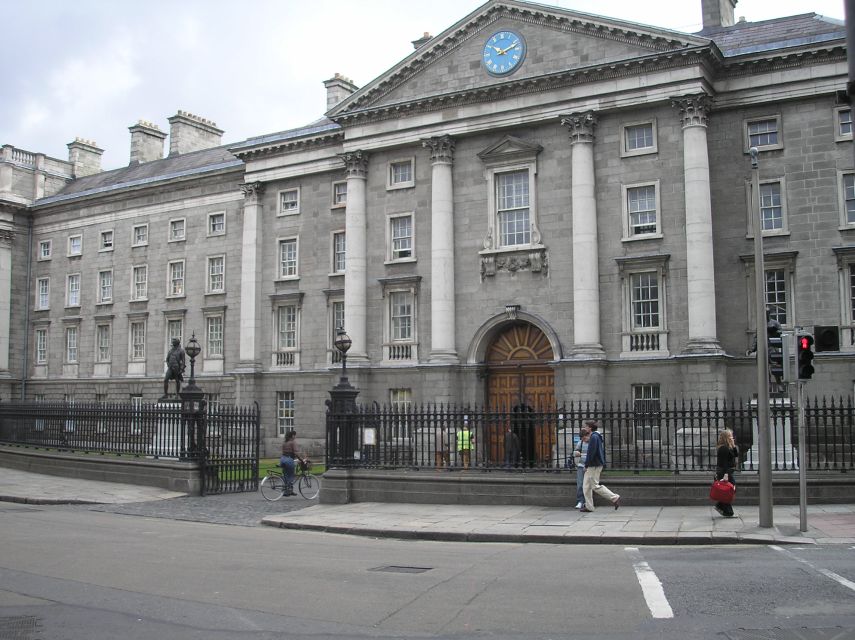
Reviewed · WALKING TOURS
Dublin: Highlights and Hidden Corners Walking Tour
Dublin’s best introduction may be a walk that refuses to stick to the postcard stops. This 2.5-hour route moves from Dublin Castle and Christ Church through Temple Bar, across the River Liffey, and up O’Connell Street, while pointing out odd corners such as a former cinema, a church turned café, and a Lisbon tram now serving coffee.
I like the small groups, capped at 16 people, and the guides’ mix of local facts, political history, humor, and useful Dublin advice. I also like the pace: several reviews praise Joe, John O’Flynn, Katie, Dave, and Jacob for making the walk easy to follow. The main thing to consider is that one review found the pace a little fast, so tell your guide if you need a slower walk.
Key points to know before you book
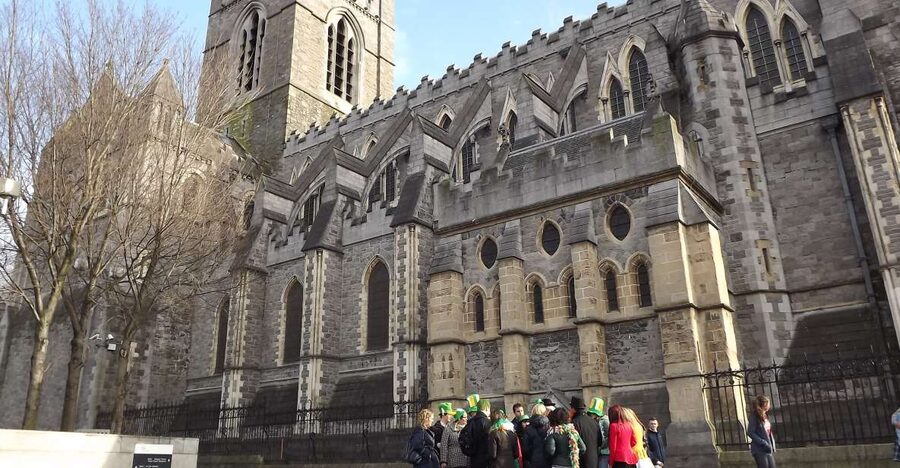
- A two-sided view of Dublin: The route covers the south side, Temple Bar, the Liffey, and northside landmarks.
- Stories beyond the famous sights: Look for a defunct cinema, a former Lisbon tram, a wobbly bridge, and an unusual post-box.
- Strong guide-led experience: Joe, John O’Flynn, Katie, Dave, and Jacob are among the named guides praised for humor, warmth, and clear storytelling.
- A useful first-day walk: The route gives you a city-center framework before you choose museums, churches, shops, and pubs to visit later.
- External sightseeing: The walk passes major buildings and historic sites, but entry is not part of the tour.
- Good value at $31: For 2.5 hours in a small group, the price is fair if you want context rather than a simple list of landmarks.
Starting at Dame Street and entering old Dublin
The tour begins at the Tree of Gold statue, also called Crann an Óir, at the corner of Dame Street and Fownes Street Upper. That is a handy central meeting point, close to several major sights and easy to place on a city map.
I like this starting area because the route quickly puts Dublin’s older quarters under your feet. You are not spending the first half-hour on a coach or waiting for transport. You begin walking through the former Viking and medieval quarter, where the guide can connect streets and buildings to the city’s earlier development.
The experience is built around explanation rather than entry tickets. You see the exteriors of the main sites and hear the stories attached to them. If you want to go inside Dublin Castle, Christ Church Cathedral, or Trinity College’s Book of Kells, you will need to arrange that separately after the walk.
That approach keeps the price down and lets the group cover more ground. It also means you should not book this as an interiors tour. Think of it as a well-planned city orientation with plenty of stops for stories and photographs.
More Walking Tours in Dublin
- Dublin Highlights and Hidden Gems Guided Walking Tour
★ 5.0 · 6,020 reviews - Dublin: Highlights and Hidden Gems Walking Tour
★ 4.9 · 2,140 reviews - 1916 Rebellion Walking Tour
★ 5.0 · 1,605 reviews
Dublin Castle, City Hall, and the medieval quarter
City Hall and Dublin Castle form an early anchor for the tour. The buildings help explain how Dublin developed as a center of administration and power, while the surrounding streets preserve the feel of the older city.
The route includes the grounds and gardens of Dublin Castle, with the visit conducted from outside. That distinction matters. You will get a sense of the setting and hear about its role, but the tour does not promise an escorted look through the rooms.
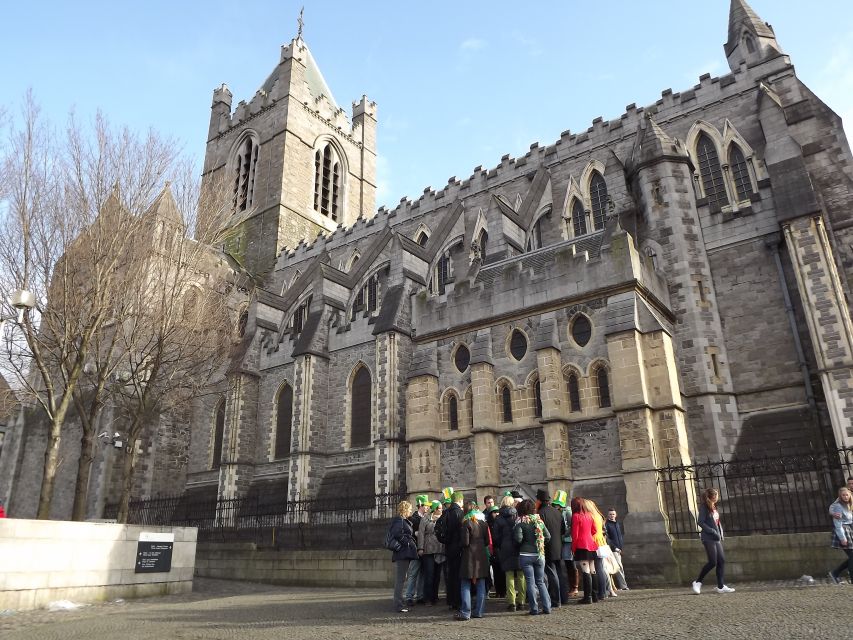
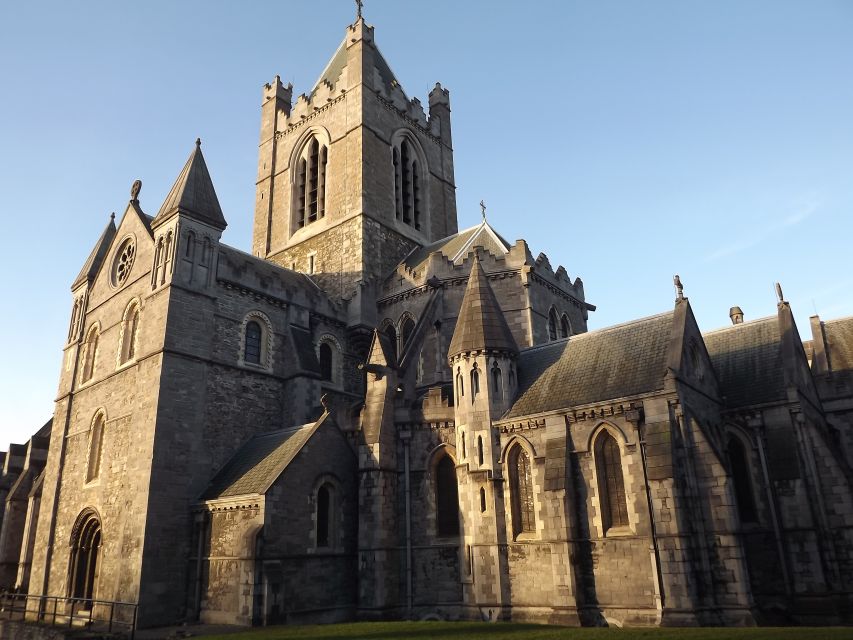
Nearby Christ Church Cathedral adds another layer. Even from the street, it is an unmistakable landmark and a useful reminder that Dublin’s story is not confined to one period. The guide’s task here is to make the buildings readable, not simply point at them and move on.
This is where a good guide makes a real difference. John O’Flynn was praised for linking architectural and political details in a friendly way, while other guides were noted for using humor to keep the information moving. You should expect stories about people and events, not only dates and building names.
Fishamble Street and Smock Alley: small streets, larger stories
Fishamble Street and Smock Alley give the walk a more intimate feel. These are the sorts of places that can disappear if you only follow Dublin’s main sightseeing route.
The tour uses these streets to show how the city’s past survives in less obvious corners. Smock Alley is connected with Dublin’s theater story, while Fishamble Street helps carry the route through the old quarter toward Temple Bar.
I appreciate this part because it breaks up the big-name sightseeing. City Hall and Dublin Castle are essential, but smaller streets help you understand how the center fits together. You may not spend long at each point, yet the sequence gives the old quarter a shape.
The walking surface and city traffic are practical considerations. This is an urban walk, not a country stroll, and the group keeps moving between stops. Wear shoes you can comfortably use for 2.5 hours and listen closely when the guide gathers everyone near a busy street.
Temple Bar without getting stuck in the tourist version
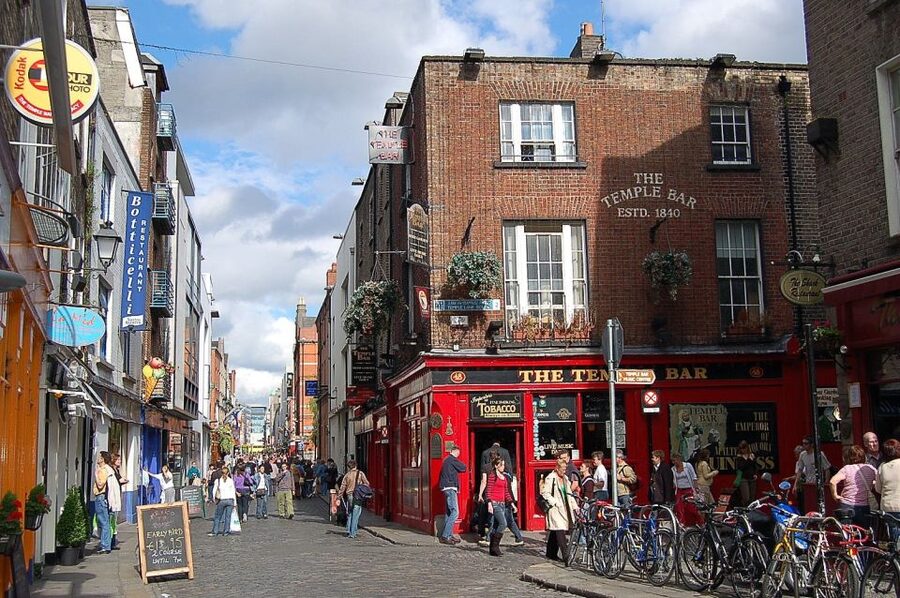
Meeting House Square and the Temple Bar area come next. Many visitors know Temple Bar for its pubs and nightlife, but this tour gives you more than a quick pub district photo.
Meeting House Square helps reveal a quieter side of the quarter. The guide also points out details that are easy to miss when you are focused on the best-known streets. This is one reason the route works well for a first visit: you see the headline district, then get a little help looking past its most obvious image.
The tour also includes an amusing representation of a da Vinci painting. It is the sort of curious detail that gives the walk personality. I would not book the tour solely for one odd sight, but these small discoveries make the route feel less like a standard checklist.
The area can be busy, especially around popular streets and pedestrian crossings. A small group helps, and the stated maximum of 16 people is a useful limit. Additional guides are provided when needed, so the experience is not designed around one oversized crowd.
A few more Dublin half-days to weigh up
- Dublin to Cliffs of Moher, including Wild Atlantic Way and Galway
★ 5.0 · 23,331 reviews - From Dublin: Cliffs of Moher, Burren & Galway City Day Tour
★ 4.8 · 18,888 reviews - Dublin: Guinness Storehouse Entry Ticket
★ 4.6 · 16,863 reviews - Dublin to Cliffs of Moher, Burren, Wild Atlantic Way, Galway Tour
★ 5.0 · 12,924 reviews
Crossing the Liffey by Millennium Bridge
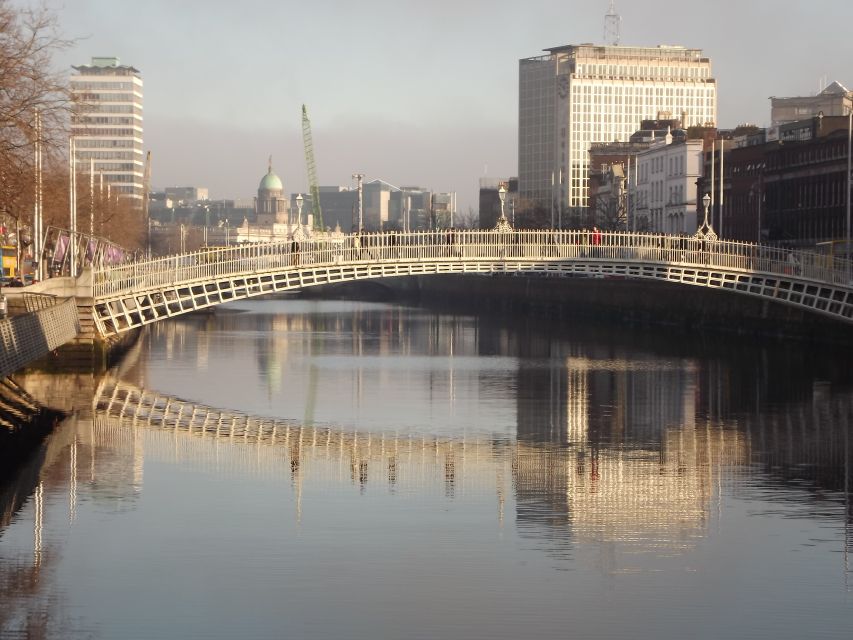
The Millennium Bridge brings the route across the River Liffey. This is a natural change of scene: you leave the medieval quarter and Temple Bar behind, then enter the northside city.
The bridge itself is part of the fun. The guide may invite you to feel its slight bounce, a memorable physical detail that children and curious adults usually appreciate. It also offers a clear sense of how compact central Dublin is, with the river acting as a geographic divider rather than a barrier.
From here, the Italian Quarter adds another unexpected stop. Dublin sightseeing often focuses on grand Georgian buildings, literary landmarks, and pubs. A district with an Italian connection gives the route another thread and shows how the center contains more variety than its standard image suggests.
This crossing is also a practical marker. If you are not comfortable walking continuously, the route’s movement from one side of the river to the other is worth considering. One review specifically wished for a slower pace, although other feedback praised the walking speed as comfortable and well judged.
St Mary’s Church and the city’s everyday layers
St Mary’s Church is one of the tour’s more surprising stops because the former church now operates as a famous café and bar. It is a strong example of Dublin’s habit of reusing old buildings rather than leaving them frozen in one role.
You will see the outside during the main walk, with the guide explaining the building’s unusual change of purpose. The tour also points out a former Lisbon tram now serving as a café. Together, these stops show a side of Dublin that is practical, slightly quirky, and easy to miss without local direction.
Henry Street and Moore Street bring the walk into a more everyday part of central Dublin. These streets help balance the formal landmarks with shopping streets, market life, and the ordinary movement of the city.
I like this change of tone. A city tour should not make every stop sound grand. Some of the most useful information is knowing where the historic core gives way to working streets and modern Dublin. Your guide can also suggest places to return to after the tour, as Katie did for one group.
O’Connell Street and the memory of 1916
O’Connell Street is one of the route’s most important stretches. The General Post Office is central to the story of the 1916 Rising, when rebels used the building as their headquarters. The fighting caused major destruction to the building and much of the surrounding street.
The guide also points out the O’Connell Monument and uses the street to explain the political changes that shaped modern Ireland. This is a place where a short stop can carry considerable weight, especially when the guide connects the architecture to the people who lived through the events.
You will not receive a museum-style lecture. The strength of this walk is its human scale. The guides are encouraged to tell stories that make the buildings and streets easier to remember. That may be why the strongest feedback focuses on delivery, humor, welcome, and the ability to answer questions.
Jacob was praised for his patience with questions and for helping with directions after the tour. That kind of practical help matters on a first day in Dublin. You can use the walk to ask about the rest of your visit, though the tour itself remains focused on the central route.
Former Parliament House and the walk toward Trinity
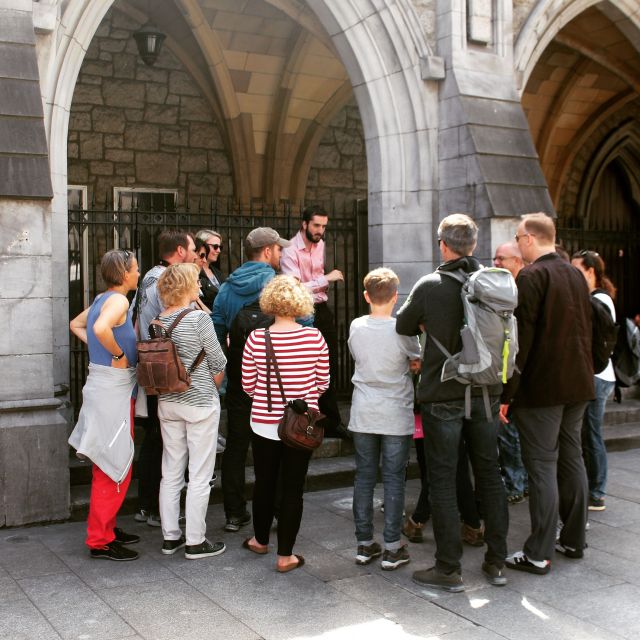
The former Parliament House, now the Bank of Ireland, brings the southside route back into focus near the end. Its political and architectural story rounds out the material introduced at City Hall, Dublin Castle, and the General Post Office.
The walk finishes around Trinity College, with the famed Book of Kells as the final reference point. The tour does not include entry, so you should treat this as a useful point for planning a separate visit. Seeing Trinity at the end gives you a clear next stop if you want to continue sightseeing on your own.
There is one practical detail worth checking before you set off. The route description places the finish outside Trinity College, while the meeting information says the activity ends back at the meeting point. Confirm the exact end location when booking so you can plan your afternoon accurately.
The final area is well suited to extending your day. You can decide later if you want to visit Trinity, return to a street you passed earlier, or simply stop for a meal. Because the walk gives you both sides of the Liffey, you finish with a useful mental map rather than a single isolated attraction.
Guides, group size, and the feel of the walk
The guide is the heart of this experience. Named guides include Joe Brennan, John O’Flynn, Katie, Dave, and Jacob, though your guide will depend on the departure. The most praised traits are consistent: clear delivery, a good sense of humor, friendly conversation, local knowledge, and a pace that generally keeps the group together.
Joe Brennan was singled out for an excellent delivery and a well-judged walking pace. John O’Flynn was praised for making architectural and political subjects approachable. Katie’s humor and recommendations helped one group plan the rest of its stay, while Jacob was valued for patience and practical help.
A maximum of 16 people is a real benefit in a city with narrow streets and busy crossings. It is easier to hear the guide, ask questions, and stay connected to the group. The advertised group may be smaller, and additional guides are provided when needed.
Still, this is not a private tour. If you want to stop for long photographs at every building, you may find the schedule brisk. I would tell the guide at the start if you need a slower pace, and I would avoid carrying anything that makes steady walking harder.
Is $31 a fair price?
At $31 per person, I consider this a sensible price for a 2.5-hour small-group walk through central Dublin. You are paying for a professional English-speaking guide, a planned route across both sides of the Liffey, and the local stories that are difficult to assemble on your own.
The value is strongest if you are new to Dublin. You see the city’s main landmarks, learn how the old quarters connect, and collect ideas for later visits. The route also includes enough unusual details to keep it from feeling like a simple march between famous buildings.
The value is lower if you mainly want paid entry to attractions. No interior visits are included, and gratitude for the guide is not included in the price either. Budget separately for any sites you choose to enter after the walk and for a tip if you feel the guide earned one.
Free cancellation up to 24 hours before the tour and the option to reserve now and pay later make the booking fairly flexible. The tour is wheelchair accessible, and the language is English.
Who should book this Dublin walk?
I would choose this tour for a first or second day in Dublin, especially if you want to understand the center before spending time inside individual attractions. It suits couples, solo visitors, families, and anyone who prefers stories and local oddities to a long formal lecture.
It is also a good match if you want a guide who can suggest what to do next. The route ends near Trinity according to the walking description, and the guides have been praised for offering useful directions and recommendations beyond the formal stops.
I would be more cautious if you dislike city walking, need frequent long breaks, or want guaranteed access inside Dublin Castle, Christ Church Cathedral, or Trinity College. Those are possible follow-up visits, not included parts of the walk.
Should you book it?
Book this tour if you want a friendly, fact-filled introduction to Dublin that covers the major center while leaving room for surprises. The strongest reasons are the small group, the range of guides, and the way the route links political events, old streets, unusual buildings, and everyday city life.
Skip it only if you already know central Dublin well or would rather spend 2.5 hours inside one attraction. For most first-time visitors, $31 buys a useful orientation, a handful of stories you will remember, and a better sense of where to go next.
FAQ
How long does the Dublin Highlights and Hidden Corners Walking Tour last?
The tour lasts 2.5 hours. Starting times vary, so check availability when choosing a date.
Where does the walking tour start?
It starts at the Tree of Gold statue, also called Crann an Óir, at Central Plaza on Dame Street, Dublin 2, near the corner of Dame Street and Fownes Street Upper.
What language is the tour offered in?
The live tour is offered in English.
Does the tour include entry to Dublin Castle, Christ Church Cathedral, or Trinity College?
No. The visits are external, although you may have opportunities to visit some of the sites separately after the tour. The Book of Kells at Trinity College is not included.
How large is the tour group?
The maximum group size is 16 people, and the group is often smaller. Additional guides are provided when required.
Is the tour wheelchair accessible?
Yes, the activity is listed as wheelchair accessible. It is still sensible to confirm any personal route needs when booking, since the experience takes place on city streets and crosses the River Liffey.
Just added around Dublin
- Women Of Ireland: Trailblazers & Pioneers★ 5.0 · 4 reviews
- Wicklow tour of Glendalough★ 4.5 · 8 reviews
- Full Day Private Wicklow Tour★ 5.0 · 12 reviews
- Wicklow Mountains & Glendalough Luxury Private Day Tour★ 5.0 · 23 reviews
- Premium Irish Whiskey Tasting Hosted by Local Dublin Expert★ 5.0 · 77 reviews
- Whiskey Tasting Tour of Dublin★ 5.0 · 117 reviews
- Dublin To Kilkenny Castle Waterford Crystal Private Car – Day Tour★ 5.0 · 8 reviews
- Historical Walking Tour of Dublin★ 5.0 · 50 reviews
Walking Tours, compared.
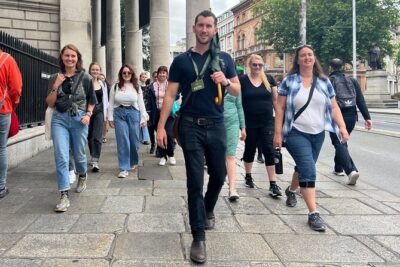
Dublin Highlights and Hidden Gems Guided Walking Tour
Read our review →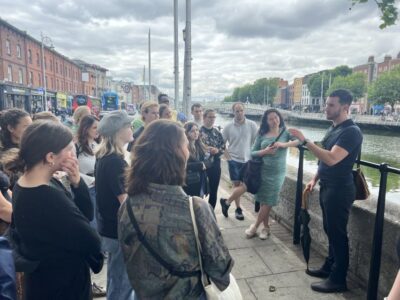
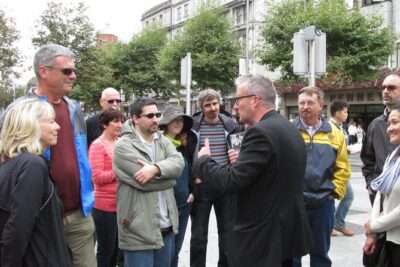

90 Minute Dublin Walking tour and Sightseeing tips
Read our review →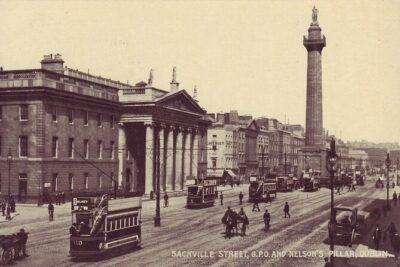

Historical 2-Hour Guided Walking Tour of Dublin
Read our review →
Dublin Traditional Irish 3 Course Meal Walking Tour with Local
Read our review →
Browse the lists this tour appears in