
Reviewed · WALKING TOURS
Dublin: Highlights and Hidden Gems Walking Tour
Dublin’s past is packed into a compact city center, and this walking tour makes a useful first pass through it. I like the way it links Viking Dublin and medieval lanes with the later city of Georgian boulevards, rebels, writers, and rock stars. I also like that guides such as Ian, Keith, Alan, Dave, Kieran, Emily, and Karl bring their own humor and local perspective.
The main tradeoff is pace. Two hours is enough to get your bearings, but not enough for long visits inside every landmark. One report described a tour that ran close to three hours without a food or toilet break, so you should arrive ready to walk and use facilities beforehand.
Key points at a glance
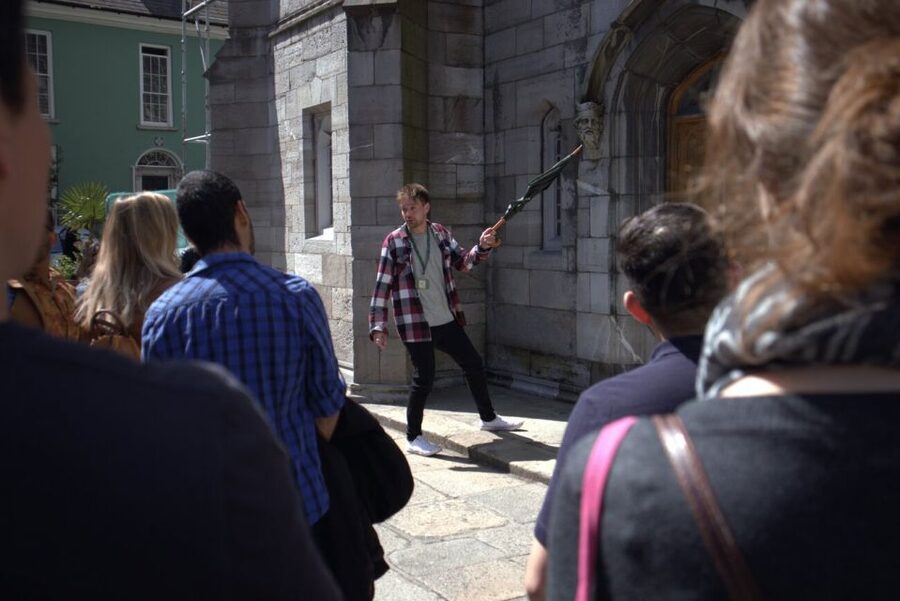
- A useful first look at central Dublin: The route connects Temple Bar, Dublin Castle, Christchurch Cathedral, the Liffey, the GPO, and Trinity College.
- History told through characters: Expect stories about Vikings, rebels, writers, rogues, rock stars, and the people who shaped Dublin.
- A guide-led city orientation: Ian, Keith, Alan, Dave, Kieran, Emily, Karl, and other accredited guides have been praised for humor, clear storytelling, and practical advice.
- More than a checklist of sights: The walk includes lesser-known corners, Smock Alley Theatre, Viking Dublin, and medieval Dublin.
- Good value at $27: You get two hours with a local guide and recommendations for food, drink, music, activities, and souvenirs.
- Simple meeting point: Meet outside The Old Storehouse pub, look for the green umbrella, and arrive at least ten minutes early.
Why this tour works as a Dublin introduction
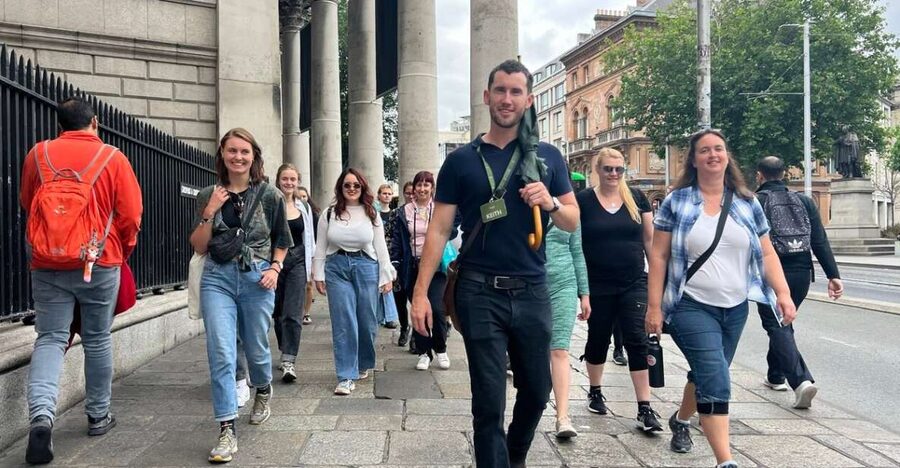
I often recommend a city walk early in a trip because it gives the streets a story before you explore them on your own. Dublin is especially suited to this approach. Its center is compact, but its past reaches from Viking settlement to medieval rule, Georgian expansion, Victorian poverty, independence, and modern cultural life.
This tour is built around that long sweep. You are not simply moving from one photo stop to the next. The guide explains how different periods overlap, so Dublin Castle, Christchurch Cathedral, Temple Bar, and the River Liffey begin to feel like parts of one city rather than separate attractions.
The format also suits visitors who want a sense of Dublin without committing to a full-day excursion. At $27 per person, the price is reasonable for a two-hour guided walk, especially if your guide is one of the strong storytellers praised by name, including Ian, Keith, Alan, Dave, Kieran, James, Emily, Karl, Gemma, Helena, and Chris.
You should keep your expectations in the right place. This is an outdoor city tour, not a series of museum admissions. The value comes from context, local advice, and the chance to see several major sights efficiently.
More Walking Tours in Dublin
- Dublin Highlights and Hidden Gems Guided Walking Tour
★ 5.0 · 6,020 reviews - 1916 Rebellion Walking Tour
★ 5.0 · 1,605 reviews - 90 Minute Dublin Walking tour and Sightseeing tips
★ 5.0 · 916 reviews
Meeting the guide outside The Old Storehouse
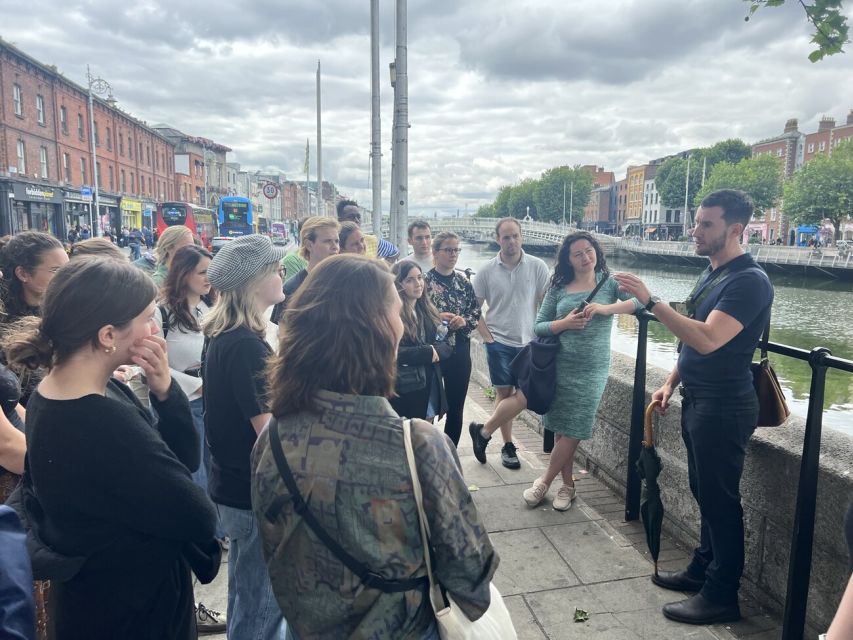
The walk begins outside The Old Storehouse pub. Look for the green umbrella, which is the key visual clue at a busy meeting area. Arrive at least ten minutes before the scheduled start and have your booking ready for the guide.
The tour ends back at the same meeting point. That makes the walk easy to fit into a day of sightseeing, since you return to a central part of town rather than being left across the city.
The exact start time depends on availability, so check the schedule when you book. Hotel pickup and drop-off are not included. You need to make your own way to the meeting point, but the central location makes this a practical choice for anyone already sightseeing in Dublin City Centre.
The tour is conducted in English and is wheelchair accessible. Since this is a walking experience on city streets, comfortable shoes and weather-ready clothing are sensible, though those details are practical advice rather than included equipment.
Temple Bar and Dublin’s older street pattern
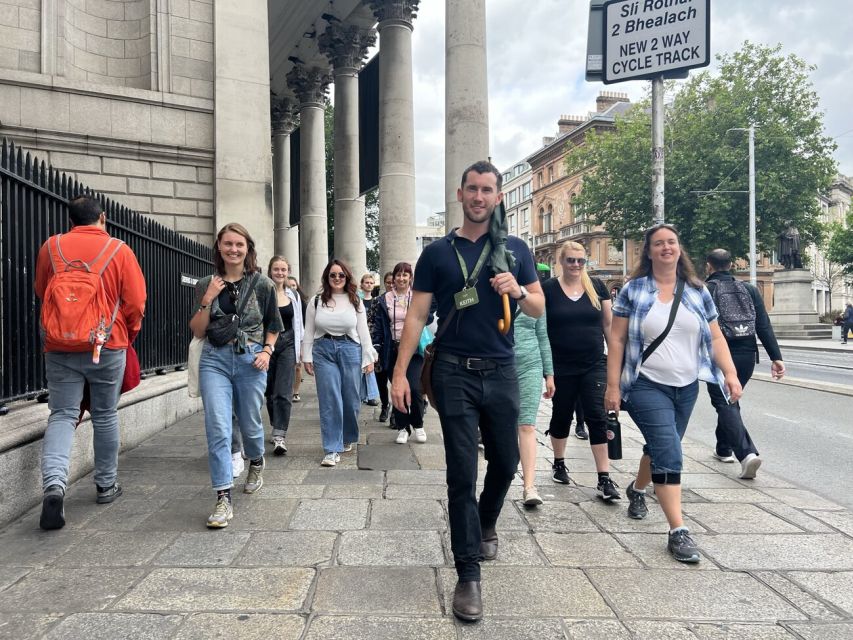
Temple Bar is one of Dublin’s best-known areas, famous for pubs, music, and narrow streets. It is also an easy place to see how the modern tourist image of Dublin can sit on top of a much older urban story.
Your guide uses the area as part of the larger account of Dublin’s growth. You will hear about the medieval city and the people who lived, worked, and caused trouble in it. That can give Temple Bar more depth than its usual role as a nightlife stop.
I would not treat this part of the walk as a pub crawl. Food and drinks are not included, and the focus is on history and orientation. Still, the guide’s recommendations can help you decide where to eat, drink, hear live music, and avoid places that may not suit your budget or interests.
The route also includes Smock Alley Theatre, a useful stop for understanding Dublin’s performance culture. It adds a cultural note to the walk and keeps the itinerary from becoming only churches, government buildings, and bridges.
Dublin Castle and the city’s changing power
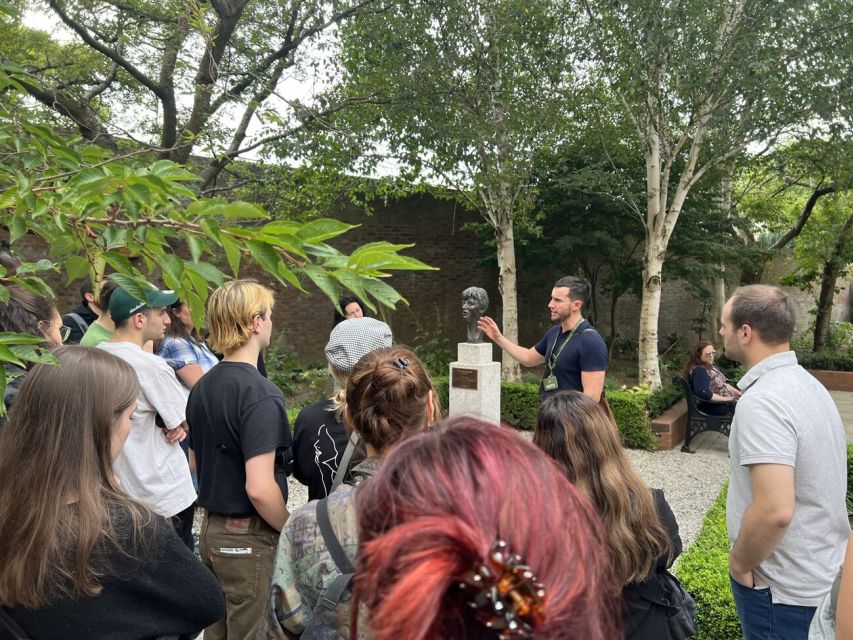
Dublin Castle is one of the essential stops because it represents the city’s long political story. The tour does not promise an extended interior visit, so you should think of this as a guided look at the landmark and its place in Dublin’s past.
The guide’s job here is to connect the building with the people and events that gave it importance. The experience is stronger when you hear how power shifted through the city, rather than simply taking a picture of a historic façade.
This is where an accredited local guide can add real value. A plaque gives you a date and a name. A good guide explains why the site mattered, how Dublin changed around it, and how the city’s past still affects the way people understand Ireland.
The route’s broad time span is one of its best features. You move from Viking origins through medieval Dublin, then toward the political and social struggles that shaped the modern country. The story is not presented as a neat upward climb. Dublin’s rise, decline, and revival are all part of the account.
A few more Dublin half-days to weigh up
- Dublin to Cliffs of Moher, including Wild Atlantic Way and Galway
★ 5.0 · 23,331 reviews - From Dublin: Cliffs of Moher, Burren & Galway City Day Tour
★ 4.8 · 18,888 reviews - Dublin: Guinness Storehouse Entry Ticket
★ 4.6 · 16,863 reviews - Dublin to Cliffs of Moher, Burren, Wild Atlantic Way, Galway Tour
★ 5.0 · 12,924 reviews
Christchurch Cathedral and Viking Dublin
Christchurch Cathedral provides another strong link to the early city. Along with the Viking section of the walk, it helps you picture Dublin before the broad avenues and civic buildings most visitors recognize today.
The Viking story is particularly useful because it gives Dublin an earlier identity than its later Irish, English, Georgian, and modern associations. You are introduced to the city’s origins before moving through its medieval development.
Do not expect a long cathedral visit as part of the advertised route. The emphasis is on walking, explanation, and seeing the city in context. If you want to tour every interior, climb every tower, or spend time studying exhibits, you will need separate visits.
That limitation is also what lets the guide cover so much ground. In a short outing, you get a working outline of the city. I find that useful on a first day, since it helps you decide which places deserve a longer return visit.
The River Liffey and Dublin’s bridges
The route reaches the River Liffey, including the Ha’Penny Bridge and O’Connell Bridge. These crossings are more than convenient photo stops. They help you understand Dublin’s layout and the way the river divides and connects the city center.
The Ha’Penny Bridge is one of the city’s most familiar sights. O’Connell Bridge offers a different sense of scale and direction. Together, they make good orientation points for later walks.
The river section also gives the tour a change of rhythm. After the tighter streets around Temple Bar and the older landmarks, the open views along the Liffey help you place the central districts in relation to one another.
Your guide may also point out details you could easily miss while walking alone. The tour description promises access to favorite local secrets and lesser-known corners, though the exact stops can vary with the guide and the group. That variation is worth accepting because it allows guides such as Dave, Chris, or Emily to bring their own interests and local knowledge into the walk.
The GPO, rebels, and modern Dublin
The General Post Office, or GPO, brings the tour into Ireland’s more recent political story. It is one of the most important stops for understanding rebellion, national identity, and the difficult path toward modern Ireland.
The guide presents Dublin through its characters as well as its buildings. Writers, rebels, rock stars, and rogues all appear in the story, which keeps the walk from becoming a dry sequence of dates.
This human focus is a major reason the tour earns strong marks. Ian is described as witty and humorous, Keith as personable and passionate, and Alan as organized, friendly, funny, and relatable. Kieran is praised for making the experience interactive while looking after the group. Those qualities matter because a city walk depends heavily on delivery.
The political material may also require some attention. Dublin’s past is not only cheerful pub stories and amusing local characters. It includes conflict, hardship, and social change. A guide willing to explain the full story gives you a more useful understanding of the city than a polished series of easy anecdotes.
Trinity College and the end of the route
Trinity College is another major Dublin landmark included on the walk. The college is a natural final anchor because it brings the route toward one of the city’s best-known academic and cultural institutions.
Again, this is a walking tour rather than a ticketed college visit. You should not assume that the price includes entry to Trinity’s interiors or attractions. The benefit is the guide’s explanation of the college’s place in Dublin and the chance to see it as part of the city center route.
Ending back at The Old Storehouse keeps the experience practical. After two hours, you can continue to Trinity College, revisit the Liffey, stop for food, or use the guide’s suggestions for music and other activities.
One useful feature is that the guide can help shape the rest of your stay. If you ask questions during or after the walk, you may get recommendations for where to eat, drink, find live music, or buy souvenirs. That kind of advice can be worth as much as another monument on the route.
How the guides shape the experience
The guide is the heart of this tour. The route itself includes famous stops, but you can visit many of them without paying for a walk. What you are buying is the explanation between those stops.
Several guides receive specific praise for combining facts with humor. James is described as entertaining and able to hold attention. Helena and Gemma are praised for being friendly, funny, and well informed. Karl brings personal stories and cultural perspective, while Chris is credited with engaging the group well.
That range suggests a lively, personality-led format rather than a fixed audio script. I like that for Dublin, where the best stories often depend on tone, timing, and a guide’s ability to explain complicated subjects in plain language.
The possible downside is that different guides will have different styles. One may focus more on political history, another on local characters or jokes. The experience should remain centered on the listed sights and themes, but you should not expect every departure to sound identical.
Pace, comfort, and what to bring
The advertised duration is two hours. That is long enough for a substantial city introduction but short enough to fit before dinner, a museum visit, or an evening of music.
The walk may run longer. One account described nearly three hours without a break for a snack or toilet. I would use a restroom before meeting the group and carry water, especially if you are joining during a warm spell or plan to continue sightseeing afterward.
There is no food or drink included. That keeps the cost down, but it also means you should not count on a built-in café stop. Since the tour ends where it starts, you can plan a meal before or after it.
The experience is wheelchair accessible, which makes it more practical for many visitors. The exact comfort of any city walk can depend on pavement, crowding, and weather, but the tour is designed around Dublin City Centre rather than transport between distant sites.
Who will get the most from this walk
I would choose this tour for a first visit to Dublin, especially if you want to understand the city before selecting your own museums, churches, pubs, and neighborhoods.
It is also a good match for visitors who enjoy history when it is told through people. The mix of writers, rebels, rock stars, and rogues gives the tour a broader feel than a strictly architectural walk.
Families and mixed-age groups may appreciate the humor and short format, though the amount of walking and the lack of a scheduled break are worth considering. People with only a short stay can also get strong value from the number of landmarks covered in two hours.
You may want something else if your priority is entering Dublin Castle, Christchurch Cathedral, or Trinity College for extended visits. In that case, book the walk for orientation, then allow separate time and budget for interiors.
Is $27 a fair price?
At $27, this is a sensible buy if you use the tour as a starting point for the rest of your trip. You get a local guide, a two-hour route through central Dublin, historical and cultural explanation, and recommendations for later meals, music, activities, and shopping.
The value is strongest when your guide is an engaging storyteller. A list of sights alone would not justify much of a fee, but clear interpretation can save you time and help you choose which places deserve a closer look.
The price does not include meals, drinks, transport, hotel pickup, or admission to attractions. Keep that in mind when comparing it with bus tours or ticketed guided visits. This is a compact walking orientation, not an all-inclusive sightseeing package.
Free cancellation up to 24 hours before the start and the option to reserve now and pay later make it easier to fit into a changing itinerary. Those booking terms are useful, but the main reason to choose the tour is still the guide-led storytelling.
Should you book the Dublin Highlights and Hidden Gems Walking Tour?
Book it if you want a lively introduction to Dublin’s center, prefer walking to riding past sights, and enjoy a guide who can connect buildings with people and events. The route covers the essential landmarks while also making room for Viking Dublin, medieval streets, Smock Alley Theatre, and local recommendations.
I would especially suggest it for first-time visitors with two hours to spare. Arrive early at The Old Storehouse, find the green umbrella, wear comfortable shoes, and use the toilet before setting off.
Skip it if you need long interior visits, a guaranteed break, or a tightly timed itinerary with no chance of a tour running over. For most visitors, though, $27 buys a useful city overview and a better sense of what makes Dublin worth exploring on foot.
FAQ
How long does the Dublin walking tour last?
The advertised duration is two hours. One account described a tour lasting close to three hours, so you should allow some extra time in your schedule.
Where does the tour begin?
Meet outside The Old Storehouse pub. Look for the green umbrella and arrive at least ten minutes before the scheduled start.
Where does the tour finish?
The tour ends back at the meeting point outside The Old Storehouse.
Which Dublin sights are included?
The route includes Temple Bar, Dublin Castle, Christchurch Cathedral, Viking Dublin, medieval Dublin, Smock Alley Theatre, the River Liffey, the Ha’Penny Bridge, O’Connell Bridge, the GPO, and Trinity College.
Is the tour offered in English?
Yes. The live guide speaks English, and English is the listed tour language.
Is the tour wheelchair accessible?
Yes, the activity is listed as wheelchair accessible.
What is included in the price?
The price includes a local guide, a walking tour of Dublin City Centre, an exploration of Irish history and culture, and tips for making the most of your trip. Food, drinks, hotel pickup, and hotel drop-off are not included.
Just added around Dublin
- Women Of Ireland: Trailblazers & Pioneers★ 5.0 · 4 reviews
- Full Day Private Wicklow Tour★ 5.0 · 12 reviews
- Wicklow Mountains & Glendalough Luxury Private Day Tour★ 5.0 · 23 reviews
- Wicklow tour of Glendalough★ 4.5 · 8 reviews
- Premium Irish Whiskey Tasting Hosted by Local Dublin Expert★ 5.0 · 77 reviews
- Whiskey Tasting Tour of Dublin★ 5.0 · 117 reviews
- Dublin To Kilkenny Castle Waterford Crystal Private Car – Day Tour★ 5.0 · 8 reviews
- Historical Walking Tour of Dublin★ 5.0 · 50 reviews
Walking Tours, compared.
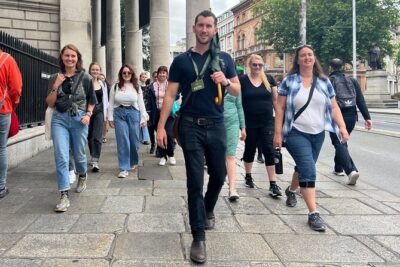
Dublin Highlights and Hidden Gems Guided Walking Tour
Read our review →

90 Minute Dublin Walking tour and Sightseeing tips
Read our review →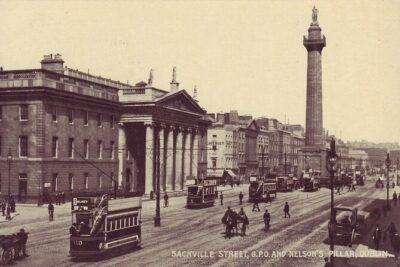

Historical 2-Hour Guided Walking Tour of Dublin
Read our review →
Dublin Traditional Irish 3 Course Meal Walking Tour with Local
Read our review →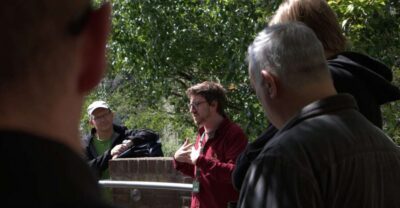
Browse the lists this tour appears in