
Reviewed · HISTORICAL TOURS
Historical 2-Hour Guided Walking Tour of Dublin
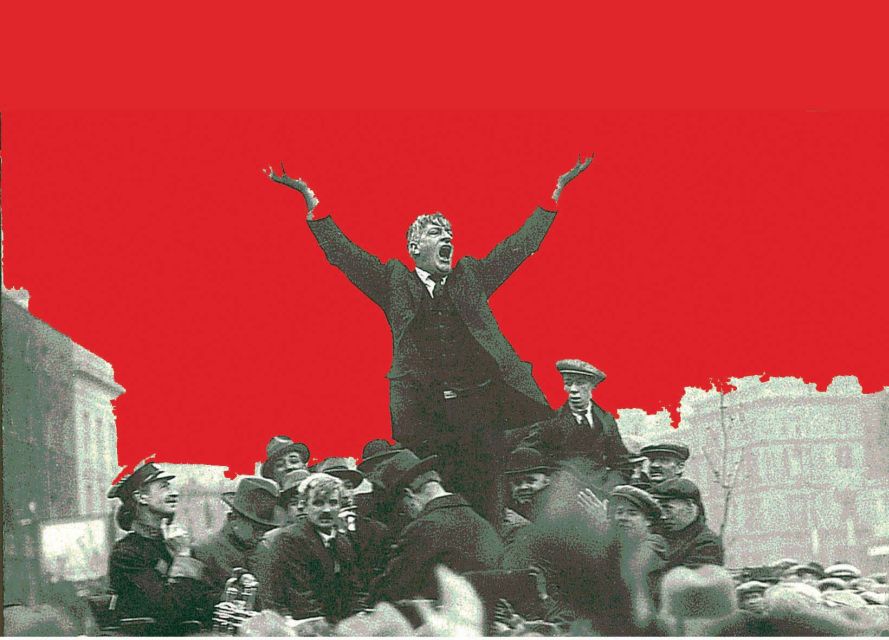
Dublin’s past comes at you fast on this two-hour walking tour, from medieval streets and Dublin Castle to the 1916 Rising, the War of Independence, and the Northern Ireland Peace Process. Guides trained in history at Trinity College Dublin or University College Dublin keep the story moving with wit, music, and sharp local detail. I like the clear chronological thread, and I like how the tour ties major events to the buildings and streets around you. The main catch is that two hours leaves little room for long stops or interior visits.
I also like the price: at $22 per person, you get a useful first look at central Dublin without committing half a day. Guides such as Daragh, Colm, Jodie, Jody Fitzpatrick, Eoin, and Nate have earned praise for making dates and names easy to follow. Bring good walking shoes, and expect English-only commentary that can feel dense if you prefer a slow, light introduction.
Key points at a glance
- Irish history in chronological order: Move from early Ireland through the Famine, the 1916 Rising, independence, and Brexit-era developments.
- Major central sights: See Dublin Castle, Temple Bar, City Hall, and the Medieval City on foot.
- History graduates as guides: Guides from Trinity College Dublin and University College Dublin combine academic training with humor and storytelling.
- Small details matter: Look for traces such as bullet holes and hear how ordinary streets connect to national events.
- A lively delivery: Some guides use songs, personal anecdotes, acting skills, and Irish wit to break up the facts.
- Simple two-hour format: Begin and end at the Henry Grattan Statue opposite Trinity College, with free cancellation up to 24 hours before departure.
Why this Dublin history walk works so well
Many Dublin tours give you a list of old buildings. This one tries to explain why those buildings matter. That makes a big difference in a city where English, Viking, medieval, Georgian, revolutionary, and modern Irish stories overlap in a compact center.
You meet at the Henry Grattan Statue opposite the front gate of Trinity College. Look for a guide wearing an Authenticity Tours lanyard or badge. From there, the route stays in central Dublin and returns to the same meeting point, a useful arrangement if you have a dinner reservation or another activity afterward.
The strongest feature is the way the guides connect events instead of treating them as separate lessons. The American and French revolutions help explain political ideas in Ireland. The Potato Famine leads into questions of land, power, and emigration. The 1916 Rising and War of Independence then make more sense as part of a longer struggle, rather than isolated dates from a textbook.
That structure is especially helpful if you know only the broad outline of Irish history. You will hear plenty of names and dates, but the guide’s job is to show how one period leads into the next. Jodie, Daragh, Colm, Eoin, Grace, Tommy, and Nate are among the guides praised for this mix of detail and clarity.
More Historical Tours in Dublin
- Dublin Historical Centre Food Tour with 8 Food Tastings & Drinks
★ 5.0 · 1,718 reviews - 2-Hour Historical Walking Tour from Dublin
★ 5.0 · 875 reviews - Dublin to Cork, Blarney Castle & Cóbh Heritage Centre by train
★ 4.5 · 510 reviews
Dublin Castle and the city’s medieval core
Dublin Castle is one of the essential stops. It represents centuries of English and British administration in Ireland, and its position in the old center makes it a natural place to discuss authority, resistance, and the changing shape of Dublin.
Do not expect a lengthy castle visit as part of this walk. Entrance to the State Apartments is not included, so the tour focuses on the site and its historical setting rather than a full interior visit. That is both a limitation and a practical choice. A two-hour walking tour can keep moving, but anyone wanting rooms, furnishings, and a longer look inside should plan a separate castle visit.
The Medieval City around the castle gives the tour a more physical sense of Dublin’s age. You walk through streets and spaces where the city’s earliest urban story is easier to picture. The point is not simply to admire old stone. It is to understand how Dublin developed as a center of power, trade, religion, and government.
This portion can feel packed with information. That is where the guide’s delivery matters. Colm has been praised for linking historical facts with personal stories and humor, while Daragh is known for handling names and dates with ease. If you enjoy history presented with energy, this is likely to be one of the most rewarding parts of the route.
Temple Bar beyond the pub signs
Temple Bar is now one of Dublin’s best-known districts, but the tour places it in a wider story than nightlife and music. You will see the area as part of the old city, with its location and streets helping explain how Dublin changed over time.
This is a useful correction to the usual Temple Bar experience. On your own, it is easy to pass through, take a photo, and move on to the next pub. With a guide, you get a reason to look at the area as a historical district rather than just an entertainment quarter.
The tour is not designed as a food, pub, or music crawl. Its purpose is to give you context, so keep your expectations clear. You will hear stories and see important places, but personal spending, drinks, and other purchases are not included.
City Hall and the politics of Dublin
City Hall provides another strong setting for discussing how Dublin was governed and how political power changed. The building helps shift the story from medieval administration toward the city and nation that developed in later centuries.
This is where the tour can make abstract politics feel more tangible. Revolutions in America and France, Irish political movements, and the push toward independence are easier to grasp when your guide places them beside civic buildings and streets where power was exercised.
The guides do more than recite a prepared script. The strongest ones answer questions easily and adjust the explanation when someone wants more detail. Jodie Fitzpatrick, described as both a history graduate and an actor, is especially noted for turning the past into something lively and memorable. Other guides use songs connected with the events they discuss, an effective way to give a long sequence of dates a human voice.
More Walking Tours in Dublin
- Dublin Highlights and Hidden Gems Guided Walking Tour
★ 5.0 · 6,020 reviews - Dublin: Highlights and Hidden Gems Walking Tour
★ 4.9 · 2,140 reviews - 1916 Rebellion Walking Tour
★ 5.0 · 1,605 reviews - 90 Minute Dublin Walking tour and Sightseeing tips
★ 5.0 · 916 reviews
The Famine, the 1916 Rising, and independence
The tour’s central historical weight comes from its treatment of Ireland’s turbulent modern past. The Potato Famine is not presented as a detached tragedy. It forms part of the larger story of land, British rule, poverty, migration, and political anger.
You then move toward the 1916 Rising and the War of Independence. These subjects need care because they involve competing memories and strong emotions. A good guide gives you the background before asking you to consider the consequences, and that is the approach this tour aims to take.
You should be ready for a serious amount of information. One guide may make it feel like a lively performance, while another may lean more toward a lecture. That variation comes with a live guide, but the consistent strength is the academic grounding behind the tour.
Small physical clues can make this section especially memorable. Daragh has been praised for pointing out details such as bullet holes, reminders that national history was not confined to grand speeches or famous monuments. Dublin’s streets can preserve evidence of conflict in places you might otherwise pass without a second look.
From the peace process to modern Dublin
The walk does not stop at independence. It also addresses the Northern Ireland Peace Process and the effects of more recent political change, including the era of Brexit.
That modern section matters because Irish history is not safely sealed in the past. The relationship between Ireland, Britain, and Northern Ireland continues to shape politics and identity. Connecting older events with the peace process gives you a more useful understanding of why certain subjects remain sensitive.
The tour also brings you back to present-day Dublin. After hearing about revolution, famine, administration, and conflict, you can look at the city around you with a better sense of how the past still informs public life.
This is one reason I would take the tour near the start of a Dublin visit. It gives you background for later visits to museums, memorials, political sites, and historic buildings across Ireland. You do not need to know Irish history in advance, though anyone who already understands the broad outline will get more from the references and personalities.
The guides make or break the experience
The guide is the heart of this tour. You are not listening to an audio recording or following a printed route. You are relying on a person to balance facts, pacing, humor, questions, and the noise of central Dublin.
The strongest guide reports describe people who are warm, funny, and deeply prepared. Colm combines historical detail with anecdotes and even sings verses connected to the subjects at hand. Daragh is praised for his passion, pride in Ireland, and ability to explain the relevance of each story. Jodie and Jody Fitzpatrick are noted for clear delivery and a lively sense of performance.
Eoin, Nate, Grace, and Tommy also receive praise for friendly, engaging presentations. The exact guide depends on the departure, so you should not book on the assumption that one named person will lead your group. Still, the repeated pattern is clear: this is a guide-led history lesson with personality, not a simple walk between photo stops.
English is the only listed language. The tour can include a large number of facts, dates, and names, and one participant specifically noted that good English skills help with following everything. If you prefer short explanations with lots of free time, this may feel dense. If you enjoy a well-organized story and asking questions, you are likely to appreciate the format.
How demanding is the two-hour walk?
The route is described as an easy city walk, but you will be on your feet for about two hours. You stop often for explanations, yet this is still a walking tour, not a vehicle-based sightseeing trip.
Wear comfortable shoes. That simple advice comes up for a reason. Central Dublin involves streets, crossings, and standing while the guide speaks. The tour is wheelchair accessible, which makes it suitable for many visitors with mobility needs, although you may still want to confirm any personal access requirements before booking.
Noise is another practical issue. Dublin’s center can be loud, but Jodie has been praised for projecting clearly enough to be heard despite city sounds. Stay reasonably close to the guide so you do not miss names or key points, especially during the busiest parts of the route.
The activity starts and ends at the Henry Grattan Statue, so you do not need to arrange transport between the first and last stop. Starting times vary, and you need to check availability for the date you want.
Is $22 a fair price?
At $22, this is a strong-value introduction to Dublin’s central story. You receive a two-hour guided walk, a local guide, and entrance fees where they apply along the route. The price is modest compared with a private guide, while the subject matter is broad enough to help you plan the rest of your time in Ireland.
The value depends on what you want. If you mainly want interior access to Dublin Castle, this is not the right ticket because the State Apartments are excluded. If you want a clear orientation to the city and its political past, the price is easier to justify.
The tour can also save you time. Instead of trying to arrange Dublin Castle, Temple Bar, City Hall, and the Medieval City on separate visits, you see them within one connected story. You still need to return to places that deserve a longer look, but you will know which sites interest you most.
Personal expenses are not included. That mainly means you should budget separately for anything you buy during or after the walk.
Who should book this Dublin tour?
I would recommend it to first-time visitors who want historical context before exploring Dublin on their own. It also suits people who enjoy political history, Irish independence, social change, and the way old events continue to shape modern life.
History fans should be particularly happy with the depth. The guides can move from the Stone Age to Brexit-era developments in a single well-organized narrative, though the amount of material may feel like a fast class rather than a gentle stroll.
Families with older children and teenagers may enjoy the humor, songs, and visible traces of conflict. Younger children may struggle with the amount of talking, especially if they are not interested in history.
I would be more cautious if you want a relaxed photo walk, a food-focused outing, or a tour in another language. The experience is in English, and the content is the main event.
Booking, cancellations, and timing
You can reserve now and pay later, which helps if your Dublin plans are still shifting. You can also cancel up to 24 hours in advance for a full refund.
The meeting point is the Henry Grattan Statue opposite Trinity College’s front gate. Your guide should have an Authenticity Tours badge or lanyard. The walk ends back at the same point, making it easy to continue toward Trinity College, Temple Bar, or another central appointment.
Give yourself enough time to find the statue before the start. Departure times vary, so check the available options rather than assuming a morning or afternoon schedule.
Should you book it?
Book this tour if you want a fast but serious introduction to Dublin’s past, delivered by a guide who can explain both the famous events and the small clues in the streets. The $22 price is fair, the route covers several essential central areas, and the return to Trinity College keeps the logistics simple.
Skip it if your main aim is a full interior visit to Dublin Castle, a slow architectural tour, or commentary in a language other than English. For most visitors who want to understand Dublin before exploring further, this two-hour walk is a smart first step. Bring good shoes, keep an open mind, and be ready for plenty of names, dates, jokes, and perhaps a song.
FAQ
How long is the Dublin historical walking tour?
The tour lasts two hours.
How much does the tour cost?
The listed price is $22 per person.
Where does the tour start?
Meet at the Henry Grattan Statue opposite the front gate of Trinity College in Dublin.
How do I identify the guide?
Your guide will wear a lanyard or badge with Authenticity Tours around their neck.
Where does the tour finish?
The activity ends back at the Henry Grattan Statue, the same place where it begins.
What language is the tour conducted in?
The live guided tour is conducted in English.
Is the walking tour wheelchair accessible?
Yes, the activity is listed as wheelchair accessible.
Is entry to the State Apartments at Dublin Castle included?
No. Entrance to the State Apartments in Dublin Castle is not included.
More 2-Hour Experiences in Dublin
- 2 Hour Walking Tour of Dublin’s City Centre
★ 5.0 · 63 reviews - Dublin: 2-Hour Premium Whiskey and Food Tasting Tour
★ 4.7 · 54 reviews - Dublin: 2 Hour City Center Guided Walking Tour
★ 4.9 · 12 reviews - 2-Hour Deluxe Whiskey & Food Tasting
★ 4.6 · 9 reviews
Just added around Dublin
- Women Of Ireland: Trailblazers & Pioneers★ 5.0 · 4 reviews
- Full Day Private Wicklow Tour★ 5.0 · 12 reviews
- Wicklow Mountains & Glendalough Luxury Private Day Tour★ 5.0 · 23 reviews
- Wicklow tour of Glendalough★ 4.5 · 8 reviews
- Dublin To Kilkenny Castle Waterford Crystal Private Car – Day Tour★ 5.0 · 8 reviews
- Premium Irish Whiskey Tasting Hosted by Local Dublin Expert★ 5.0 · 77 reviews
- Whiskey Tasting Tour of Dublin★ 5.0 · 117 reviews
- Historical Walking Tour of Dublin★ 5.0 · 50 reviews
Historical Tours, compared.

Dublin Historical Centre Food Tour with 8 Food Tastings & Drinks
Read our review →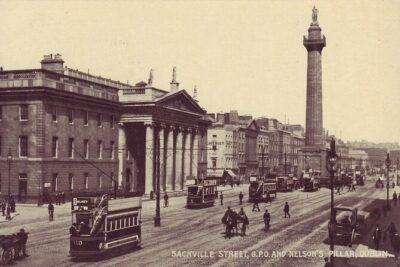
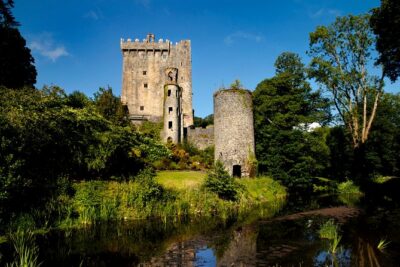
Dublin to Cork, Blarney Castle & Cóbh Heritage Centre by train
Read our review →
Jeanie Johnston Tall Ship Irish Famine History Tour
Read our review →

Deliciously Dublin: The Artisan Donut Walking & History Tour
Read our review →
Browse the lists this tour appears in