
Reviewed · HISTORICAL TOURS
Cobh: Guided Historic Walking Tour
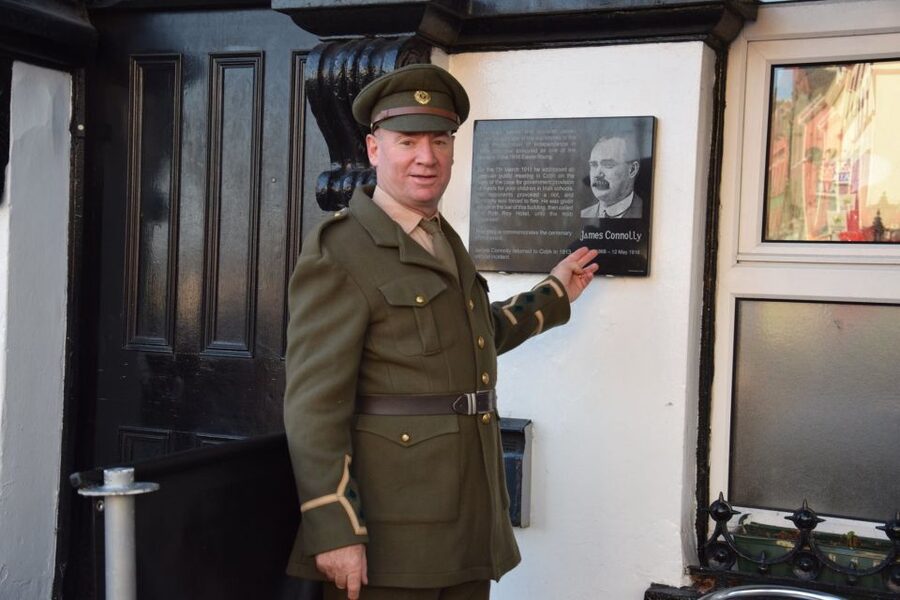
Cobh’s past is not kept behind glass here. You walk to the places where ambushes were planned, volunteers hid, and people were detained, while guide Kieran connects local streets to Ireland’s wider struggle for independence. I like the 16 real locations and the relaxed pace, which leaves room for questions instead of rushing from one stop to the next. I also like that admission to the Cobh Heritage Centre is included. The main drawback is practical: there is a small hill at the start, and the tour is not suitable for people with mobility impairments.
This is a strong choice if you want more than pretty harbor views and famous ocean-liner stories. Kieran brings personal research, local detail, and a conversational style, but you should bring comfortable shoes and rain gear. Cobh weather can change quickly, and this is an outdoor walking tour.
Key points to know before booking
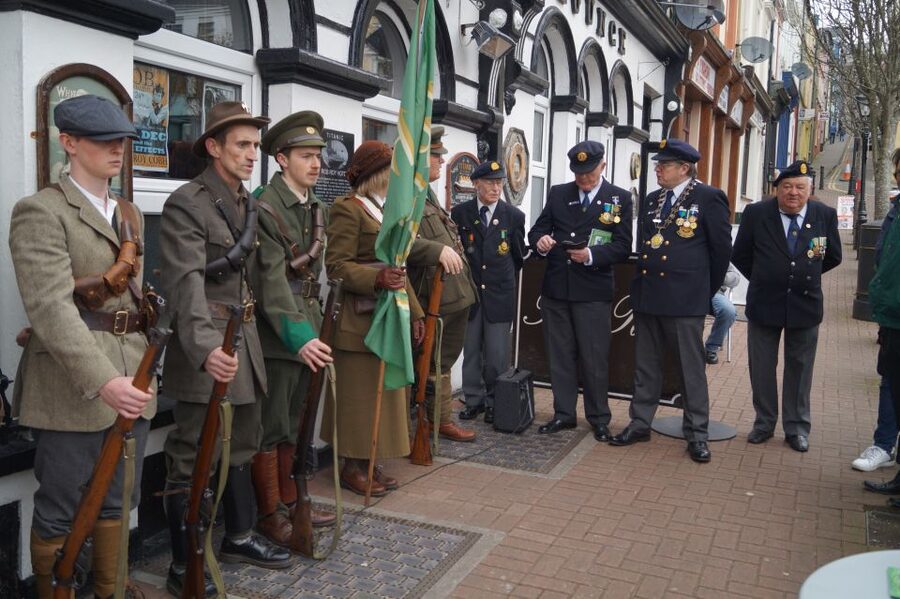
- Sixteen historic locations: Visit ambush sites, safe houses, training halls, barracks, and detention places linked to Cobh republican volunteers.
- A local guide named Kieran: Expect an English-language tour shaped by his passion for Cobh and his research, including two books he has written.
- A broad Irish story: The route covers the potato famine, the fight for independence, and the people and events connecting those periods.
- A leisurely two-hour walk: Stops allow time for questions and conversation rather than a fast, lecture-style march.
- Easy rail access: Meet at the Cobh Heritage Centre, about two minutes on foot from Cobh Railway Station.
- Weather and mobility matter: There is a small hill at the start, and comfortable shoes, an umbrella, and a raincoat are sensible.
Why Cobh works so well for a history walk
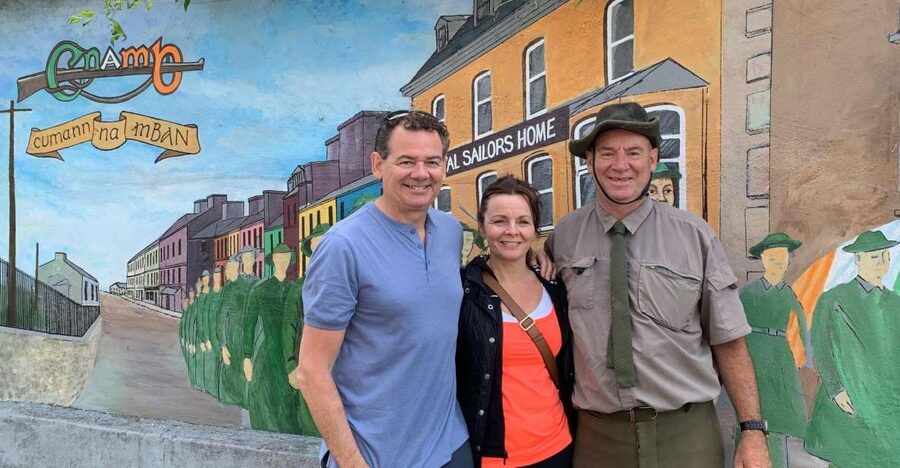
Cobh is compact enough to explore on foot, but its story reaches far beyond the streets in front of you. The town is a useful place to understand how major Irish events affected ordinary people, local volunteers, families, and communities.
This tour focuses on the republican story of Cobh. Instead of giving you only dates and national political names, it takes you to places connected with local action. An ambush site is more meaningful when you can stand where it happened. A former safe house becomes easier to understand when you hear how secrecy, trust, and risk shaped daily life.
The route also reaches back to the potato famine and forward into Ireland’s war for independence. That wider span matters. You are not getting a narrow military walk that treats every event as an isolated battle. You are given a framework for seeing how social hardship, political pressure, and local resistance fit together.
I would choose this tour early in a Cobh visit if Irish history is one of your main interests. It can give the rest of your time in town more meaning, since you will already have a sense of the people and events behind the streets.
More Historical Tours in Cork
- The Queenstown Story @ Cobh Heritage Centre , Great Stories of Emigration.
★ 4.5 · 181 reviews - Visit 16 Sites Key Historical Sites And Experience Cobh Rebel Tours
★ 5.0 · 167 reviews - Cobh: 3-Hour Cultural Tour Plus
★ 4.9 · 31 reviews
Sixteen places where local history happened
The tour includes 16 sites made up of ambush locations, safe houses, training halls, barracks, and detention centers. The exact experience at each stop will depend on the guide’s presentation and the questions asked, but the mix gives the walk a useful rhythm.
At an ambush site, you can picture the practical side of resistance: location, movement, concealment, and the danger faced by those involved. The value is not simply knowing that an event happened. It is seeing how a real town shaped what people could do.
Safe houses offer a different angle. They point to the quieter side of the independence struggle, when support could mean shelter, silence, food, or a place to disappear. These locations help you understand that conflict was not limited to men carrying weapons. It also relied on networks of local people.
Training halls and barracks add another layer. They show how volunteers prepared, organized, and built the structures needed for resistance. You get a sense of the work behind the headline events, not just the dramatic moment itself.
The former detention places connected with Cobh republican volunteers bring the cost of that struggle into view. Detention is less theatrical than an ambush, but it tells you about the pressure placed on volunteers and their communities. Kieran’s role is to connect those sites with the people who used them, rather than leaving you with a list of buildings.
Because the walk stops at actual locations, you should expect an interpretive tour rather than a series of preserved interiors. Some places may look ordinary at first. That is part of the point. A street, building, or corner can hold a difficult story even when there is little to see physically.
Kieran’s conversational way of telling the story
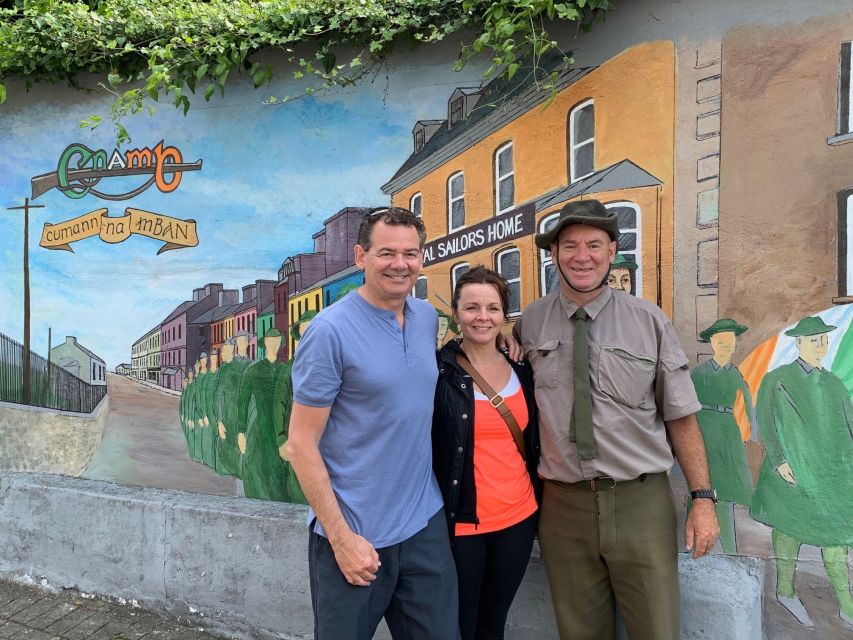
The guide can make or break a history walk, and Kieran receives especially strong praise for his warmth, passion, and command of the subject. He has researched Cobh extensively and has written two books, details that help explain the depth of material he brings to the walk.
His style is described as conversational rather than a formal lecture. That matters if you find long blocks of dates hard to follow. You can ask questions at the stops, discuss related events, and have a back-and-forth conversation as the route continues.
I also like the personal scale of the experience. On one occasion, Kieran continued with a tour for only a couple rather than canceling it. That does not guarantee a private tour, but it suggests a guide who cares about giving the people in front of him a worthwhile two hours.
The strongest part of his approach is the link between national events and local experience. You may already know broad facts about the famine or Irish independence. Kieran’s job is to show how those forces touched Cobh, using local places and stories to make the wider subject easier to grasp.
This approach suits curious beginners and serious history fans alike. Two history teachers found the tour gave them more than they could have picked up from books or films, while other participants valued the easy pace and entertaining delivery. You do not need specialist knowledge to follow it, but you should enjoy listening and asking questions.
A leisurely pace, with room to ask questions
The tour lasts two hours and proceeds at a relaxed pace. Stops at sites and buildings give you time to listen, look around, and ask about related people or events.
That slower rhythm is a real advantage. Cobh’s streets have slopes, and a rushed route would make it harder to take in both the town and the story. You can focus on what is being explained instead of hurrying to keep up.
The pace also makes this feel more like a conversation than a checklist. If a question leads to a useful local detail, there is room for the discussion to develop. The trade-off is that a relaxed two-hour walk may not cover every part of Cobh you want to see. This is a focused history experience, not a general sightseeing tour of every attraction.
Wear shoes you can comfortably walk in. Bring an umbrella and a raincoat, even if the forecast looks decent. The supplied guidance specifically warns about rain, and the tour takes place outdoors.
The small hill at the beginning deserves attention. It may be manageable for many people, but the experience is not suitable for people with mobility impairments. If hills or extended walking are difficult for you, this is a reason to choose another way to learn about Cobh.
More Walking Tours in Cork
- Titanic Trail Guided Walking Tour Cobh
★ 5.0 · 253 reviews - Cork: Guided Historical Walking Tour
★ 4.7 · 310 reviews - The Titanic Trail: 1-Hour Guided Walking Tour of Cobh
★ 4.8 · 78 reviews - Cork Instagram Photography Walking Tour
★ 5.0 · 54 reviews
Starting at the Heritage Centre
The meeting point is the Cobh Heritage Centre beside the quay, roughly two minutes from Cobh Railway Station. That makes the tour straightforward to reach if you are arriving by train, and you do not need to find a distant meeting place outside town.
The tour ends back at the same meeting point. This is useful if you are fitting it around other plans, since you finish where you started rather than needing to arrange a return transfer.
Entrance to the Heritage Centre is included in the $40 price. You may want to allow time to see it either before or after the walk, depending on the available start time and your wider schedule. The inclusion adds value, especially if you are already planning to visit the center.
Do check the starting time when booking. The activity lasts two hours, but the available departure times can vary. If you arrive by train, give yourself a little breathing room so you are not running from the station to the meeting point.
What the $40 price buys you
At $40 per person, this is not the cheapest way to spend two hours in Cobh, but the value depends on how much you want from the visit. You are paying for a guided route to 16 sites, a local account of Cobh’s republican past, time for questions, and admission to the Heritage Centre.
A self-guided walk could show you the town, but it would not necessarily reveal which ordinary-looking places were tied to ambushes, hiding, training, or detention. You would also need to research the famine and independence periods yourself, then connect national events to local locations.
The price makes the most sense for you if you enjoy people-centered history and want context rather than photographs alone. It is less useful if you prefer to wander at your own speed, avoid scheduled activities, or mainly want Cobh’s scenery and architecture.
The guide’s research adds to the value. Kieran’s two books and his close connection with the subject suggest that the tour is built on more than a standard script. Still, keep your expectations realistic. This is a walking tour, not a full museum program or a day-long historical course.
Flexible booking also helps. You can reserve now and pay later, and cancellation is free up to 24 hours before the activity for a full refund. Those terms are useful when Irish weather or a changing itinerary makes planning uncertain.
Who will enjoy this Cobh walking tour
I would recommend it most strongly to:
- People interested in Ireland’s war for independence and military history
- Visitors who want local stories tied to real places
- Anyone who prefers a guide-led walk to reading plaques alone
- History students, teachers, and serious general readers
- Visitors with two hours to spare near Cobh’s railway station
- People comfortable walking on a route that begins with a small hill
Families may also enjoy it if older children can follow a sustained historical talk, though no child-specific format is described. The tour’s success depends on listening, so it may not suit very young children who need constant activity.
It is not a good fit for anyone with mobility limitations. The tour is on foot, includes a hill at the start, and offers no stated alternative transport. It is also a poor match if wet weather would spoil your day, since umbrellas and rain gear are specifically recommended.
How to get the most from the two hours
Read a little about the potato famine and Irish independence before you arrive, but do not feel you need a full study course. A basic timeline will help you place Kieran’s local stories, while the tour supplies the Cobh connections.
Bring a camera if you like recording places and details. The camera will not replace listening, but it can help you remember the sequence of sites and give you a visual record of the route.
Ask questions. The walk is designed for engagement, and the guide’s conversational style is one of its main strengths. Ask about the people connected with a building, how a safe house functioned, or how a local event fit into the national struggle.
Plan your clothes around changeable weather. Comfortable shoes are essential, and an umbrella or raincoat is more useful than an optimistic forecast. You may also want to leave a little time after the tour for the Heritage Centre, a meal, or further exploring around the quay.
Should you book Cobh Rebel Walking Tours?
Book this tour if you want Cobh explained through local action, personal stories, and real places. The combination of 16 sites, Heritage Centre admission, a two-hour pace, and Kieran’s warm delivery gives you a strong introduction to the town’s role in Irish history.
Skip it if you cannot manage a walking route with a starting hill, or if you want a broad architectural tour rather than a focused account of republican activity. For everyone else, $40 is a fair price for a personal, place-based history lesson, especially when you value the chance to ask questions and hear details that are difficult to find on your own.
FAQ
Where does the Cobh Guided Historic Walking Tour start?
It starts at the Cobh Heritage Centre by the quay, about two minutes on foot from Cobh Railway Station.
Where does the tour finish?
The tour ends back at the Cobh Heritage Centre, where it begins.
How long does the walking tour last?
The experience lasts two hours. Starting times vary, so check availability when booking.
What historical places will I visit?
You will visit 16 sites, including ambush locations, safe houses, training halls, barracks, and places of detention connected with Cobh republican volunteers.
What periods of Irish history does the tour cover?
The tour includes stories from the potato famine through the Irish war for independence, along with related people, places, and events.
Who guides the tour?
The tour is provided in English by Cobh Rebel Walking Tours. The guide featured in the experience is Kieran.
Is entrance to the Heritage Centre included?
Yes. Entrance to the Cobh Heritage Centre is included in the activity.
What should I bring?
Bring comfortable shoes, an umbrella, a camera, and rain gear. A raincoat is recommended as a precaution.
Is the tour suitable for people with mobility impairments?
No. The tour is listed as unsuitable for people with mobility impairments, and there is a small hill at the start.
Can I cancel for a full refund?
Yes. You can cancel up to 24 hours in advance for a full refund. You can also reserve now and pay later.
More Walking Tours in Cobh
- Dublin Highlights and Hidden Gems Guided Walking Tour
★ 5.0 · 6,020 reviews - Dublin: Highlights and Hidden Gems Walking Tour
★ 4.9 · 2,140 reviews - 1916 Rebellion Walking Tour
★ 5.0 · 1,605 reviews - 90 Minute Dublin Walking tour and Sightseeing tips
★ 5.0 · 916 reviews
More Historical Tours in Cobh
- Dublin Historical Centre Food Tour with 8 Food Tastings & Drinks
★ 5.0 · 1,718 reviews - 2-Hour Historical Walking Tour from Dublin
★ 5.0 · 875 reviews - Historical 2-Hour Guided Walking Tour of Dublin
★ 4.7 · 865 reviews - Dublin to Cork, Blarney Castle & Cóbh Heritage Centre by train
★ 4.5 · 510 reviews
Just added around Cobh
- (Small Group) Shore Tour from Cork: Blarney Castle & Jameson Distillery★ 3.5 · 74 reviews
- Full Day Private Tour of Jameson Whiskey, Blarney Castle & Cobh★ 5.0 · 11 reviews
- Private Tour , Blarney Castle, jameson Distillery and Cobh.★ 5.0 · 8 reviews
- Cobh cruise excursion, Blarney, Cork & Kinsale. Car or Minibus.★ 4.5 · 13 reviews
- From Cork: Guided Shared Shore Excursion★ 4.7 · 6 reviews
- Private tour of, Blarney Castle, Cork City and Kinsale★ 5.0 · 38 reviews
- Private Tour Blarney Kinsale and Cobh Viator Badge of Excellence★ 5.0 · 51 reviews
- Private Tour Blarney Kinsale & Cobh Awarded Badge of Excellence★ 5.0 · 43 reviews
Historical Tours, compared.

Dublin Historical Centre Food Tour with 8 Food Tastings & Drinks
Read our review →
Historical 2-Hour Guided Walking Tour of Dublin
Read our review →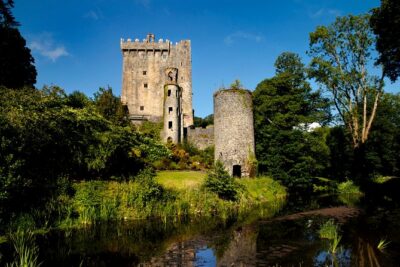
Dublin to Cork, Blarney Castle & Cóbh Heritage Centre by train
Read our review →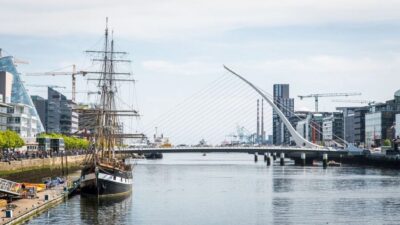
Jeanie Johnston Tall Ship Irish Famine History Tour
Read our review →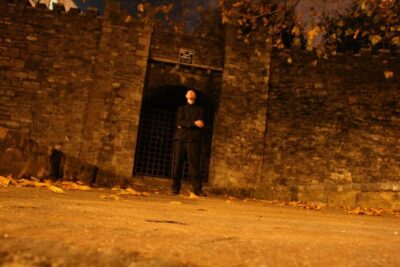
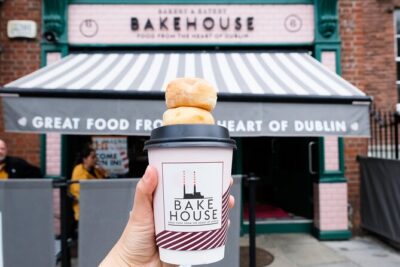
Deliciously Dublin: The Artisan Donut Walking & History Tour
Read our review →Browse the lists this tour appears in