
Reviewed · DINGLE TOURS
Dolphin and Whale Watching Tour from Dingle
The best part of this Dingle boat trip is the chance to watch wild dolphins, whales, seals, and seabirds against the cliffs and islands of Ireland’s far southwest. The route runs from Ventry Harbour around Dingle Bay and the Blasket Islands, with fine views toward Slea Head and the old Dunbeg Fort area.
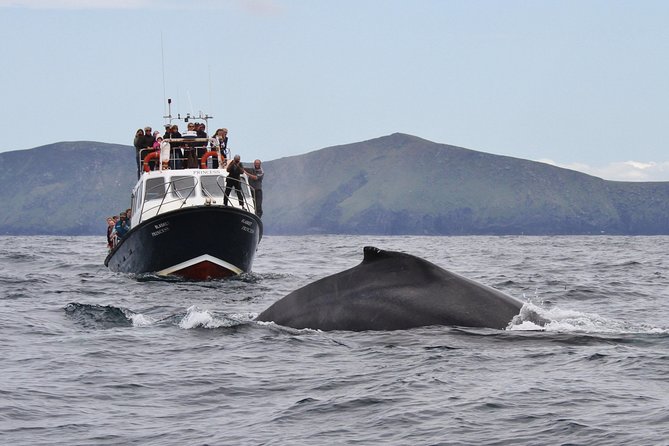
I like the small-group setup, capped at 12 people, and the way you can shift between indoor seats, the open deck, and the flying bridge. I also like the crew’s clear enthusiasm for the region. Guides such as John, Vincent, and Jonathan explain both marine life and Irish history instead of simply pointing at animals and moving on.
The main caution is simple: wildlife is never guaranteed, and four hours on the open Atlantic can feel long if you get seasick. The boat leaves at 1 p.m. sharp, so you need warm, windproof clothing and plenty of time to park and prepare at Ventry Pier.
Key points to know before you book
- Dolphins are the most dependable highlight: Several outings have produced large pods, including young dolphins, while whales are more occasional.
- The Blasket Islands provide the drama: You get broad sea views, cliffs, island scenery, and photo opportunities without needing an entrance ticket.
- M.V. Blasket Princess has three viewing areas: Inside seating, an outside deck, and a small flying bridge for about eight people at a time.
- The tour leaves from Ventry, not Dingle town: Ventry Pier is about four miles west of Dingle, with free parking at the pier and in Ventry village.
- Sea conditions matter: Trips can change or be cancelled in poor weather, and the open-water route may be rough.
- The trip suits older children and adults best: Children under 10 are not accepted, and a moderate level of fitness is expected.
Why this cruise is more than a wildlife checklist
A whale-watching trip can be a gamble. You may see a humpback whale, Minke whales, puffins, seals, and dolphins in one afternoon. You may also spend much of the time watching empty water and dramatic cliffs. That uncertainty is part of the bargain, so I would book this for the full setting, not just for a promised animal sighting.
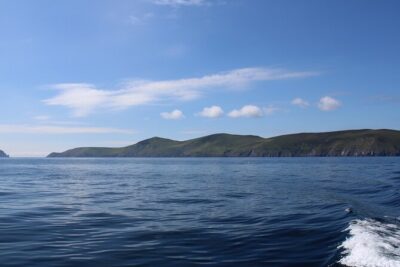
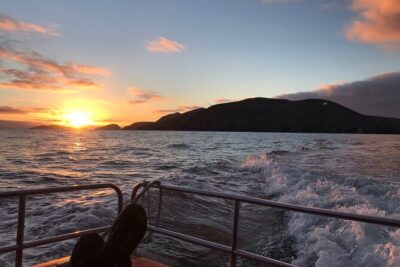
Dingle Bay and the Blasket Islands give the boat plenty to show you even during a quiet wildlife spell. The sea, cliffs, island silhouettes, seabirds, and historic sites create a strong sense of place. If the crew spots dolphins, the outing becomes memorable. If a whale appears, it becomes one of those lucky Ireland moments you talk about for years.
The crew works hard to find wildlife, but they do not pretend the ocean is a zoo. On some trips, dolphins appear in several pods. On others, you may see seals and birds but no whale. That honest uncertainty is worth keeping in mind when you compare this trip with a standard sightseeing cruise.
A few more Dingle half-days to weigh up
- Exhilarating Rib experience – Dingle sea safari
★ 5.0 · 1,349 reviews - Dingle Dolphin Blasket Adventures
★ 4.5 · 1,126 reviews - The Great Blasket Island Experience – Premium Tour
★ 5.0 · 597 reviews
Setting out from Ventry Pier at 1 p.m.
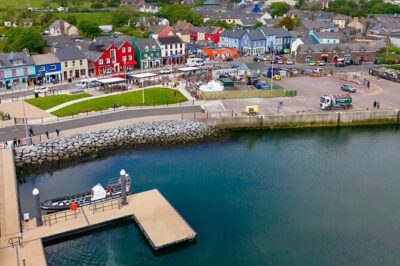
You meet at Ventry Pier in Ventry Harbour, County Kerry. The departure point is roughly four miles west of Dingle town, so allow extra time if you are coming from Dingle or arriving after a scenic drive around the peninsula.
Arrive 15 to 20 minutes early. You need time to park, put on warm clothing, and attend the safety briefing. Free car parking is available on the pier and in Ventry village, though parking can feel less straightforward at busy times. The boat leaves at 1 p.m. sharp and normally waits no more than five minutes for late arrivals.
The trip ends back at the same pier. If you are relying on public transport from Dingle, check your return plan carefully. One previous passenger found that the boat returned too late for the bus and needed a lift back to Dingle. The tour information does not promise transport between Dingle and Ventry, so do not treat the boat trip as a simple town-center excursion.
A look inside M.V. Blasket Princess
The boat is arranged for different kinds of weather and viewing. There is indoor seating for 20 people and deck seating for another 20, plus a flying bridge that suits about eight people at one time. The smaller group limit for this activity means you should have a better chance of hearing the guide and moving around than on a large sightseeing vessel.
The flying bridge is the prime viewing spot when conditions allow. You cannot all sit there at once, so people take turns going upstairs. That arrangement gives you a higher viewpoint for spotting fins and birds, while the deck provides more room to stand and take photographs.
Inside seating matters on a cool or wet afternoon. Still, do not dress as if you are taking a sheltered harbor cruise. Bring a windproof jacket and warm hat, even if Ventry looks sunny when you arrive. The Atlantic can feel much colder once the boat reaches open water.
A toilet is available on board, which is useful during a four-hour trip. Alcohol is not served, and there is no entrance fee because the sights are viewed from the boat rather than visited as ticketed attractions.
Great Blasket Island and the wider island group
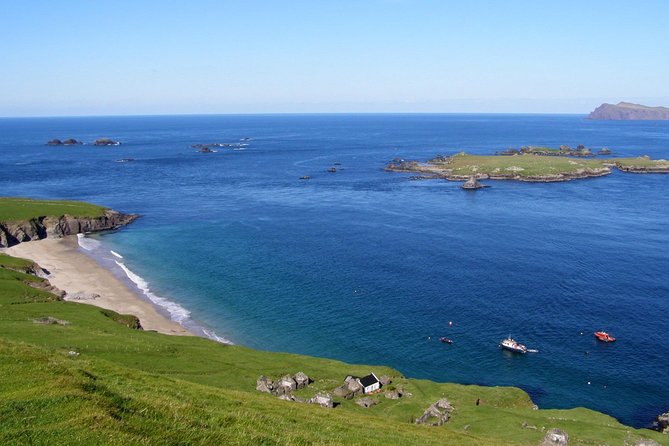
The first named point is Great Blasket Island, followed by the wider Blasket Islands. These islands sit off the western tip of the Dingle Peninsula and give the cruise its strongest sense of remoteness.
From the water, you can take in the islands as a group, with cliffs and open sea forming the backdrop. The trip is not presented as a walking tour or island landing, so expect to view the area from M.V. Blasket Princess. That is a strength if you want a relaxed boat-based outing, but it may disappoint you if you expect time ashore.
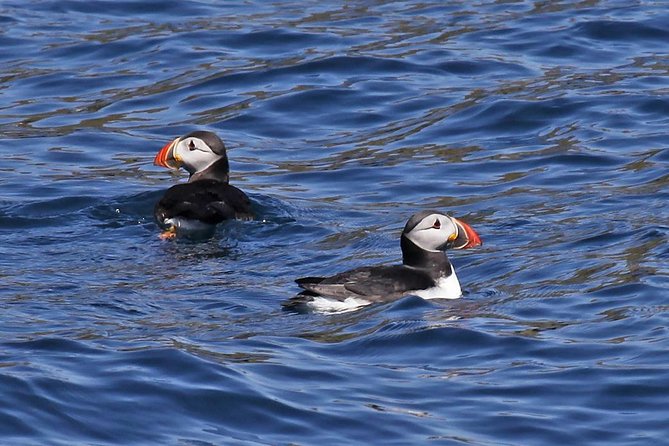
The Blaskets also serve as prime wildlife territory. Dolphins may travel in pods near the boat, while seals can appear around the islands. Puffins are seasonal, and sightings depend on the time of year and the birds’ presence. Seabirds such as razorbills and shearwaters have also appeared on successful outings.
Bring a camera, but keep it ready rather than permanently glued to your eye. Dolphins surface quickly, and whales can be elusive. You will get better results by watching the water first and photographing second.
Same corner of Ireland, a completely different day out:
- Dingle Peninsula and Slea Head Drive Group Tour
★ 5.0 · 427 reviews - Dingle Peninsula Four Hour Private Tour
★ 5.0 · 238 reviews - Blasket Island Sea Life Rib Tour,
★ 5.0 · 202 reviews - Boat Tour of Dingle Peninsula
★ 5.0 · 155 reviews
Dingle Peninsula, Slea Head, and Ireland’s western edge
The cruise also presents the Dingle Peninsula from offshore. This changes the way you read the area. Instead of seeing only roads and viewpoints, you see the coast as a long edge of cliffs, bays, and headlands facing the Atlantic.
Slea Head is a major visual highlight. It is often described as Europe’s westernmost point, and the boat provides a memorable angle on this exposed corner of Ireland. From the water, the road route around Slea Head becomes part of a larger picture, with the headlands and islands linked by the same rough coast.
The trip can be especially useful if you are already planning the Slea Head Drive. It gives you a different view of places you may see from land, and it lets you spend time looking outward rather than concentrating on narrow roads. Do not expect a complete coastal tour of every stop on the drive, though. The boat’s route and sea conditions determine what you see.
Dunbeg Fort from the water
Dunbeg Fort is another named sight along the itinerary. The fort sits near the coast and is part of the peninsula’s long record of human settlement and defense.
The boat view gives you a useful coastal perspective, but you should not expect an entrance visit. No entry fee is included because this experience is a cruise, not a shore tour. If seeing the fort up close is important to you, plan a separate land visit and treat the boat view as an extra angle rather than a replacement.
This is one place where the guide adds real value. Vincent, John, Jonathan, and other crew members have explained local history alongside the marine sightings, helping connect the cliffs, islands, forts, and sea into one story.
Wildlife: what you might actually see
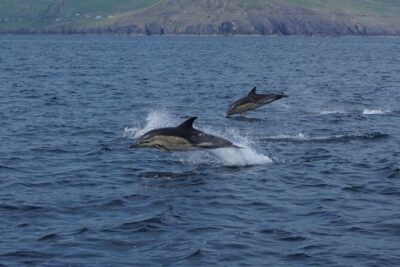
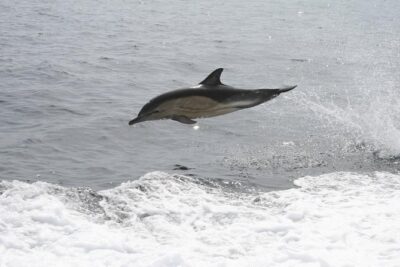
Dolphins are the tour’s strongest bet. Sightings have included bottlenose dolphins, large groups, and very young calves. One particularly fortunate outing found a nursery group with mothers and young dolphins, including babies only a few weeks old. That kind of encounter cannot be scheduled, but it shows why the bay can be rewarding even before the boat reaches the islands.
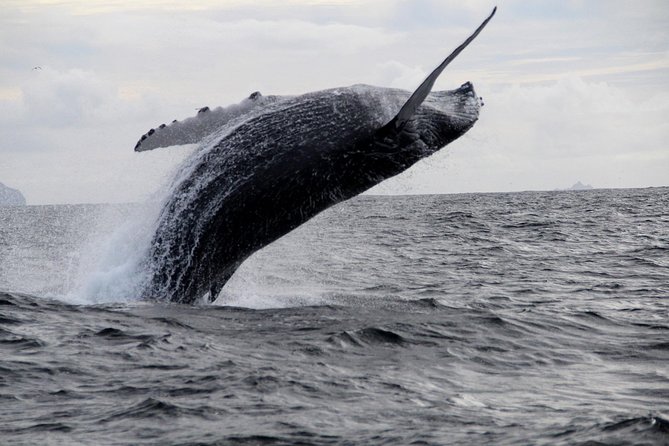
Whales are possible rather than certain. Sightings have included Minke whales and humpback whales, sometimes more than one species on the same trip. Other outings have found no whale at all, despite the captain spending extra time searching. A brief glimpse of a whale can be thrilling, but you should not buy this tour on the assumption that one will appear.
Seals are another common possibility. You may also see puffins, razorbills, shearwaters, and other seabirds. Puffins are seasonal, with sightings becoming less likely after late July. The exact mix changes from day to day, which is normal for a wild-sea outing.
Even land animals can enter the picture. A deer has been spotted on top of a cliff, a reminder that you are touring a living coastal area rather than following a fixed aquarium-style program.
Some departures have also produced sharks, and the provider identifies the wider region as a place where basking sharks may be seen. Again, treat this as a possibility, not a promise. The most sensible expectation is a combination of marine life, birds, and scenery, with dolphins often providing the main show.
The guides make the difference
The crew is a major part of the experience. John has been praised for explaining animals, scenery, and Ireland. Vincent, often serving as skipper, has been described as determined to find wildlife and willing to answer questions. Jonathan has also guided passengers through the area and its natural sights.
A professional photographer guide is included, and a marine biologist has led some departures. The exact guide may vary, and the trip may be operated by a multilingual guide. You should expect clear explanations, but the precise language and staff lineup are not guaranteed.
Good wildlife guiding means more than naming an animal. The crew can help you understand why a pod is moving in a certain direction, how to watch for a whale’s blow, or which seabirds are passing the boat. When the sea stays empty for a while, local stories and coastal history give the afternoon a useful rhythm.
The small-group limit of 12 is particularly helpful here. You have a better chance of hearing a question and moving between viewing areas without fighting through a crowd. One criticism described the boat as a little cramped and four hours as slightly too long, so space is not unlimited. The group size helps, but this remains a working wildlife boat, not a luxury vessel.
Price, timing, and overall value
The listed price is $119.17 per person for about four hours. That is not a minor add-on, especially for a family or group of four. The value depends on how much you want the wildlife experience and how well you use the scenic setting.
You are paying for a local guide, a professional photographer guide, a small-group boat trip, and access to a stretch of coast that is difficult to appreciate fully from land. The cruise also combines several experiences in one afternoon: Dingle Bay, the Blasket Islands, Slea Head, Dunbeg Fort, seabirds, and the possibility of dolphins or whales.
I consider it good value if you enjoy nature, photography, coastal scenery, and local stories. It is less convincing if you need a guaranteed headline sighting or dislike spending several hours on open water. The tour’s strongest days can deliver dolphins, seals, puffins, and whales together. Its quieter days still offer the coast, but the price may feel high if you are focused only on whales.
The operator runs this type of trip from April 1 through September 30. Seasonal timing matters. Puffins are more likely earlier in the season, while the sea and weather can change at any point. You should check the forecast, but remember that a calm morning does not guarantee calm water farther offshore.
Weather, seasickness, and who should book
Take seasickness seriously. Several outings have included passengers who felt unwell, and the open Atlantic can be rough. If you know you are prone to motion sickness, follow your usual prevention routine before departure. The tour provider specifically advises warm clothing, and practical preparation will make more difference than stylish holiday clothes.
The activity is not suitable for children under 10. The information also asks for a moderate level of physical fitness, which likely reflects moving around the boat, using the viewing areas, and managing changing sea conditions. Service animals are allowed.
I would recommend this for couples, solo visitors, older families, photographers, birdwatchers, and anyone spending several days around Dingle. It is especially good for people who enjoy the process of looking, waiting, and learning.
I would be more cautious for very young families, anyone with serious seasickness concerns, or anyone with only one free afternoon and a fixed need to see whales. Poor weather can lead to a last-minute cancellation or a changed date, so keep some flexibility in your itinerary.
Booking and cancellation details
You receive confirmation when booking and need to provide a mobile number with the international dialing code. That allows the operator to contact you if weather or sea conditions force a schedule change.
You can cancel for a full refund up to 24 hours before the 1 p.m. departure. Cancellations or changes inside that 24-hour window are not refunded or accepted. If poor weather cancels the trip, you can choose another date or receive a full refund. The same applies if the minimum number of participants is not reached.
The boat does not wait more than five minutes for late arrivals, and no refund is given for a no-show or missed departure. Plan to be at Ventry Pier early, not racing down the pier at 12:59.
Should you book the Dingle whale and dolphin tour?
Yes, if you want a small, serious wildlife outing paired with some of County Kerry’s finest coastal scenery. The dolphins may be the star, but the Blasket Islands, Slea Head, seabirds, seals, and local stories make the trip worthwhile even when whales stay hidden.
I would book it as a flexible afternoon rather than the one non-negotiable event of your Ireland trip. Wear proper warm gear, arrive early, prepare for rough water, and accept that nature sets the schedule. With those expectations, M.V. Blasket Princess offers a memorable view of Dingle’s wild western edge and a fair chance of seeing wildlife in its natural home.
FAQ
Where does the dolphin and whale tour depart?
The tour departs from Ventry Pier at Ventry Harbour, County Kerry, Ireland. The pier is about four miles west of Dingle town.
What time should I arrive?
Arrive about 15 to 20 minutes before the 1 p.m. departure. This gives you time to park, put on warm clothing, and attend the safety meeting.
How long does the cruise last?
The cruise lasts approximately four hours and returns to Ventry Pier.
Is parking available?
Yes. Free car parking is available on the pier and in Ventry village.
Are children allowed on the tour?
Children under 10 are not permitted on this activity.
What should I wear?
Wear warm clothing, including a windproof jacket and warm hat. The boat travels on the open Atlantic, where conditions can feel cold and windy.
Is whale watching guaranteed?
No. Dolphins, whales, seals, and seabirds are wild animals, so sightings vary. The trip may produce dolphins and seals even when no whales are found.
Does the boat have indoor seating and a toilet?
Yes. M.V. Blasket Princess has indoor seating, outside deck seating, a flying bridge for wildlife viewing, and a toilet on board.
What happens if bad weather cancels the trip?
If poor weather or sea conditions cause a cancellation, you will be offered another date or a full refund. You can also cancel for a full refund if you give at least 24 hours’ notice.
More Dolphin Watching in Dingle
- Dolphin & Whale Watching (4hrs) + Blasket Island Landing (3hrs)
★ 5.0 · 20 reviews - County Cork: Whale & Dolphin Watching Boat Trip
★ 4.5 · 208 reviews
Just added around Dingle
- Wildlife Tour★ 5.0 · 31 reviews
- Sea Fishing 2 hour★ 5.0 · 16 reviews
- Ring of Kerry & Skellig Ring Private Day Tour★ 5.0 · 34 reviews
- Slea Head Photo & Sightseeing Tour★ 5.0 · 48 reviews
- Dingle: Hour Slea Head Drive Tour 4hr – Personal Chauffeur Guide★ 5.0 · 43 reviews
- Dolphin & Whale Watching (4hrs) + Blasket Island Landing (3hrs)★ 5.0 · 20 reviews
- Dingle Boat Tours RIB Adventure Private★ 5.0 · 8 reviews
- Fishing 2 hour Private★ 5.0 · 3 reviews
Dingle Tours, compared.
The Great Blasket Island Experience – Premium Tour
Read our review →
Dingle Peninsula and Slea Head Drive Group Tour
Read our review →
Dingle Peninsula by eBike: Must-Do Half-Day Activity!
Read our review →Browse the lists this tour appears in