
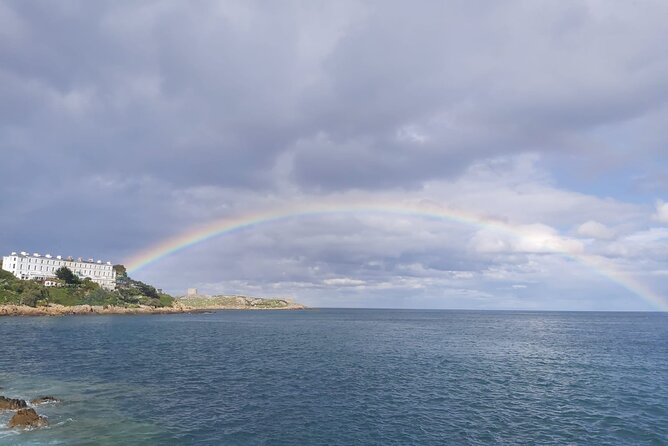
Reviewed · WALKING TOURS
Dublin (Dun Laoghaire) Top-Rated Coastal Walking Tour
Dublin’s coast offers a fine change of pace from the city centre. This walk links Dun Laoghaire and Dalkey, taking you past working harbours, a medieval castle ruin, a famous swimming spot, village lanes, and the James Joyce Tower. It is part seaside outing, part local history lesson, and part gentle workout.
I like the easy meeting point near the DART station, and I like that the tour ends in Dalkey, where you can stop for lunch or catch a train. Guide Marina Boyle adds local colour, practical advice, and a warm personal touch. The main drawback is simple: this is a long walk, often around 10,000 steps, and the price does not include your train fare, food, or transport to the start.
Key points to know before you book
- Dun Laoghaire to Dalkey: Walk between two attractive coastal towns rather than staying in central Dublin.
- About 10,000 steps: Allow roughly three and a half hours, with around two and a half hours spent walking.
- James Joyce Tower included: Climb the spiral stairs for a rooftop coastal view.
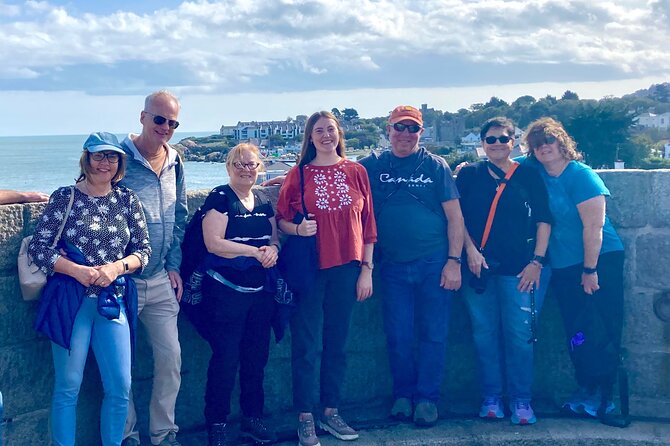
- Marina Boyle leads the way: Expect local stories, Irish history, restaurant tips, and help with the DART at the end.
- Seals may appear at Bulloch Harbour: Keep an eye on the water and rocks around the harbour.
- Good shoes matter: Some paths are uneven, so trainers are a better choice than flip-flops.
A coastal side of Dublin that many visitors miss
If you have already seen Dublin’s main sights, this outing gives you a very different view of the city. You leave the centre behind and follow the coast through Dun Laoghaire, Sandycove, Bulloch, and Dalkey.
The route mixes broad sea views with small lanes, parks, beaches, old stone buildings, and prosperous village streets. It never feels like a single-theme walk. One moment you are hearing about railway construction, and the next you are looking toward a medieval ruin or watching hardy locals swim in chilly water.
The group can have up to 20 people. That is large enough to offer some company without being the size of a coach tour. The guide keeps the pace steady, with places to pause along the way. Still, you should be comfortable walking for several hours.
The advertised duration is about three hours and 30 minutes. One account of the outing describes it as closer to four hours, and another notes that eating may need to wait until around 3 p.m. Exact timing can depend on the group, pauses, and time spent at the sights. Eat a solid breakfast or an early meal before setting out.
More Walking Tours in Dublin
- Dublin Highlights and Hidden Gems Guided Walking Tour
★ 5.0 · 6,020 reviews - Dublin: Highlights and Hidden Gems Walking Tour
★ 4.9 · 2,140 reviews - 1916 Rebellion Walking Tour
★ 5.0 · 1,605 reviews
Meeting near Dun Laoghaire Harbour
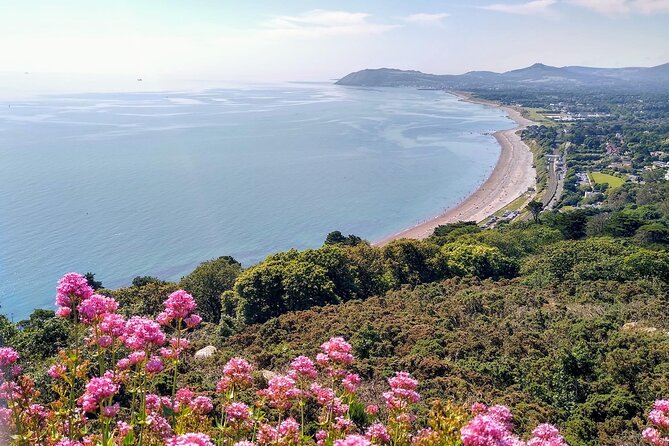
The meeting point is at 1 Harbour Road, near the DART station in Dun Laoghaire. This is one of the tour’s practical strengths. The station is easy to find, and the area is also useful for cruise passengers arriving nearby.
The first stop is Dun Laoghaire Harbour, where you hear about the piers and the town’s connection with the sea. The harbour is not simply a photo stop. It helps explain why this part of Dublin grew as a port and why the railway later made the coast easy to reach from the city.
You spend about 10 minutes here, enough to get oriented without using up the best walking time. The harbour is open-air, so weather makes a difference. On a clear day, the water and long harbour walls set the tone for the whole route. On a wet or windy day, bring a waterproof layer.
The tour also points out a maritime museum from outside. You do not get a museum visit as part of the listed route, but you hear about Dublin’s maritime past and the building itself. This is useful context for understanding the harbour before moving inland and along the shoreline.
People’s Park and the old railway route
People’s Park provides an early green break. The stop lasts about 10 minutes, though Sunday tours spend extra time at the farmers’ market. If you enjoy local food stalls and a more everyday look at the town, Sunday may be the most appealing day to book.
The park is also a welcome pause before the route continues. You can catch your breath, listen to more local stories, and look at Dun Laoghaire as a lived-in town rather than just a coastal viewpoint.
Next comes The Metals, a historic laneway linked to Dun Laoghaire’s railway story. The passage is brief, about five minutes, but it shows how transport shaped the town. The tour makes good use of these small links between major sights. Instead of moving only from one famous building to another, you get a sense of how people once travelled, worked, and moved goods.
The route then passes through a typical Irish village setting. The exact emphasis can vary with the guide and group, but this section helps connect the coast with ordinary neighbourhood life. You are not just ticking off landmarks. You are walking through places where people live, shop, eat, and swim.
Sandycove, swimming, and the James Joyce Tower
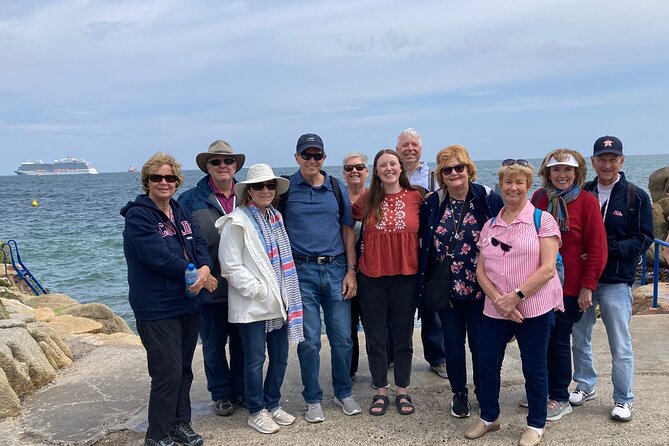
One of the memorable coastal points is Dublin’s best-known swimming area. The sight can be surprising, especially if the day is cold or windy. Local swimmers may enter the water in conditions that many visitors would consider far too brisk. You do not need to swim, but it is a good reminder that the Irish coast is part of daily life, not just scenery.
The James Joyce Tower and Museum is the main indoor attraction. Admission is included, and you spend about 20 minutes inside. You hear about the tower’s past, then climb the spiral staircase to the rooftop viewing point.
The stairs are part of the experience, so this stop is not completely effortless. The reward is a broad view over the coast, with a better sense of how the villages and harbours fit together. If you like literature, Joyce, or unusual historic buildings, this is likely to be one of the tour’s strongest stops.
There is an important scheduling detail. The museum is closed on Mondays, so the interior visit may not be available on that day. The walk still continues and includes plenty of coastal and village scenery, but check the operating day if entering the tower is important to you.
More Dún Laoghaire coastal outings:
- Boat Trip from Dublin City to Dun Laoghaire
★ 4.5 · 344 reviews - Dublin: Dublin Bay Cruise from Dun Laoghaire to Howth
★ 4.5 · 139 reviews - Dublin Bay: Cruise from the City Centre to Dun Laoghaire
★ 4.3 · 139 reviews - Dublin: Dublin Bay Cruise from Howth to Dun Laoghaire
★ 4.3 · 44 reviews
Bulloch Harbour and the chance to spot seals
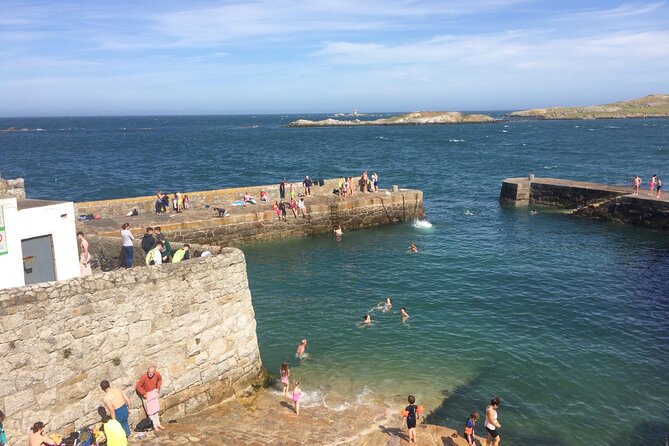
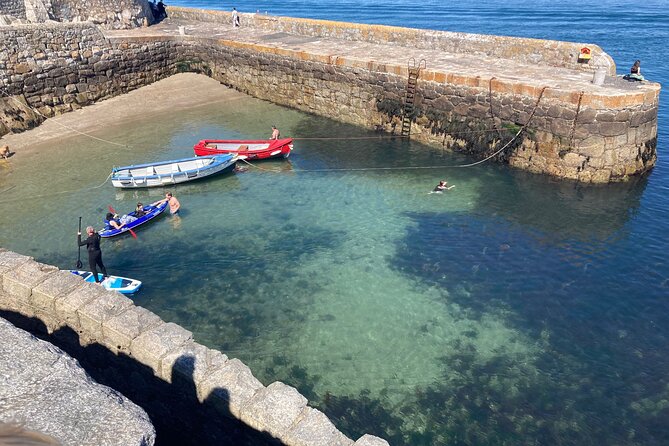
Bulloch Harbour is a smaller, more intimate stop. The guide explains its industrial past and its modern use, giving you another example of how Dublin’s coastline has changed over time.
This is also the place to watch the water and rocks for seals. Sightings are not guaranteed, but the possibility adds a pleasant bit of anticipation. The harbour is given about 10 minutes, enough to take photographs and hear the story without turning the tour into a long wildlife wait.
The contrast with Dun Laoghaire is part of the appeal. Dun Laoghaire feels like a major harbour town, while Bulloch has a smaller village-harbour character. You get two different coastal settings within one walk.
Bulloch Castle and the castles of Dalkey
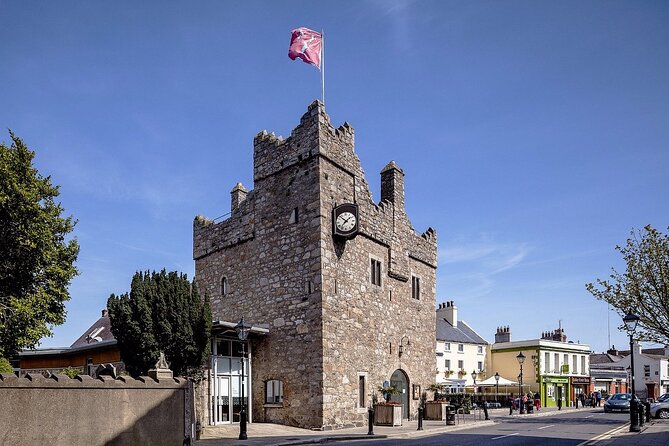
Bulloch Castle is a medieval ruin, and the stop takes about five minutes. It is not a full castle tour, but the stone remains help bring the area’s past into view.
The guide explains that Dalkey once had seven castles, with three visible during the wider tour. That detail gives the village a surprising amount of medieval weight. Today, Dalkey is known for its attractive streets and high property values, but the castle remains point to a much older role in the area.
You will also see one of Dalkey’s seven castles with its Norman story and heritage connections. The route does not promise extended indoor access at every castle, so think of these as exterior historic stops rather than a series of castle admissions.
I like this approach because it keeps the walk moving. You get enough background to make the ruins meaningful, then continue toward the village and coast. If you want long museum visits or detailed architectural study, this tour may feel too brisk. If you want a readable introduction to the area, the balance works well.
Dalkey village and the final DART ride
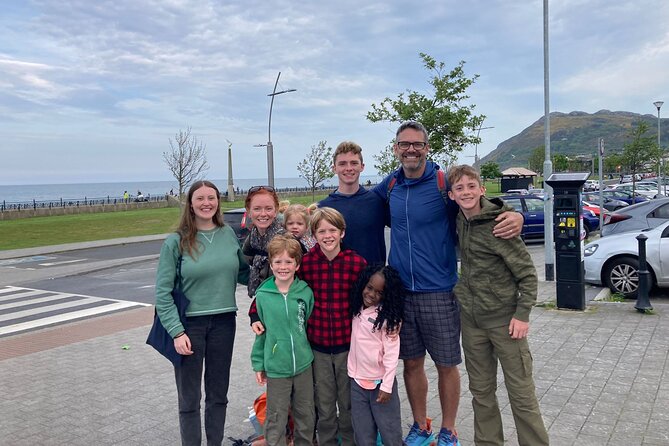
Dalkey is the finishing point, and it is a strong choice. The village has attractive streets, dining options, pubs, and a polished feel. The guide discusses its Viking past and points you toward places for food and nightlife.
This is where you can continue the day at your own speed. Stop for a pub lunch, have a drink, or look around before taking the train. Food is not included, so budget separately for refreshments. The walk can leave you ready for a proper meal, particularly if you have not eaten before starting.
The tour finishes at Dalkey DART station. You can take the train toward central Dublin, back to Dun Laoghaire, or to another DART stop. Train fare is not included. If the ticket machine is your first encounter with the Irish rail system, Marina can help explain how to use it. Card tapping is available, and payment in euros is also possible according to the tour information.
For cruise passengers, the route is especially useful because the starting point is close to the port area and the end has a direct rail connection. Leave enough time for your return journey and do not treat the advertised duration as a guarantee down to the minute.
What Marina Boyle adds to the walk
Marina Boyle is the guide named for this experience, and her role is a major part of its appeal. She brings together formal history, local stories, cultural details, and practical Dublin advice.
You can expect information about the coast, the railway, Vikings, Norman castles, Irish swimming habits, and the area’s role in wider Irish history. The tone is personal rather than academic. Marina is from the area and clearly enjoys explaining why these places matter.
She also helps with the human side of a group walk. The pace is described as comfortable, and she has accommodated schedule needs and families with children. She answers questions and offers suggestions for food and other things to see in Dublin.
That said, the amount of detail may not suit everyone. One assessment found the walk a little light on extra fun facts, while another wanted more time for all the information the area could offer. If you prefer a fast stream of unusual trivia, you may find the presentation more measured. I see that as a fair trade for a relaxed pace and a chance to ask questions.
Price, group size, and what you really pay for
At $114.65 per person, this is not a cheap way to get from one DART station to another. You are paying for a guided half-day experience, not transportation. The fee includes the guide and listed taxes and admission charges, including the James Joyce Tower entry when it is open.
You still pay for the train, snacks, lunch, and getting to Dun Laoghaire. Those extra costs are modest compared with the tour price, but they matter when you compare this walk with exploring the coast independently.
The value comes from the route and the interpretation. You could reach Dun Laoghaire and Dalkey by DART on your own, but you would need to plan the stops, understand the history, find the less obvious lanes, and work out how the castles and harbours connect. Marina provides that structure and also helps you finish the day smoothly.
The group limit of 20 keeps the outing from becoming a large-scale procession. Group discounts may be available, which could improve the value for families or friends travelling together. The tour is offered in English and uses a mobile ticket.
Who should book this coastal walk?
I would recommend it most strongly to you if you:
- Have already seen central Dublin and want a different side of the city
- Enjoy local history but prefer it mixed with scenery and walking
- Are arriving by cruise ship and want a coastal day close to the port
- Like small towns, harbours, beaches, ruins, and village streets
- Want suggestions for food and other Dublin activities from a local guide
- Can walk steadily for several hours
Families can enjoy it too, and Marina has made adjustments for larger family groups. Most people can participate, and service animals are allowed. Still, the distance and uneven sections mean you should judge your own comfort honestly.
Wear supportive trainers. Hiking boots are not required, but flip-flops are a poor choice. Bring water, a rain layer, and sun protection if the forecast allows. Irish coastal weather can change quickly, and there is no guarantee that the day will be bright.
The tour needs good weather and a minimum number of participants. If poor weather or low bookings cancel the outing, you are offered another date, another experience, or a full refund. You can also cancel for a full refund up to 24 hours before the start time. Later cancellations are not refunded.
My call: a strong choice for the coast, if you are ready to walk
Book this tour if you want Dublin to feel broader than its city-centre sights. The combination of harbours, swimming spots, railway history, Joyce, castles, villages, and the DART finish gives you a full picture of the southern coast in one outing.
Skip it if you want a short stroll, guaranteed sunshine, a sit-down meal during the tour, or long visits inside several historic buildings. The price is easier to justify when you value a local guide and a carefully linked route.
For most active visitors, I think the best plan is to eat beforehand, wear good shoes, check the museum’s Monday schedule, and leave time for lunch in Dalkey. That turns a demanding walk into one of the more memorable ways to spend a day near Dublin.
FAQ
Where does the tour start?
It starts at 1 Harbour Road in Dún Laoghaire, near the DART station.
Where does the tour finish?
It finishes at Dalkey DART station in County Dublin.
How long does the tour last?
The advertised duration is approximately three hours and 30 minutes. The walking portion may take around two and a half hours, and the full outing can sometimes run closer to four hours.
Is train fare included?
No. Train fare is not included. You pay separately for the DART journey from Dalkey or any other train trip connected with the tour.
Is admission to the James Joyce Tower included?
Yes. Admission fees are included, and the tour normally enters the museum and climbs to the rooftop viewing point. The museum is closed on Mondays.
Is food included?
No. Snacks, lunch, and other refreshments are not included. Dalkey has places to stop for food after the walk.
How many people can join the tour?
The maximum group size is 20 people.
What language is the tour offered in?
The tour is offered in English.
Is the walk suitable for most people?
Most people can participate, but you should be comfortable walking for several hours. The route includes some uneven paths and the spiral staircase at the James Joyce Tower.
What happens if the weather is poor?
The experience requires good weather. If it is canceled because of poor weather, you are offered a different date or a full refund.
Just added around Dublin
- Women Of Ireland: Trailblazers & Pioneers★ 5.0 · 4 reviews
- Full Day Private Wicklow Tour★ 5.0 · 12 reviews
- Wicklow Mountains & Glendalough Luxury Private Day Tour★ 5.0 · 23 reviews
- Wicklow tour of Glendalough★ 4.5 · 8 reviews
- Premium Irish Whiskey Tasting Hosted by Local Dublin Expert★ 5.0 · 77 reviews
- Whiskey Tasting Tour of Dublin★ 5.0 · 117 reviews
- Dublin To Kilkenny Castle Waterford Crystal Private Car – Day Tour★ 5.0 · 8 reviews
- Historical Walking Tour of Dublin★ 5.0 · 50 reviews
Walking Tours, compared.
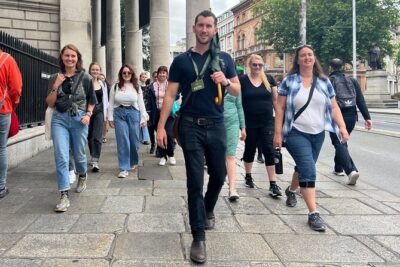
Dublin Highlights and Hidden Gems Guided Walking Tour
Read our review →


90 Minute Dublin Walking tour and Sightseeing tips
Read our review →

Historical 2-Hour Guided Walking Tour of Dublin
Read our review →
Dublin Traditional Irish 3 Course Meal Walking Tour with Local
Read our review →
Browse the lists this tour appears in