
Reviewed · WALKING TOURS
Dublin Walking Tour: Top 10 highlights
Dublin’s best introduction may be a brisk walk from the Spire to Trinity College, with the city’s main stories laid out along the way. In two hours, you see the GPO, O’Connell Street, the Liffey, Temple Bar, Dublin Castle, two cathedrals, and Trinity College without spending your first day guessing where to go.
I like the compact route and the way it connects political history, religion, literature, and everyday Dublin life. I also like the personal touch of a live French-speaking guide, with Matthew and a Belgian guide receiving special praise for clear explanations, good humor, and patience with questions. The main drawback is simple: you learn about the buildings from outside, but you do not enter them, so this tour cannot replace a visit to the Book of Kells, the Guinness Storehouse, or the cathedral interiors.
Key points to know before booking

- Two hours covers a lot of Dublin: Expect a fast, useful overview rather than a slow architectural walk.
- The route begins beneath the Spire: Meet on the GPO side, at the foot of the monument.
- The major sights are viewed from outside: The guide supplies context, dates, and stories, but admission is not part of the walk.
- The French-language format matters: This activity is listed with a live guide in French.
- The price is $54 per person: That is reasonable if you want orientation and explanation, but less so if you mainly want entry to attractions.
- Comfortable shoes are essential: You will be on foot for the full two hours, and weather-appropriate clothing is a sensible choice in Dublin.
Starting beneath the Spire on O’Connell Street
The meeting point is at the foot of the Spire, on the GPO side of O’Connell Street. This is a practical place to begin because the Spire is hard to miss, and the GPO immediately sets up one of the city’s key stories.
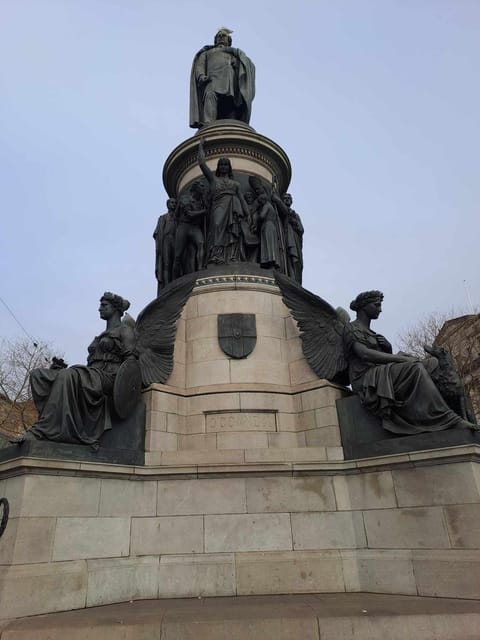
The Spire, also called the Monument of Light, gives you a clear visual marker in central Dublin. From here, the guide introduces O’Connell Street and the role of the General Post Office in Irish public life. You are not simply ticking off a tall monument. You are starting with a street and building tied to the country’s political story.
The walking pace matters. This is not a leisurely three-hour stroll with long pauses at every façade. The tour promises ten major Dublin highlights in two hours, so expect the guide to keep the group moving. That makes it useful on a first day, particularly if you want a quick sense of direction before choosing which places deserve a longer visit.
More Walking Tours in Dublin
- Dublin Highlights and Hidden Gems Guided Walking Tour
★ 5.0 · 6,020 reviews - Dublin: Highlights and Hidden Gems Walking Tour
★ 4.9 · 2,140 reviews - 1916 Rebellion Walking Tour
★ 5.0 · 1,605 reviews
The GPO and O’Connell Street
The GPO is one of the most important stops on the route. The tour explains its history from outside, while the nearby GPO Museum remains an optional separate visit for another time. You get the setting and the story, but not an indoor museum visit.
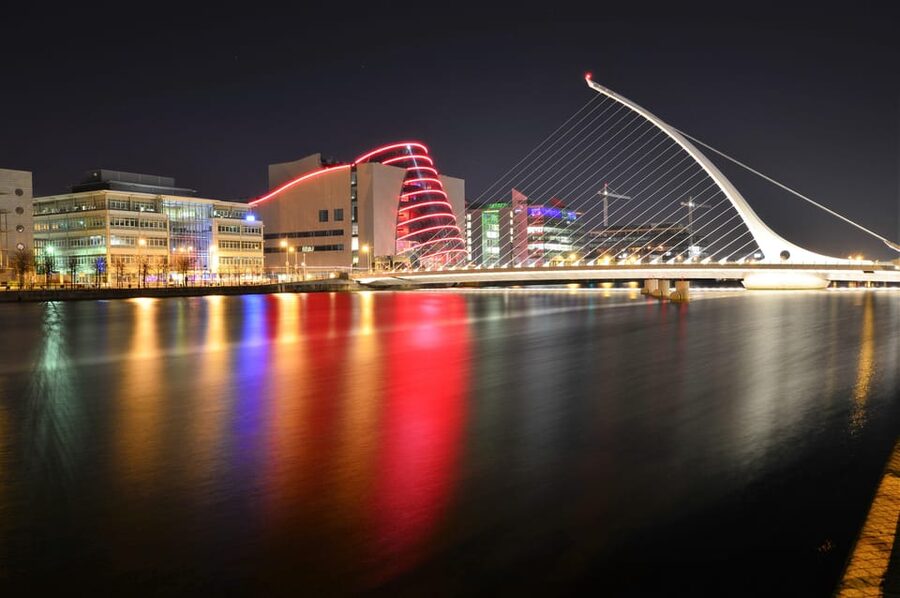
O’Connell Street gives the guide room to explain Dublin on a broader scale. The street links the Spire with the River Liffey and carries much of the city’s public identity. Your guide may also point out details that are easy to miss when you are walking alone, including the relationship between the street, the river, and the bridges leading into the south side.
This section should appeal to you if you like history explained through actual places rather than delivered as a list of dates. A strong guide can turn a façade into a doorway to the past. Matthew is specifically praised for taking time with questions, which is useful here because the GPO and O’Connell Street raise plenty of questions about modern Ireland as well as older Dublin.
Crossing the Liffey by Ha’penny Bridge
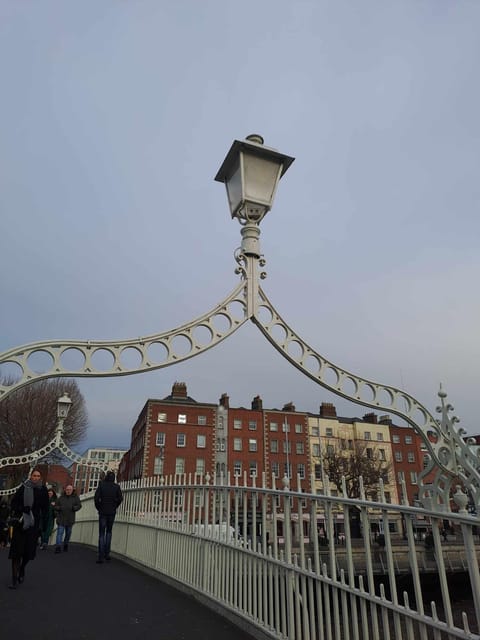
The walk continues toward the River Liffey and Ha’penny Bridge. This is one of Dublin’s most recognizable crossings, and it provides a natural shift from the north side of the city to the south side.
The bridge is more than a quick photo stop. The guide uses the Liffey and its bridges to explain how Dublin is arranged. You begin to see the city as two connected halves, with major streets, districts, and landmarks clustered along the river.
The crossing can be busy, so you will need to stay close to the group and pay attention to the guide. The reward is a simple but useful view of central Dublin, including the changing character of the streets as you approach Temple Bar.
Temple Bar beyond the nightlife reputation
Temple Bar is often reduced to pubs, music, and evening crowds. A walking tour gives the district a wider frame. The guide explains its place in Dublin’s cultural life and shows you how it fits into the older center of the city.
You might find Temple Bar noisy and crowded, especially at popular times. That is part of the district’s character, but it can make it harder to hear every word. A French-speaking guide who can answer questions clearly is especially valuable here, since this section has plenty of atmosphere but also plenty of distraction.
I like this stop because it prevents the tour from becoming a procession of grand buildings. Dublin is also about streets, meeting places, and the way people use the center. Temple Bar supplies that everyday, social side of the city, even if you are visiting in daylight.
A few more Dublin half-days to weigh up
- Dublin to Cliffs of Moher, including Wild Atlantic Way and Galway
★ 5.0 · 23,331 reviews - From Dublin: Cliffs of Moher, Burren & Galway City Day Tour
★ 4.8 · 18,888 reviews - Dublin: Guinness Storehouse Entry Ticket
★ 4.6 · 16,863 reviews - Dublin to Cliffs of Moher, Burren, Wild Atlantic Way, Galway Tour
★ 5.0 · 12,924 reviews
Christ Church Cathedral and medieval Dublin

From Temple Bar, the route turns toward Christ Church Cathedral and medieval Dublin. The cathedral is one of the city’s defining religious landmarks, and its setting helps explain how old Dublin developed around churches, streets, and civic power.
You will receive information outside the building, not an interior tour. That distinction is important. The exterior still gives you a strong sense of the cathedral’s presence, but you will not see its interior spaces as part of this activity.
This stop works well alongside Dublin Castle because the two places help connect religious and political authority. Instead of seeing the castle and cathedral as isolated attractions, you hear how they fit into the older city. The guide’s job here is to supply the missing connections: who used these places, why they mattered, and how medieval Dublin differed from the modern streets you have just crossed.
One of the listed stops is described only as a hidden stop, with no details provided. Treat that as a pleasant extra rather than a promised major attraction. The lack of a named site also means you should not build your booking decision around it.
Dublin Castle and the city’s political center
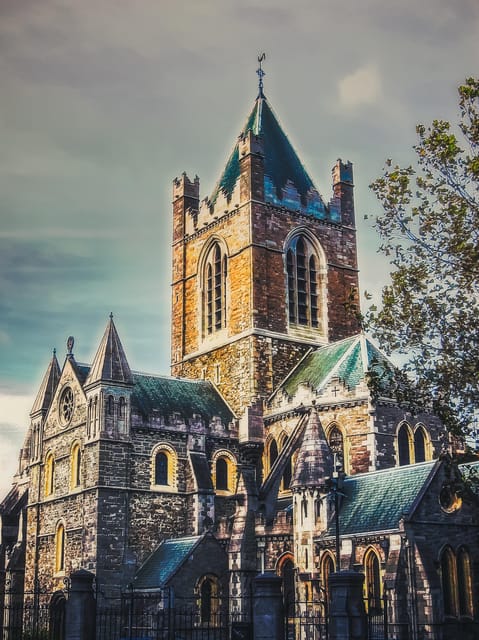
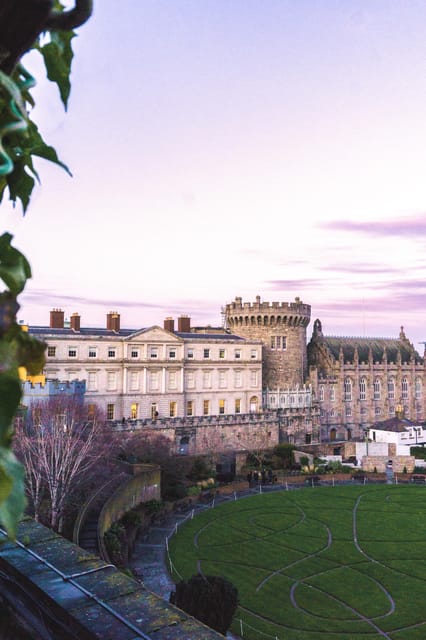
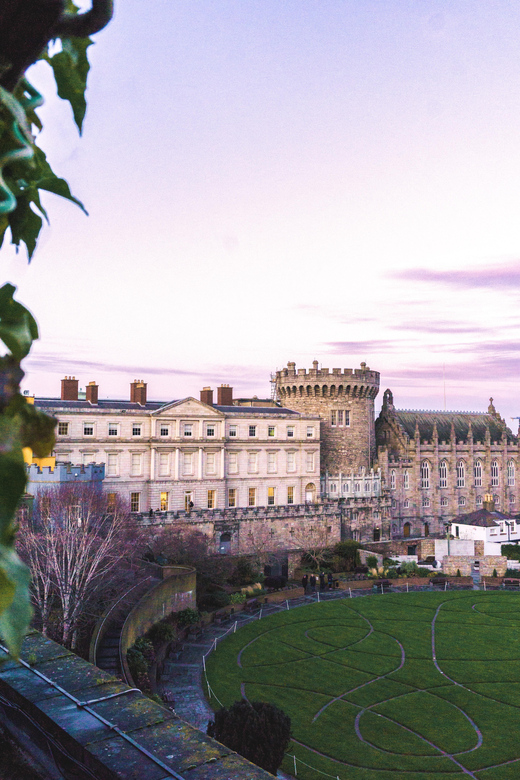
Dublin Castle is another outside-only stop, but it gives the tour a change of scale. After the intimate streets around Temple Bar and Christ Church, the castle area feels more official and civic.
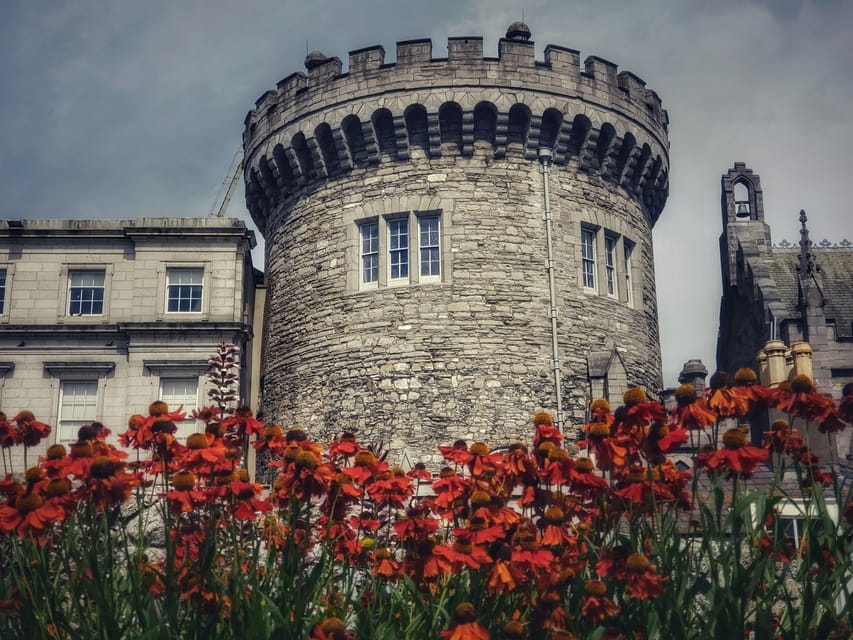
The guide explains Dublin Castle and medieval Dublin, helping you understand why this location mattered to the city’s rulers. You are likely to get the most value here if you listen for the link between the building and the wider development of Dublin, rather than treating it as a quick photo opportunity.
The tour does not include entry, so plan separately if you want to see the castle rooms. This is one of the clearest limits of the $54 price. You are paying for a guided explanation and a well-planned route, not admission to Dublin’s paid sights.
Still, the outside view can be enough for a first orientation. After the tour, you can decide if Dublin Castle deserves more of your time, rather than committing before you know what interests you.
St Patrick’s Cathedral and Dublin’s religious story
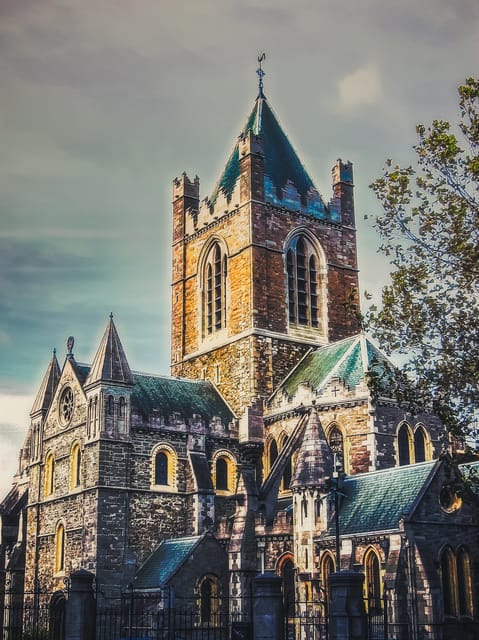
St Patrick’s Cathedral follows Christ Church as the second major cathedral on the route. Seeing both in one walk gives you a useful comparison, even though you do not enter either building.
The guide explains the cathedral’s place in Dublin’s cultural and religious story. This is the sort of stop where a live guide helps more than a quick photograph. Without explanation, the two cathedrals can blur together. With context, you begin to understand why both matter and how they relate to the city around them.
The cathedral stop also offers a quieter change of mood after the streets near the Liffey and Temple Bar. The tour still moves at a steady pace, but the sequence gives the walk a good rhythm: public street, river crossing, social district, medieval center, political landmark, then cathedral precinct.
If you want to visit inside, allow separate time before or after the walk. The activity itself provides exterior information only.
Returning toward Trinity College
The final major sight is Trinity College Dublin. The college gives the tour a strong finish because it brings together education, literature, architecture, and Dublin’s international image.
The guide explains the college from outside. You will not visit the Book of Kells or the Old Library on this walk, and those attractions require their own arrangements. That can be a disappointment if you expected a complete Trinity visit, but it also keeps the tour within its promised two-hour frame.
Ending at Trinity makes practical sense. By this point, you have crossed much of central Dublin and seen how the city’s main districts connect. You can continue sightseeing from here, return to another part of the center, or plan a separate Trinity visit while the college is fresh in your mind.
The supplied details describe the activity as finishing at Trinity College, while the meeting information also says the activity ends back at the meeting point. Because those details do not fully match, confirm the exact end location when booking.
What the guide adds to the walk
The main value is not the number of buildings. You can find most of these places on a map. The value is having someone explain why they matter while you are standing in front of them.
The strongest praise centers on guides who combine facts with humor and patience. Matthew is noted for answering many questions and taking his time with the group. A Belgian guide is also praised for clear facts and dates about both older and modern Dublin. Those comments suggest that the best part of this activity is the live exchange, not simply the route.
The activity is listed in French, so it suits French-speaking visitors who want a full explanation without relying on English. Confirm the language at booking if this is important to you. No other guide language is listed.
The experience is also marked wheelchair accessible. The full walk remains two hours on city streets, so you should consider your own comfort and stamina. The supplied details do not explain the exact route surface or restroom arrangements, so ask the provider if you need those specifics.
Is $54 a fair price for two hours?
At $54 per person, this is not the cheapest way to see Dublin’s center. You can walk past many of the landmarks on your own for free. The question is what you want from the outing.
I think the price makes sense if you value a French-speaking guide, want the main sights organized into one route, and prefer explanations to independent reading. It is also useful early in a stay, when you need a quick map of the center and help deciding which buildings deserve a separate visit.
The value is weaker if you plan to enter several attractions. Since Christ Church Cathedral, St Patrick’s Cathedral, Dublin Castle, the GPO Museum, and Trinity College are viewed from outside, you will pay additional admission fees if you want the interiors. Think of this activity as a city orientation with history, not an admission bundle.
Flexible booking improves the deal. You can reserve now and pay later, and cancellation is free up to 24 hours before the start for a full refund. Starting times vary, so check availability for the date you want.
Who should book this Dublin walk?
This tour suits a first-time visitor who wants the essential center in one compact outing. It is particularly useful if you have only a short stay, speak French, or feel more comfortable asking questions than reading up on each sight alone.
It also works for visitors who want a historical framework before exploring independently. After two hours, you will know where the GPO, Liffey, Temple Bar, cathedrals, castle, and Trinity College sit in relation to one another.
You may want something else if your priority is entering landmarks, spending time inside museums, or moving at a slow photographic pace. The route covers many stops, so each one receives an explanation rather than a long visit.
Wear comfortable shoes and dress for the weather. Dublin can change quickly, and there is no point trying to absorb dates and stories while worrying about wet clothes or sore feet.
Should you book it?
Book this walk if you want a well-organized first look at central Dublin, especially with a French-speaking guide. The route is broad, the landmark list is strong, and the guides are praised for facts, humor, and thoughtful answers.
Skip it if you mainly want interior access. In that case, spend the $54 toward individual admissions and explore at your own speed. For everyone else, this is a practical way to get your bearings, hear the city explained in plain terms, and finish with a clear plan for the rest of your Dublin visit.
FAQ
How long is the Dublin walking tour?
The tour lasts two hours. Starting times vary, so check availability for your chosen date.
How much does the tour cost?
The listed price is $54 per person.
What language is the tour offered in?
The activity includes a live French-speaking guide.
Where does the tour begin?
Meet at the foot of the Spire, on the GPO side.
Where does the tour finish?
The route lists Trinity College as the finish. The meeting information also says the activity ends back at the meeting point, so confirm the exact ending location when booking.
Do you go inside the cathedrals, Dublin Castle, or Trinity College?
No. The guide provides information from outside the buildings, and interior visits are not included.
Is the tour wheelchair accessible?
Yes, the activity is listed as wheelchair accessible.
Can I cancel or pay later?
You can reserve now and pay later. Cancellation is free up to 24 hours in advance for a full refund.
Just added around Dublin
- Women Of Ireland: Trailblazers & Pioneers★ 5.0 · 4 reviews
- Full Day Private Wicklow Tour★ 5.0 · 12 reviews
- Wicklow Mountains & Glendalough Luxury Private Day Tour★ 5.0 · 23 reviews
- Wicklow tour of Glendalough★ 4.5 · 8 reviews
- Premium Irish Whiskey Tasting Hosted by Local Dublin Expert★ 5.0 · 77 reviews
- Whiskey Tasting Tour of Dublin★ 5.0 · 117 reviews
- Dublin To Kilkenny Castle Waterford Crystal Private Car – Day Tour★ 5.0 · 8 reviews
- Historical Walking Tour of Dublin★ 5.0 · 50 reviews
Walking Tours, compared.
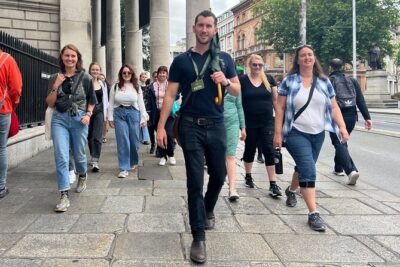
Dublin Highlights and Hidden Gems Guided Walking Tour
Read our review →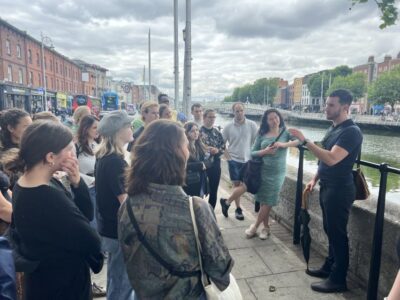
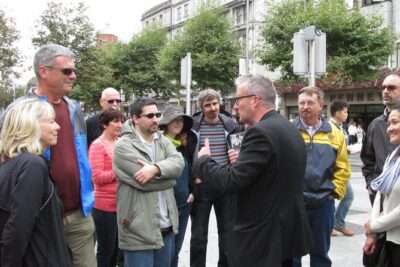

90 Minute Dublin Walking tour and Sightseeing tips
Read our review →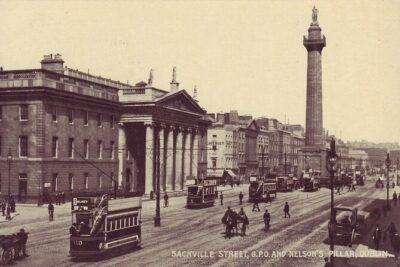

Historical 2-Hour Guided Walking Tour of Dublin
Read our review →
Dublin Traditional Irish 3 Course Meal Walking Tour with Local
Read our review →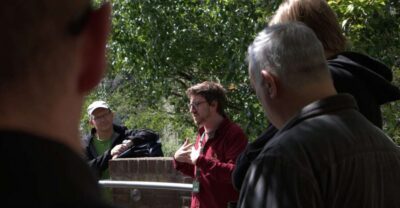
Browse the lists this tour appears in