
Reviewed · MUSEUMS
Irish Wake Museum Tour Rituals of Death and Celebration of Life
The Irish Wake Museum tackles a subject most museums avoid: how Irish communities faced death, mourned their loved ones, and turned a funeral into a shared social ritual. Inside a 15th-century Almshouse, you follow six centuries of Waterford life through customs, folklore, and objects linked to wakes.
I like the small setting and the way the tour connects funeral practice with the wider story of Waterford. I also like that guides such as Tobie and Deirdre bring warmth and humor to difficult material. The main consideration is clear: realistic depictions of the recently deceased and discussion of illness, injury, and death may upset some people, and the museum advises against bringing children under eight.
Key points to know
- A 45-minute guided visit gives you a focused look at Irish wake traditions without taking up half a day.
- The 15th-century Almshouse provides the setting, linking the museum to six centuries of local life.
- Irish folklore and funeral customs are explained together, so the objects have a social and cultural context.
- Tobie and Deirdre are among the guides praised for clear explanations, good delivery, and well-judged humor.
- The subject matter is frank, with realistic depictions and references to death, illness, and injury.
- The price is $17.54 per person, a fair charge for a guided museum experience in a historic building.
Entering Waterford’s 15th-century Almshouse
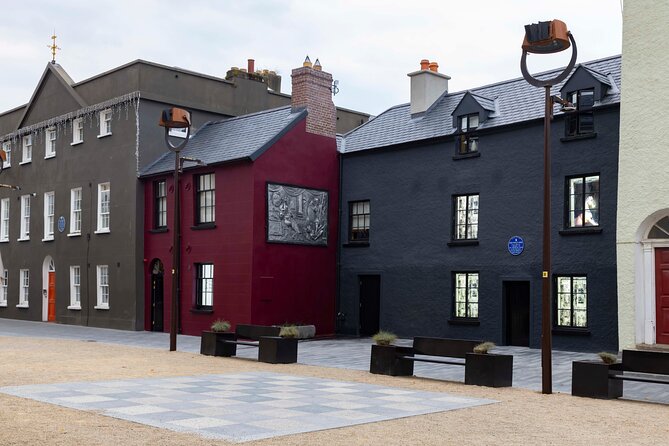
The setting does much of the early work. This is not a modern exhibition hall where displays are separated from the past by polished glass and bright labels. The museum occupies a building that was once a 15th-century Almshouse, a place closely tied to care, hardship, life, and death in Waterford.
That location gives the visit a sense of place before the guide says much at all. You are not simply learning about Irish wakes in the abstract. You are hearing about customs inside a building associated with local life across six centuries.
The building is also compact, which suits the topic. The tour feels focused rather than sprawling. In about 45 minutes, you can concentrate on one important part of Irish culture without worrying about museum fatigue.
The setting may appeal most if you enjoy historic interiors and small museums with a clear theme. If you prefer large collections, long free-roaming visits, or a lighter subject, this may feel more intense and limited in scope.
A few more Waterford half-days to weigh up
- House of Waterford Crystal Guided Factory Tour
★ 4.5 · 2,303 reviews - Skip the Line: Hook Lighthouse Entrance Ticket and Guided Tour
★ 5.0 · 470 reviews - Waterford: House of Waterford Factory Tour
★ 4.8 · 256 reviews
What happens during the 45-minute tour

The experience begins and ends at Waterford Treasures: Irish Wake Museum on Cathedral Square. It is a fully guided visit, so you are not left to work out the meaning of the displays by yourself.
Your guide leads you through the museum’s treatment of death and funeral practice. The aim is not simply to show old objects. You are given the background needed to understand why a wake developed its distinctive customs and why it held such an important place in Irish community life.
The tour also places those customs within Waterford’s wider past. This is one of the strongest features of the experience. You get a museum about wakes, but you also get a compact history lesson about the city and the people who lived here.
The short length helps keep the presentation sharp. A 45-minute tour is long enough to give the subject substance, yet short enough to fit around other stops in Waterford. You could reasonably pair it with another Waterford Treasures museum or a walk through the surrounding city center, though the supplied details do not specify a particular combined ticket or route.
Because the visit is guided, the quality of the explanation matters. Tobie has been praised for combining strong information with brilliant humor, while Deirdre has been praised for her precise delivery and command of the subject. Those details matter here. A tour about death could become grim or overly solemn, but a good guide can give the subject human shape without making light of it.
Irish wakes, folklore, and the meaning behind the customs
The museum’s central value is that it explains the why behind Irish funeral traditions. You will hear folklore linked to death and mourning, then connect those stories to the practical customs of a wake.
That approach helps you see the wake as more than a funeral ritual. It was also a way for a community to gather, share grief, remember the dead, and face an unsettling part of life together. The museum explores the origins of those customs, giving you a clearer sense of how beliefs and social habits worked side by side.
The folklore element adds another layer. If you only looked at funerary objects, you might learn what people used but not what they believed. If you only heard stories, you might miss the practical side of mourning. The tour brings both together.
This makes the museum useful for anyone curious about Irish culture beyond castles, churches, and scenic roads. Death customs reveal ordinary family and community life in a direct way. They show how people responded to illness, loss, fear, faith, and the need for companionship.
You should not expect a broad survey of every Irish funeral tradition. The visit is short and centered on the wake. Its strength is focus, not coverage of every period or region.
Rare objects and realistic depictions
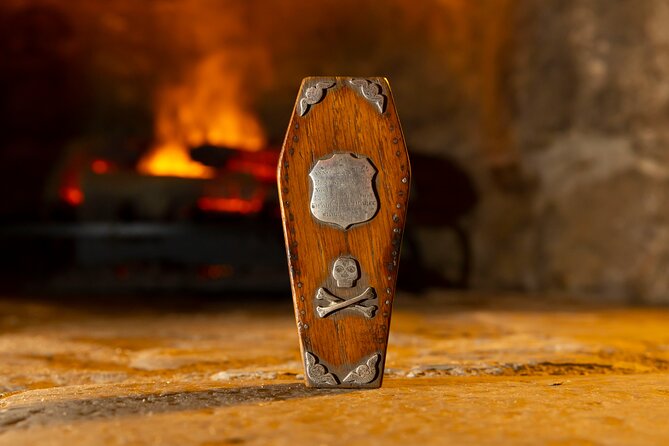
The museum contains rare artifacts connected with Ireland’s funerary customs. Their value is not just age or rarity. Objects become meaningful when the guide explains how they relate to mourning and the customs surrounding a death.
This is where the guided format earns its price. Without context, funerary objects can seem strange or even theatrical. With explanation, they become evidence of how people organized grief and marked the passage from life to death.
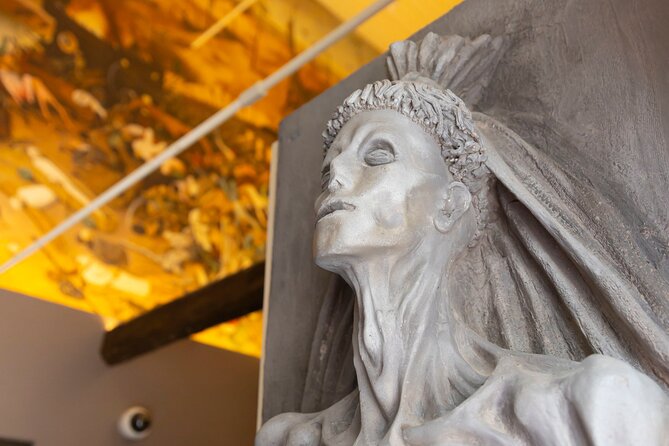
The museum also uses realistic depictions of the recently deceased. This is an important warning, not a minor footnote. The displays are designed to present the subject plainly, and you should think carefully about your comfort level before booking.
The museum specifically warns that the visit includes mention of death, injury, and illness. It advises that the experience is not suitable for children under eight at a minimum. Older children may still react differently to the subject, so parents should use their own judgment rather than relying only on the age guidance.
For adults interested in social history, this direct approach can make the tour more affecting and useful. For anyone sensitive to medical or death-related imagery, it may be too much. You can appreciate Irish culture in many other ways around Waterford, so there is no need to force this particular visit.
More museums and heritage sites in Waterford:
- Waterford Treasures: Medieval Museum Admission Ticket
★ 4.5 · 132 reviews - Waterford Treasures: Medieval Museum Entry Ticket
★ 4.5 · 20 reviews - Waterford: The Irish Wake Museum Guided Tour
★ 4.8 · 6 reviews - Irish Rock ‘N’ Roll Museum Experience Dublin
★ 5.0 · 6,112 reviews
Why the small group matters
The experience is presented as an intimate tour, with a highlighted limit of four people, while the formal activity details give a maximum of 12. That difference is worth noting when you book. The actual group may be very small, but you should treat 12 as the stated upper limit.
A small group is a real advantage in a museum of this kind. The subject benefits from a calm pace and room for questions. You are less likely to feel as if you are being pushed through a large crowd, and the guide can keep the tone measured.
It also makes the building feel more personal. An old Almshouse with a subject this intimate would lose some of its force if packed with a large tour group. The compact format supports close listening and careful observation.
Still, do not expect a private tour simply because the experience is often intimate. The stated maximum is 12, and other people may join your booking. If a very small group is especially important to you, check the availability details before paying.
The guides make or break the tone
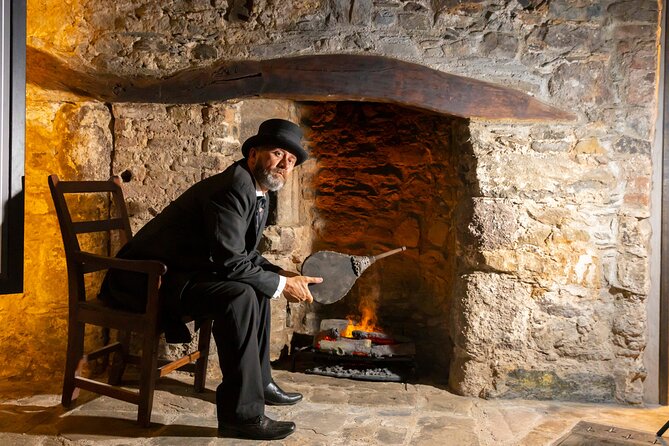
A subject like this needs a guide who can explain difficult material without becoming cold, theatrical, or careless. The strongest comments about the experience focus on exactly that balance.
Tobie is praised for excellent humor and informative storytelling, with the tour also covering Waterford’s wider past. Deirdre is praised for clear delivery and strong command of the material. These details suggest that the presentation is not just a list of facts. It depends on the guide’s ability to judge the mood of the room.
I would especially value that skill here. A few well-timed moments of humor can help you handle serious material, but the guide still needs to respect the subject. The experience appears designed to be thoughtful rather than bleak.
Guide quality can vary from one departure to another, of course. The named feedback gives you useful examples, but it does not guarantee which guide you will meet. You should book this for the museum’s subject and setting first, then regard a strong guide as an important benefit.
Is $17.54 good value?
At $17.54 per person, this is not a free museum stop, but it is a reasonable price for a 45-minute guided experience in a historic building. You are paying for more than admission. The cost includes a professional guide who explains the artifacts, folklore, funeral practices, and Waterford context.
The value is strongest if you prefer interpretation over self-guided browsing. A small collection can justify its price when the guide gives you the missing context and helps you understand customs that might otherwise seem obscure.
The value is weaker if you only want a quick look at objects or dislike guided visits. Forty-five minutes is a fixed experience, and the theme is narrow. You are not buying access to a huge museum that could occupy an entire afternoon.
For a short Waterford visit, I think the price makes sense if the subject interests you. It is also a manageable addition to a day of sightseeing. You can learn something distinctive without committing several hours or paying for an expensive full-day tour.
The high 4.9 rating from 115 reviews and 97 percent recommendation figure suggest consistently strong satisfaction, especially with the guides, delivery, and historical content. Those figures should not replace your own judgment about the subject matter, but they support the idea that the experience is well run.
Who should book this experience?
I would recommend it to adults interested in Irish customs, local history, folklore, and the less polished parts of cultural life. It is particularly useful if you want to understand Ireland through ordinary rituals rather than only through famous buildings and scenic attractions.
It also suits repeat visitors to Ireland. You may already know the standard stories about saints, castles, and emigration. A museum about wakes offers a different window into how communities handled fear, grief, and family duty.
The tour can work well for couples, solo visitors, or small groups who enjoy thoughtful conversation. The intimate format and short duration make it easy to fit into a Waterford itinerary.
I would hesitate to recommend it to young children, people who are uncomfortable with realistic death imagery, or anyone looking for a cheerful family attraction. The museum is not presented as a spooky novelty or a light entertainment stop. Its subject is serious, even when the guide uses humor.
Practical details before you go
You meet at Waterford Treasures: Irish Wake Museum, Cathedral Square, Waterford, Ireland. The activity ends back at the same meeting point, which makes planning simple.
A mobile ticket is provided, and the tour is offered in English. The museum is near public transportation, and most people can participate. No special physical requirements are stated in the provided details, so you should contact the provider directly if you have a specific mobility or access concern.
Confirmation is received at the time of booking. The experience is generally booked about 12 days ahead, so I would avoid leaving it until the last morning of your Waterford stay if your schedule is tight.
Free cancellation is available up to 24 hours before the start time for a full refund. Cancellations or changes made less than 24 hours before the start time are not accepted for a refund, and all cut-off times use local time.
My call: book it if the subject fits you
Book the Irish Wake Museum if you want a short, guided, place-specific look at Irish mourning customs inside a genuinely old Waterford building. The combination of folklore, rare funerary artifacts, local history, and strong guide delivery gives the visit more substance than its 45-minute length suggests.
Skip it if realistic depictions of death, illness, or injury would make you uncomfortable. This is not a casual stop for everyone, and the museum is right to give a clear warning.
For the right visitor, the $17.54 price is fair. You get a focused cultural experience, a professional guide, and a side of Irish life that most sightseeing routes leave out. Check the group size when booking, allow 45 minutes, and approach the museum ready for serious subject matter presented with care.
FAQ
Where is the Irish Wake Museum?
The museum is at Waterford Treasures: Irish Wake Museum, Cathedral Square, Waterford, Ireland.
How long does the tour last?
The guided tour lasts approximately 45 minutes.
What is the price?
The listed price is $17.54 per person.
Is a guided tour included?
Yes. Admission includes a guided tour and a professional guide.
What language is the tour offered in?
The tour is offered in English.
Where does the activity end?
The activity ends back at the meeting point at the Irish Wake Museum.
How many people can join the tour?
The formal activity information gives a maximum of 12 travelers. The experience is also promoted as an intimate tour limited to four people, so group size can vary by departure.
Is the museum suitable for children?
The museum advises that the experience is not suitable for children under eight years old at a minimum.
Does the tour include difficult or upsetting material?
Yes. The tour includes discussion of death, injury, and illness, as well as realistic depictions of the recently deceased. This may be upsetting for some people.
Can I cancel for a full refund?
Yes. You can cancel at least 24 hours before the experience start time for a full refund. Cancellations or changes made less than 24 hours before the start time are not accepted for a refund.
Just added around Waterford
- Waterford Treasures: Medieval Museum Entry Ticket★ 4.5 · 20 reviews
- Waterford: The Irish Wake Museum Guided Tour★ 4.8 · 6 reviews
- Waterford Treasures: Walking Tour of the Viking Triangle★ 4.7 · 43 reviews
- Waterford: Mount Congreve Gardens Entry Ticket★ 5.0 · 7 reviews
- Waterford Treasures: Medieval Museum Admission Ticket★ 4.5 · 132 reviews
- Waterford, Kilkenny and House of Waterford Crystal★ 4.0 · 12 reviews
- Irelands Ancient East Waterford Greenway Cycle Tours & Bike Hire★ 3.5 · 16 reviews
- Semi Private tour Rock of Cashel – Cahir castle & Kilkenny★ 3.5 · 9 reviews
Museums, compared.

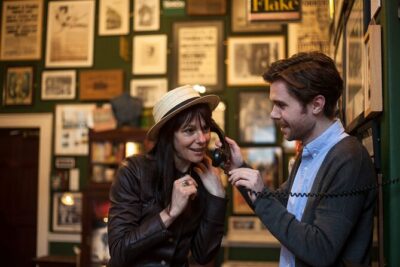
The Little Museum of Dublin Famous Guided Tour
Read our review →

Giant’s Causeway with the Titanic Exhibition and the best of Northern Ireland
Read our review →


Irish Whiskey Museum: Whiskey Blending Experience
Read our review →
Irish Whiskey Museum Blending Tour with Tastings
Read our review →Browse the lists this tour appears in