
Reviewed · MUSEUMS
Waterford Treasures: Medieval Museum Entry Ticket
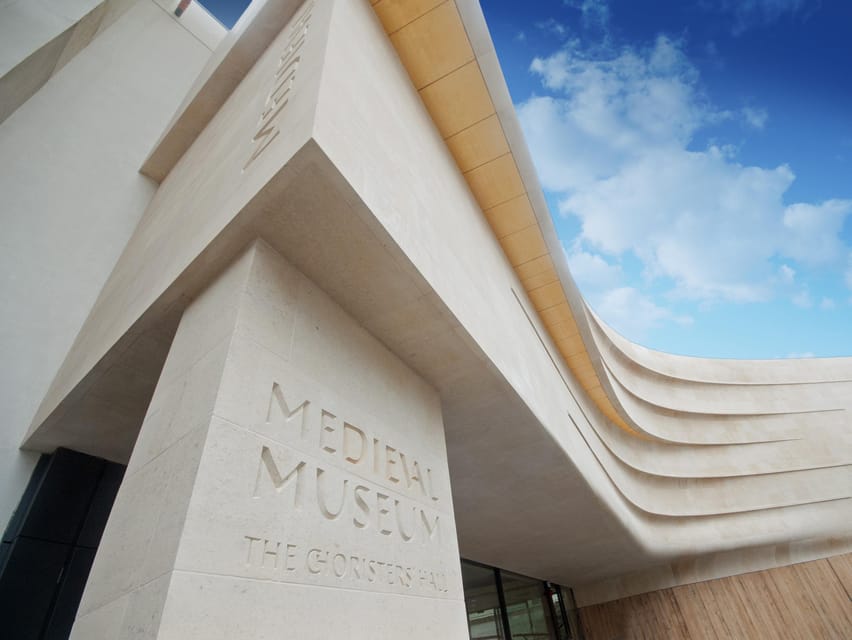
Waterford’s Medieval Museum gives you something unusual: a chance to walk into two genuine medieval underground chambers, then see some of Ireland’s most important surviving treasures above them. The museum is built around the 1270 Choristers Hall and a 1440 wine vault, making the building itself part of the story.
I like the way the visit brings old Waterford down to human scale. You are not just staring at objects behind glass. You are standing in the spaces where medieval life actually unfolded, then seeing remarkable pieces such as the cloth-of-gold church vestments and the Great Charter Roll. The main drawback is that guided tours depend on availability, and one booking report describes paying for a guide without receiving one, so confirm the tour option at reception before you begin.
Key points to know before you go
- Two real medieval undercrofts: Enter the 13th-century Choristers Hall and the 15th-century wine vault beneath the museum.
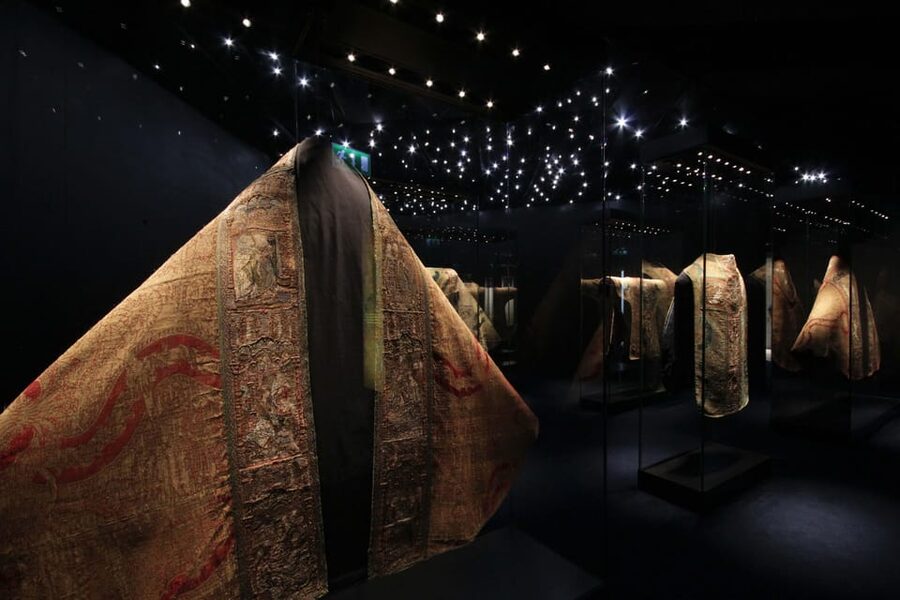
- Rare church vestments: See magnificent 15th-century cloth-of-gold garments, among the major treasures on display.
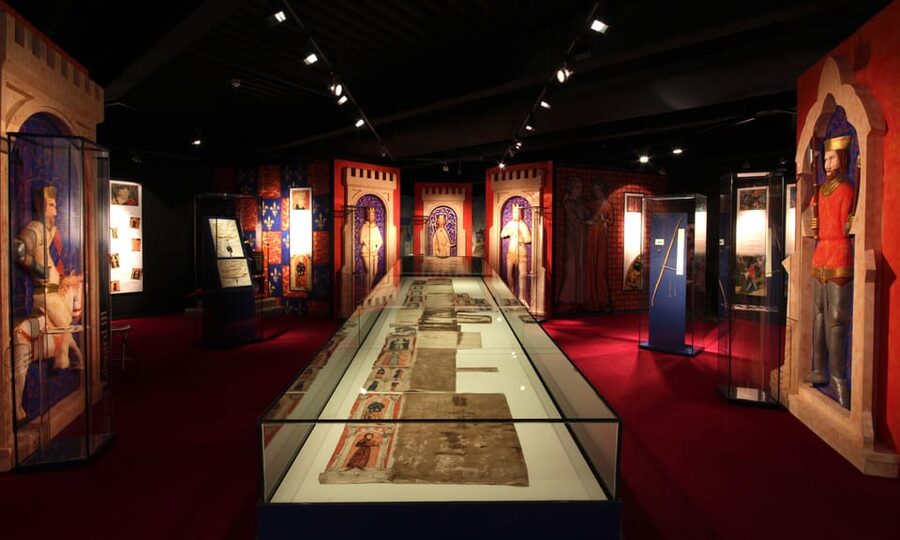
- Waterford’s Great Charter Roll: View an important record of the city’s medieval story, once seen by King Charles III and the Queen Consort.
- A compact visit: Allow about 45 minutes, though the self-guided route is also described as taking about an hour.
- Guided option at reception: Ask about availability when you arrive rather than assuming a guide is guaranteed.
- Good central stop: The museum sits in Waterford’s Viking Triangle, alongside more than 1,000 years of local history.
Entering Waterford through its medieval vaults
The clever part of this museum is under your feet. Ireland’s only purpose-built medieval museum incorporates two ancient undercrofts, so your visit begins in spaces rather than with a long display of dates and names.
The first chamber is Choristers Hall, dating from 1270. The name points to its connection with the cathedral world of medieval Waterford. Even without a long tour, the room gives you a clear sense of the age and purpose of the building.
Next comes the wine vault, built around 1440. These chambers are the strongest reason to choose this museum over a general city history display. You can look at medieval objects in many museums, but here you also move through the kind of enclosed stone rooms that helped shape daily life in the city.
The setting makes the visit feel concrete. Waterford is Ireland’s oldest city, and the Viking Triangle holds more than 1,000 years of local history. The museum provides a focused way to meet that past without committing half a day to a large complex.
A few more Waterford half-days to weigh up
- House of Waterford Crystal Guided Factory Tour
★ 4.5 · 2,303 reviews - Skip the Line: Hook Lighthouse Entrance Ticket and Guided Tour
★ 5.0 · 470 reviews - Waterford: House of Waterford Factory Tour
★ 4.8 · 256 reviews
What you see in the 45-minute visit
The advertised duration is about 45 minutes, with the self-guided route also described as lasting roughly an hour. That makes this an easy addition to a day in Waterford. You can fit it between other sights, though you should allow enough time to read the displays rather than rushing from one object to the next.
At the reception desk, staff can tell you if a guided tour is available. If one is running, it may help you understand the purpose of the chambers and the importance of the objects more quickly. If not, you can begin the self-guided visit.
The self-guided format gives you control. You can spend more time with the items that interest you, especially the Great Charter Roll and the church vestments. The trade-off is simple: you need to read and connect the information yourself.
The museum does not promise a guide for every entry. One reported booking problem involved a customer paying for a guided experience but not receiving one. I would ask a direct question at reception: Is a guide available now, and is the guided tour included with my ticket? If the answer is no, you can decide at once if the self-guided visit suits your plans.
The 1270 Choristers Hall
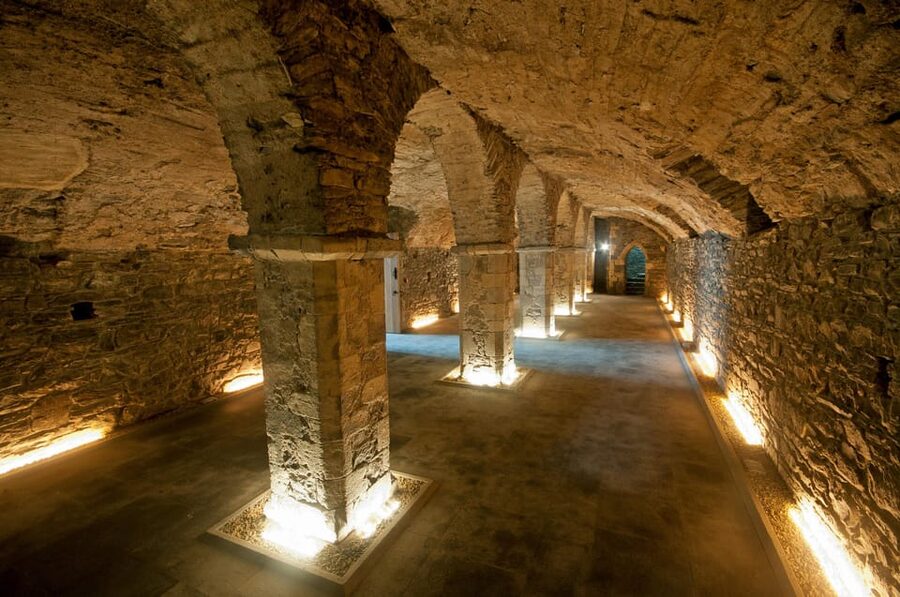
Choristers Hall is one of the two major architectural features. Dating to 1270, it takes you into Waterford’s medieval religious world through an actual historic chamber rather than a modern reconstruction.
The hall is valuable because it gives context to the objects displayed elsewhere. Medieval church items can seem remote when shown alone. In a period chamber linked to cathedral life, they make more sense as working objects used by real people.
You should pay attention to the change in atmosphere as you move below street level. The undercroft is not simply a decorative opening. It is part of the museum’s identity and one of the few reasons this short visit feels more substantial than its length suggests.
If you have children with you, the chambers may be easier to appreciate than long written panels. The rooms provide a physical starting point for questions about worship, trade, storage, and city life. The museum’s material is historical, but the rooms help keep it from feeling abstract.
The 1440 wine vault and medieval trade
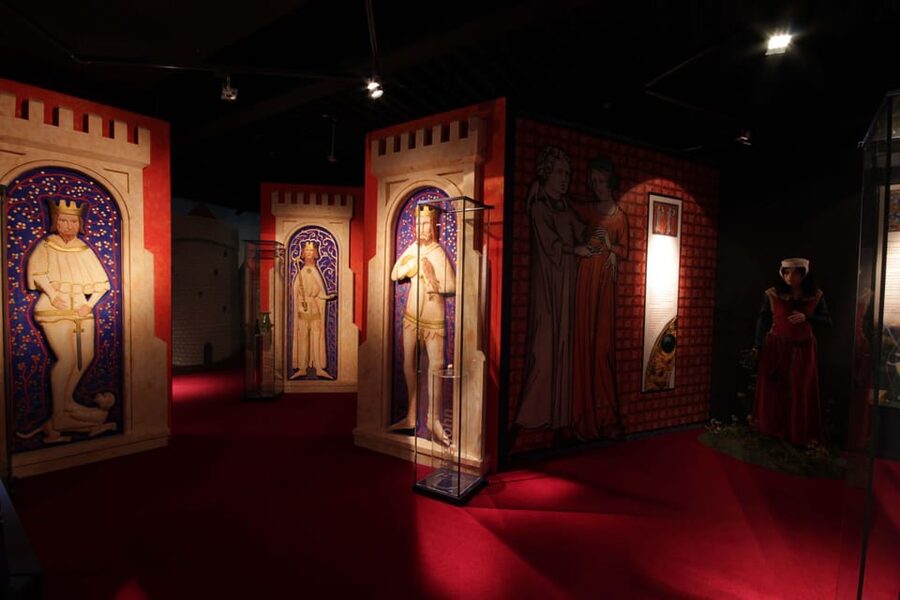
The second undercroft is the 15th-century wine vault, dating from 1440. Its name links the museum to Waterford’s commercial past and to the city’s role as a port and trading center.
The vault also gives your visit a useful contrast. Choristers Hall connects with religious life, while the wine vault points toward commerce and the movement of goods. Together, the two rooms show that medieval Waterford was not just a place of churches and royal records. It was also a working city with trade at its center.
Do not expect a long atmospheric tour through a complete medieval quarter. This is one building and a compact museum visit. The value comes from the quality of the surviving spaces and the objects connected with them, not from a large number of rooms.
That compact scale works well if you want a first introduction to Waterford. It may feel too brief if you are looking for a full-day history program, but the museum pairs easily with other sights in the Viking Triangle.
More museums and heritage sites in Waterford:
- Waterford Treasures: Medieval Museum Admission Ticket
★ 4.5 · 132 reviews - Irish Wake Museum Tour Rituals of Death and Celebration of Life
★ 5.0 · 115 reviews - Waterford: The Irish Wake Museum Guided Tour
★ 4.8 · 6 reviews - Irish Rock ‘N’ Roll Museum Experience Dublin
★ 5.0 · 6,112 reviews
The cloth-of-gold church vestments
The 15th-century cloth-of-gold church vestments are the museum’s most immediately striking display. Their materials and workmanship show the wealth and care that could go into medieval religious clothing.
These are not ordinary garments. The cloth of gold gives them a formal, ceremonial presence, and the age of the pieces makes their survival especially notable. I would give this display more than a passing glance. Look at the detail, the fabric, and the way the items were designed to be seen during worship.
The vestments also help explain why a museum focused on medieval Waterford matters beyond the city itself. They are examples of Irish medieval craftsmanship and religious culture, not just local souvenirs from the past.
You will get more from them if you connect the objects with Choristers Hall. The room and the vestments belong to the same broad religious setting, even though the display and architecture serve different purposes. That connection is one of the museum’s quiet strengths.
The Great Charter Roll and Waterford’s civic story
The Great Charter Roll is another major highlight. It records part of Waterford’s civic and political history and gives the museum a document of unusual importance.
The roll has also attracted high-profile attention, having been viewed by King Charles III and the Queen Consort. That detail may catch your eye, but the real reason to see it is its connection to the city’s medieval identity. It is a surviving record of how Waterford presented and recorded its status.
For you, the roll provides a useful balance to the museum’s religious displays. The vestments show ceremony and devotion. The charter roll brings in government, law, and civic power.
Because this is a document rather than a room or a piece of clothing, it may require more patience. Take time to consider what a charter meant in a medieval city. The museum’s displays are strongest when you look at them as parts of one story, not as separate curiosities.
Why the Viking Triangle location helps
The Medieval Museum is in Waterford’s Viking Triangle, an area built around the city’s long history. The location makes it a practical stop for anyone already exploring central Waterford.
You do not need to treat the museum as an isolated attraction. It can serve as an anchor for a history-focused walk through the city. Start here to understand the medieval period, then continue through the surrounding area with a clearer sense of Waterford’s age and importance.
The museum is especially useful early in your visit because it provides historical bearings. You will not leave knowing every detail of Waterford’s past, but you will have a stronger framework for understanding the city’s medieval buildings, religious heritage, and trade connections.
The setting also keeps the experience from feeling like a generic museum stop. You are seeing Waterford’s own objects in Waterford’s historic center, rather than visiting a collection detached from its original place.
Guided tour or self-guided visit?
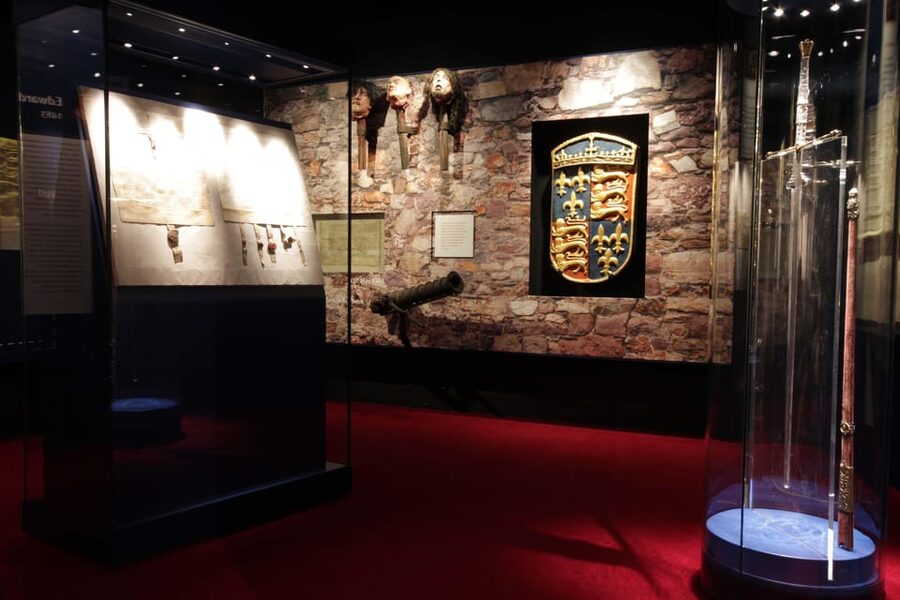
A guided tour is included with admission when available. If you prefer explanations, ask at the reception desk before entering the exhibits. Availability matters, and it is not presented as a guaranteed part of every visit.
A guide can make a short visit more efficient. You can learn why the undercrofts matter, what makes the vestments unusual, and how the Great Charter Roll fits into Waterford’s story without stopping to work it all out alone.
The self-guided option is better if you want to move at your own pace. You can linger over the displays, read selectively, and keep the visit within your schedule. It also removes the need to wait for a particular tour time if one is not running.
My practical advice is to decide what matters most before you arrive. If the guide is essential, confirm availability and inclusion at reception. If the chambers and main objects are your priority, the self-guided visit still gives you access to the central experience.
Is the $15 admission good value?
At $15 per person, this is not the cheapest quick stop in Ireland, but the price is reasonable if you care about medieval history and original historic spaces.
You are paying for more than a standard exhibition room. Admission includes access to the purpose-built museum, both ancient undercrofts, the cloth-of-gold vestments, and the Great Charter Roll. A guided tour is included when available, which improves the value if you receive one.
The visit is less compelling if you judge value only by time. Forty-five minutes can feel short for $15, especially if you are moving quickly through Waterford and have many free outdoor sights ahead. The answer depends on what you want from the day.
I would call it good value for a history-minded visitor who will read the displays and appreciate the building. It is also a sensible choice in poor weather, when the underground chambers and concentrated collection give you a clear indoor activity.
The reserve-now, pay-later option can help if your plans are still changing. Free cancellation is available up to 24 hours before the visit for a full refund. These terms matter if your Waterford schedule depends on transport or other timed activities.
Who should make time for this museum?
I would recommend the Medieval Museum to you if you like old buildings, church history, civic documents, or short museum visits with a strong local focus.
It suits:
- Couples and solo visitors who want a focused historic stop.
- Families who prefer real rooms and visible objects to long stretches of text.
- Visitors already exploring the Viking Triangle.
- Anyone interested in Ireland’s medieval religious and civic past.
- People looking for an indoor activity that fits into less than an hour.
It may not suit you if you want a large museum with many galleries, meals included, or a long guided program. Food and drinks are not part of admission, though they are available at the Bishop’s Palace Café. Souvenirs are also separate, with a gift shop at the Medieval Museum.
The building is wheelchair accessible, which makes the museum workable for visitors who need step-free access. You should still ask reception about the best route if you have specific mobility needs, since the museum incorporates ancient undercrofts.
My verdict on Waterford’s Medieval Museum
Book this if you want a compact, place-specific look at Waterford’s medieval past. The two undercrofts give the visit its strongest character, while the vestments and Great Charter Roll provide the major visual and historical rewards.
I would not book it expecting a long guided tour every time. Confirm the guide at reception, and be ready to use the self-guided route if no tour is available. At $15, the experience earns its price through the historic rooms and important objects, not through sheer size.
For most visitors, the best plan is to allow an hour, explore without rushing, and use the museum as a starting point for the Viking Triangle. If you want to understand why Waterford’s oldest city center matters, this is a practical and worthwhile stop.
FAQ
Where is the Medieval Museum located?
The Medieval Museum is in Waterford, County Waterford, Ireland, in the Viking Triangle.
How long does the visit take?
The stated duration is about 45 minutes. The museum visit is also described as taking about one hour for a guided or self-guided experience.
What is included with admission?
Your ticket includes entry to the Medieval Museum. A guided tour is included when one is available.
Is a guided tour guaranteed?
No. Guided tours are subject to availability. Go to the reception desk first, where staff can explain whether a guided tour is running or help you begin a self-guided visit.
What historic rooms can I see?
You can visit the 13th-century Choristers Hall, dating from 1270, and the 15th-century wine vault, dating from 1440.
Is the museum wheelchair accessible?
Yes, the activity is listed as wheelchair accessible.
Can I cancel my booking?
Yes. You can cancel up to 24 hours in advance for a full refund. A reserve-now, pay-later option is also available.
Just added around Waterford
- Waterford: The Irish Wake Museum Guided Tour★ 4.8 · 6 reviews
- Waterford Treasures: Walking Tour of the Viking Triangle★ 4.7 · 43 reviews
- Waterford: Mount Congreve Gardens Entry Ticket★ 5.0 · 7 reviews
- Waterford, Kilkenny and House of Waterford Crystal★ 4.0 · 12 reviews
- Irish Wake Museum Tour Rituals of Death and Celebration of Life★ 5.0 · 115 reviews
- Waterford Treasures: Medieval Museum Admission Ticket★ 4.5 · 132 reviews
- Irelands Ancient East Waterford Greenway Cycle Tours & Bike Hire★ 3.5 · 16 reviews
- Semi Private tour Rock of Cashel – Cahir castle & Kilkenny★ 3.5 · 9 reviews
Museums, compared.


The Little Museum of Dublin Famous Guided Tour
Read our review →

Giant’s Causeway with the Titanic Exhibition and the best of Northern Ireland
Read our review →


Irish Whiskey Museum: Whiskey Blending Experience
Read our review →
Irish Whiskey Museum Blending Tour with Tastings
Read our review →Browse the lists this tour appears in