
Reviewed · IRELAND
Kildare: Irish National Stud & Gardens
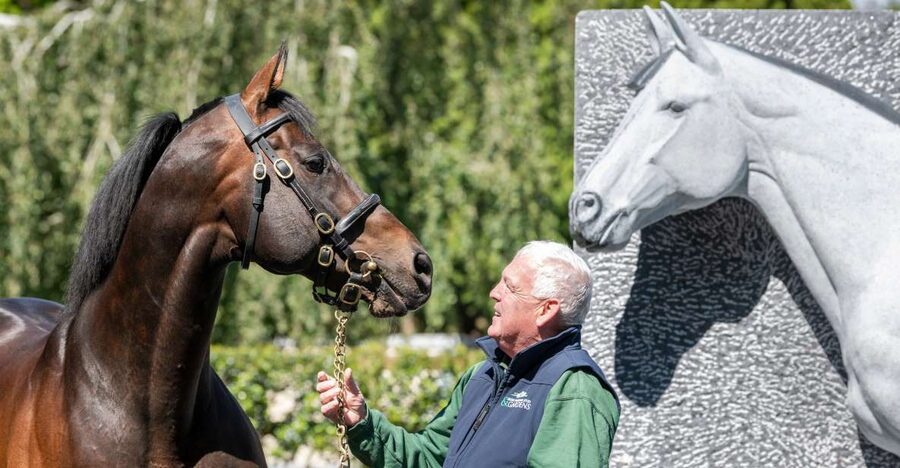
The Irish National Stud gives you a rare look at a working thoroughbred breeding farm, not just a display of horses behind a fence. You can see stallions, mares, and foals, then meet retired champions such as Hurricane Fly, Beef, Salmon, and Faugheen in the Living Legends area.
I like the mix of horses and gardens, especially the Japanese Gardens’ Life of Man path and the distinctly Irish character of St Fiachra’s Garden. I also like that the racehorse experience lets you buy a virtual yearling, follow its training, and ride a simulated race. The main consideration is timing: the public tour and interactive exhibit run on set schedules, and the farm has fewer horses from October onward.
Key points to know before you go
- The free public tour takes you through the stallions, mares, and foals, with tour times changing by season.
- The Living Legends team includes famous retired racehorses, including Hurricane Fly, Beef, Salmon, and Faugheen.
- The Irish Racehorse Experience is interactive, taking you from foaling and buying a yearling to training, betting, and race day.
- The Japanese Gardens follow the Life of Man path, a quiet walk tracing the course of a soul from birth to death and beyond.
- St Fiachra’s Garden focuses on Irish plants and wildlife, giving the visit a strong local feel.
- February through September is the best window, since the stud winds down and has limited stock from October onward.
Why the Irish National Stud is worth your time
The Irish National Stud sits on 850 acres of green County Kildare countryside, about 40 minutes outside Dublin. At $22 per person, admission covers the stud, both gardens, the public tour, and the Irish Racehorse Experience. That makes it a fair-value day out, especially if you plan to spend several hours on the grounds rather than rushing through the horse areas.
I like the fact that the place serves several kinds of interest at once. You can come for breeding and racing, for the gardens, for Irish history, or simply for an easy day outdoors. You do not need to know the difference between a stallion and a yearling to enjoy it, though the guided tour gives the visit more meaning if you are curious about how the stud operates.
This is not a quick photo stop. The grounds are spread across a large property, and you will get more from the visit if you allow time for the scheduled tour, the interactive exhibit, the Living Legends horses, and both gardens. The full experience can occupy much of a day, with the exact pace in your hands.
Other Ireland days people book alongside this one:
- Dublin to Cliffs of Moher, including Wild Atlantic Way and Galway
★ 5.0 · 23,331 reviews - From Dublin: Cliffs of Moher, Burren & Galway City Day Tour
★ 4.8 · 18,888 reviews - Dublin: Guinness Storehouse Entry Ticket
★ 4.6 · 16,863 reviews
Meeting the stallions, mares, and foals
The public tour is the best way to understand what you are seeing. It takes you through the stud areas and explains how the farm works, including the steps involved in selecting a possible future stallion and how the stud generates income.
Tour times are normally listed at 10:30 a.m., noon, 2 p.m., and 4 p.m. During the summer months, extra departures may be offered at 1 p.m. and 3 p.m. From October, the schedule narrows to 11 a.m. and 2 p.m. Check the current time before you set out, since missing the tour can change the shape of your day.
The tour lasts just over an hour based on the experience described, so plan around it rather than treating it as a casual walk-up activity. A guide such as Sue or Amanda can make a real difference here. Amanda is particularly good at explaining the horses and the workings of the stud in a way that feels personal rather than dry. If your guide has a similar approach, you will leave with a much clearer sense of what goes into breeding and raising a racehorse.
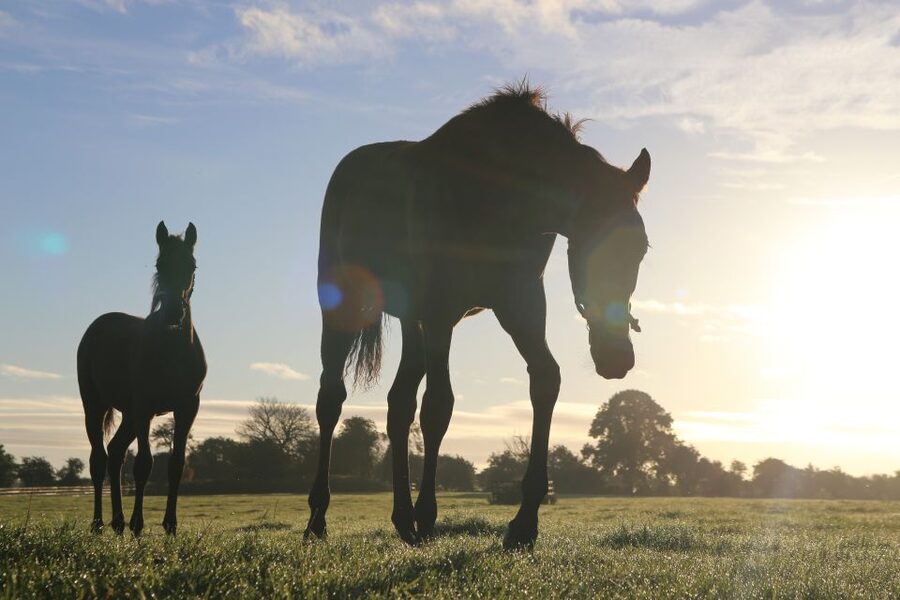
The stallions are the immediate showstopper. They are carefully bred athletes, and seeing them at close range gives you a better sense of their size, strength, and calm presence. The mares and foals offer a different mood. The young horses can be playful, while the mares remain protective and attentive.
This part does depend on the season. February through September is the strongest period for seeing more stock on the grounds. From October onward, breeding activity winds down, so you may find fewer horses available to see.
The Living Legends horses
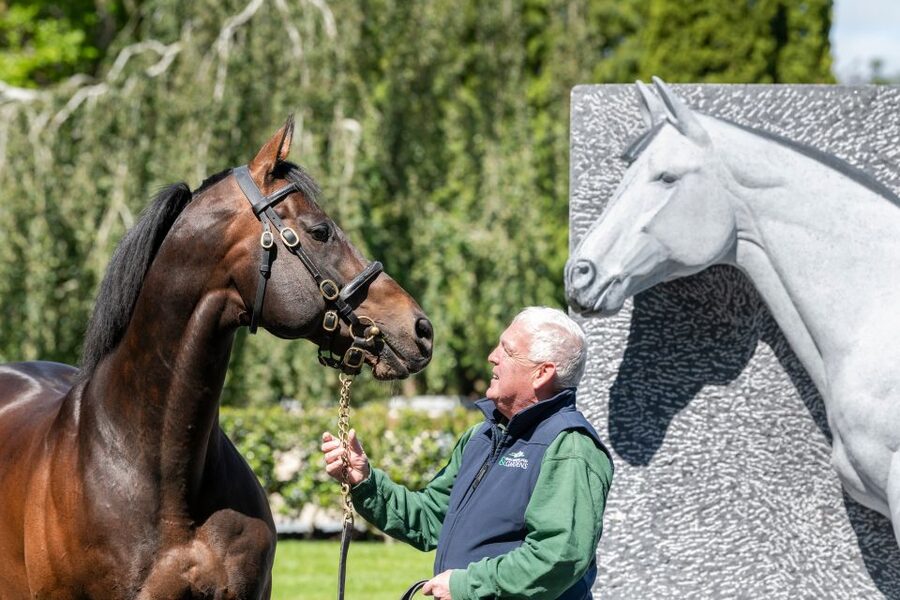
The Living Legends team gives the visit an emotional center. These are retired racehorses, many of them familiar names to anyone who follows Irish racing. Hurricane Fly, Beef, Salmon, and Faugheen are among the horses you may meet.
The attraction is not simply the chance to see famous animals. It also shows you what happens after a racing career ends. The horses graze in paddocks beside the Living Legend room, where large floor-to-ceiling windows let you watch them while learning about life after racing.
I like this section because it changes the way you think about a racehorse. A winning career is only one part of the animal’s life. The display also follows the wider paths of famous horses and racing figures around the world, giving the names in the paddock a human story.
Give yourself time here. It is tempting to walk past after the formal tour, but this is one of the quieter parts of the visit. You can watch the horses at their own pace and connect the information from the guided tour with real animals outside the window.
The Irish Racehorse Experience, from foal to finish
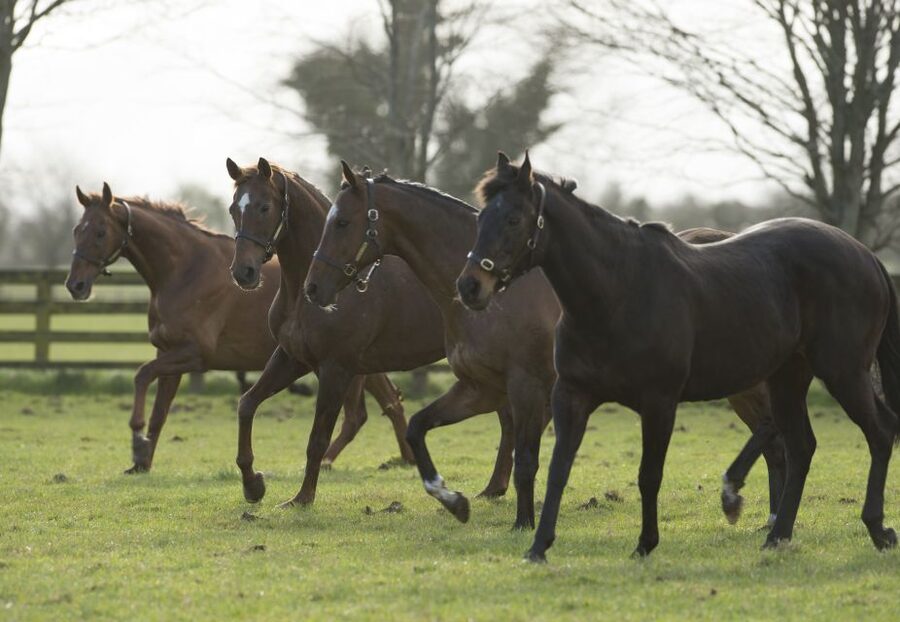
The award-winning Irish Racehorse Experience is more hands-on than the rest of the visit. It follows a horse from birth through its early years, training, racing, and retirement. You receive a horse box and take on the role of an owner.
The exhibit begins with foaling and the early development of a thoroughbred. You then enter an interactive auction, where you can purchase an unbroken yearling. This gives the display a useful sense of risk. A racehorse is not simply bought, trained, and guaranteed to win. You are making a choice before you know what the horse can do.
From there, the experience moves through training, racecourses, jockeys, and the anatomy and physiology of the horse. The rooms are designed for participation, not just reading panels. You learn how the animal’s body supports speed and how many people are involved before a horse reaches race day.
The race-day section adds fashion, betting, and animated commentary. You watch your selected horse compete, then get the chance to ride it in a simulated race. The result helps show how an investment might work, though your virtual horse’s fate is thankfully less costly than a real purchase.
Allow about 40 minutes for this section if you want to take it at a sensible pace. It is possible to spend longer, and you should not schedule it too close to the public tour. One visitor had to leave the exhibit early to make the tour, which is a good warning for planning your order.
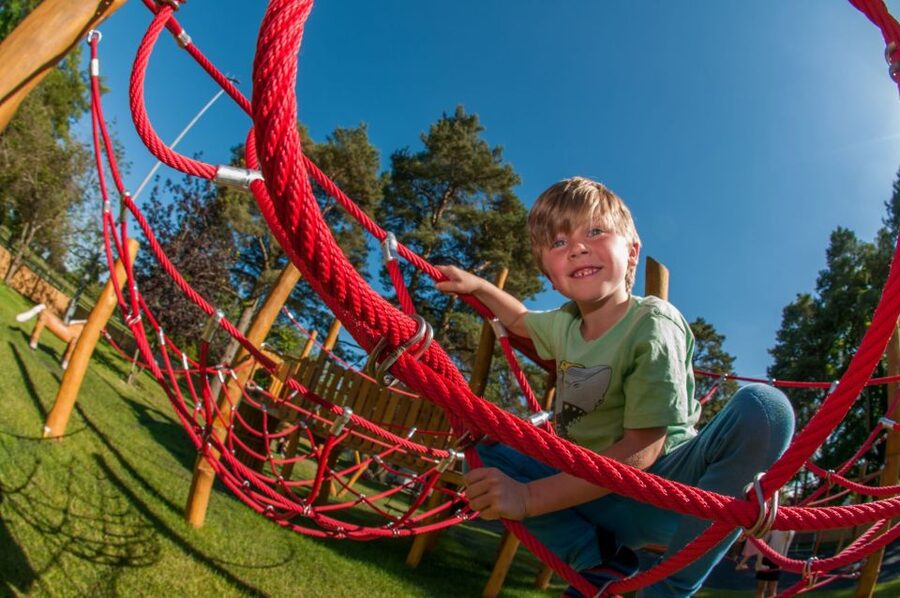
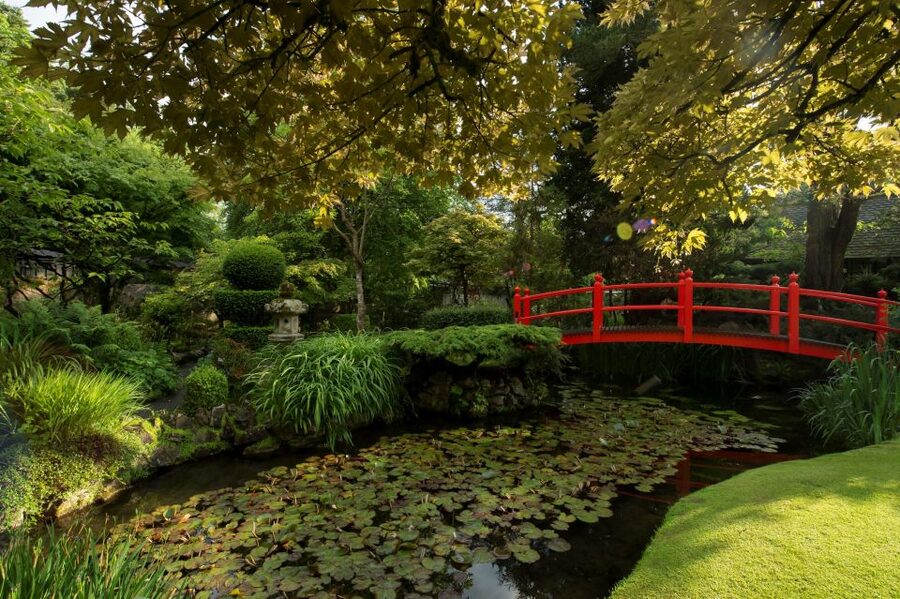
Children under seven cannot use the Irish Racehorse Experience unless accompanied by an adult. The exhibit will suit older children particularly well because it turns a complicated subject into a game with a clear beginning, middle, and finish.
Same corner of Ireland, a completely different day out:
- Dublin to Cliffs of Moher, Burren, Wild Atlantic Way, Galway Tour
★ 5.0 · 12,924 reviews - Dublin to Belfast Black Cab, Dunluce Castle and Giant’s Causeway
★ 5.0 · 7,954 reviews - Kilkenny, Wicklow Mountains & Glendalough Day Tour from Dublin
★ 5.0 · 7,897 reviews - From Dublin: Wicklow Mountains, Glendalough & Kilkenny Tour
★ 4.8 · 6,235 reviews
Walking the Japanese Gardens
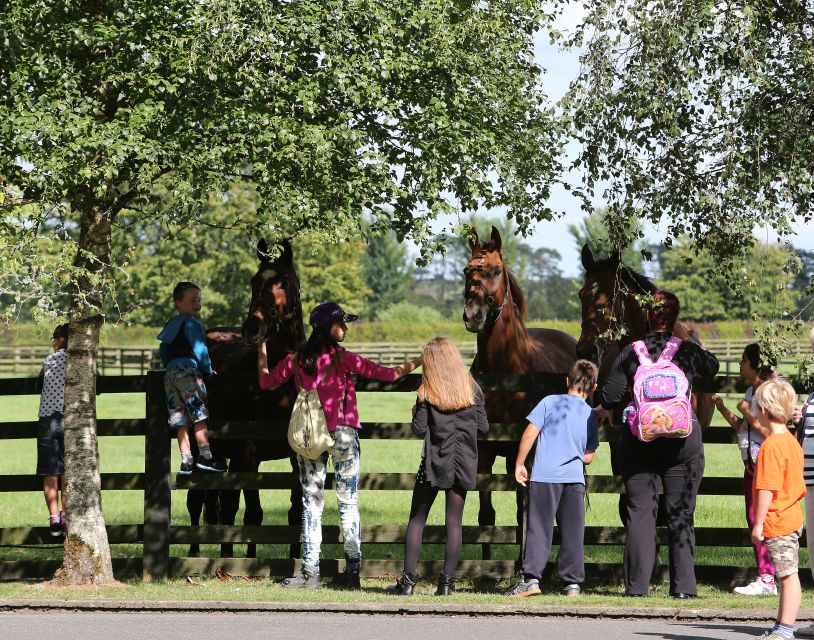
The Japanese Gardens are one of the strongest reasons to visit even if horses are not your main interest. The paths lead through a carefully arranged series of scenes, with the Life of Man route tracing a soul’s journey from birth to death and beyond.
This is a place for slow walking. The meaning comes from the sequence of the route and the changes in mood along the way, not from ticking off one grand viewpoint. I would visit after the horse tour, when a quieter stretch helps balance the noise and motion of the racehorse exhibit.
The gardens are maintained carefully, and the paths offer a calm change from the practical business of the stud. You may find the experience especially rewarding on a day when the weather is unsettled, since the gardens still provide atmosphere even when you cannot linger outdoors for long.
The Japanese Gardens are also a good choice for mixed groups. One person can focus on horse breeding, another on planting and design, and both can enjoy the visit without having to follow the same interests all day.
St Fiachra’s Garden and Irish wildlife
St Fiachra’s Garden has a different purpose and character. It is an Irish garden built around the power of the Irish countryside, with native species and opportunities to spot local wildlife.
I like the contrast between the two gardens. The Japanese Gardens present a symbolic journey with a carefully ordered design, while St Fiachra’s Garden feels more closely tied to Ireland itself. Together, they make the property more than a horse attraction.
Keep your eyes open as you walk. The information specifically highlights native plants and Irish wildlife, so this section rewards patience more than speed. It is a good place to pause, especially if you have already spent time standing during the tour.
The gardens also make the $22 admission easier to justify. If you only came for a short look at the horses, the price might feel less compelling. If you use the gardens, tour, interactive exhibit, and Living Legends area, the ticket covers a full outing.
How to plan your day on the grounds
The easiest plan is to check the tour schedule first, then fit the other sections around it. If your public tour is at 2 p.m., for example, arrive early enough to allow roughly 40 minutes for the Irish Racehorse Experience, then leave time for the gardens and Living Legends area afterward.
You can also reverse that order. The key is not to arrive just before the last tour and expect to see everything. The last entry is at 5 p.m., but the racehorse exhibit closes earlier, from 11 a.m. to 4 p.m. Arriving by mid-afternoon gives you more breathing room.
A practical visit might look like this:
- Start with the Irish Racehorse Experience.
- Join the next public tour through the stud.
- Spend time with the Living Legends horses.
- Walk the Japanese Gardens.
- Finish at St Fiachra’s Garden, or switch the garden order according to the weather.
The public tour is included in admission and is led by a live guide. Since the schedule changes in summer and again from October, check the Irish National Stud website on the day you plan to go.
The site is wheelchair accessible, which makes the attraction more workable for many people. Still, this is a large outdoor property, so your comfort will depend on how much walking you choose to do and on the weather.
The best season for horses and gardens
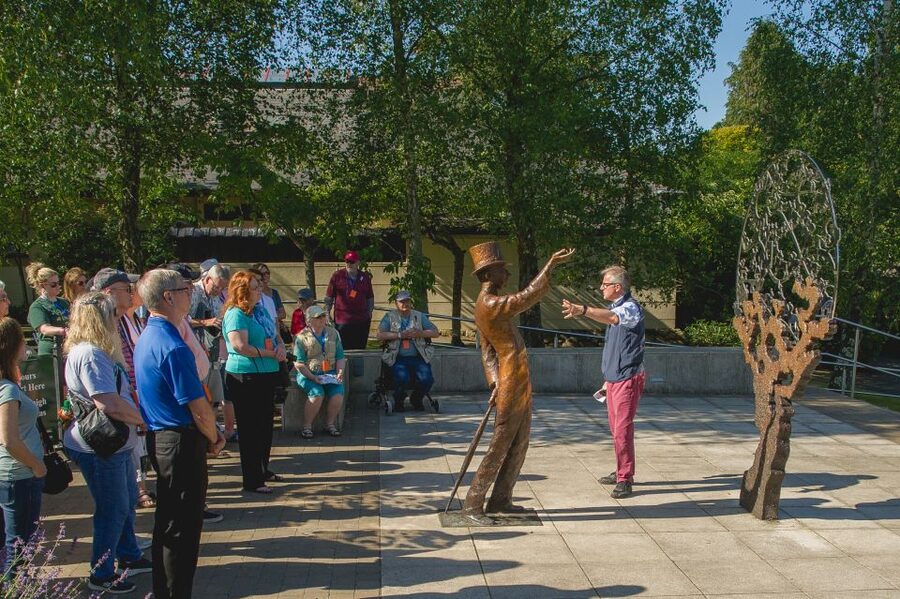
February through September is the best time to visit if seeing active stock is your priority. The stud begins to wind down from October, and there is limited stock on the grounds.
That does not make an autumn visit pointless. The gardens and indoor racehorse exhibit remain important parts of the experience. You simply should not expect the same number of mares, foals, and other horses that you may see earlier in the year.
Weather can change quickly in Ireland, so bring clothing that handles rain. The gardens are outdoors, and the horse areas are part of a working farm. A wet day does not cancel the experience, but it may shorten the time you want to spend strolling.
A useful seasonal compromise is to visit in spring or summer if your schedule allows. You have the best chance of seeing foals and more active stud areas, while the gardens have time to show their full character.
Who will enjoy this most
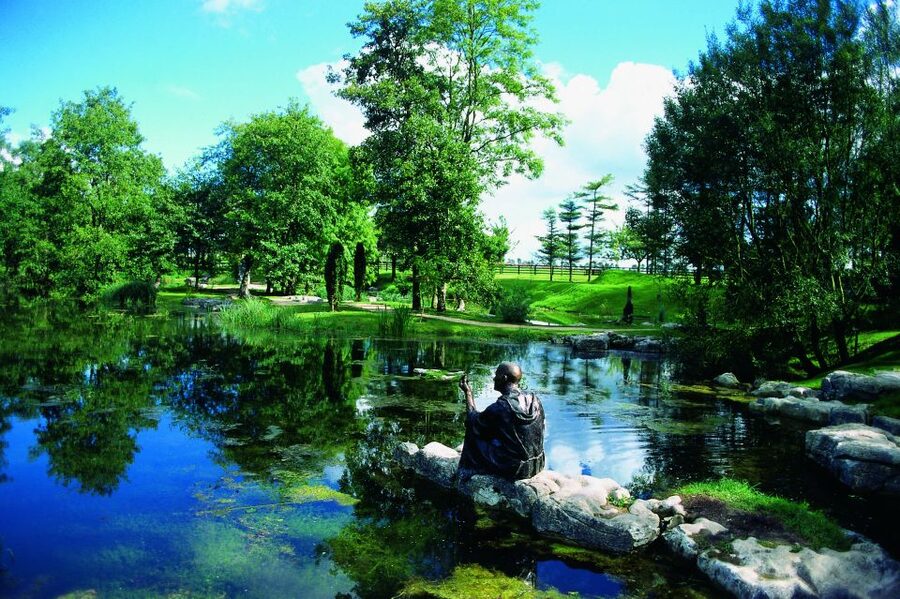
I would recommend the Irish National Stud to horse lovers first, but it is not limited to racing fans. The gardens give non-riders and non-bettors plenty to see, while the interactive exhibit works well for families with children old enough to take part.
It is also a good choice for anyone who wants a day outside Dublin without committing to a long journey. The location in County Kildare and the roughly 40-minute distance from Dublin make it a manageable addition to an Ireland itinerary.
You should be comfortable with a visit that mixes scheduled and unscheduled time. The tour is fixed, but the gardens, paddocks, and Living Legends area are best enjoyed at your own pace. If you prefer a tightly timed attraction that takes one hour and ends, this may feel too spread out.
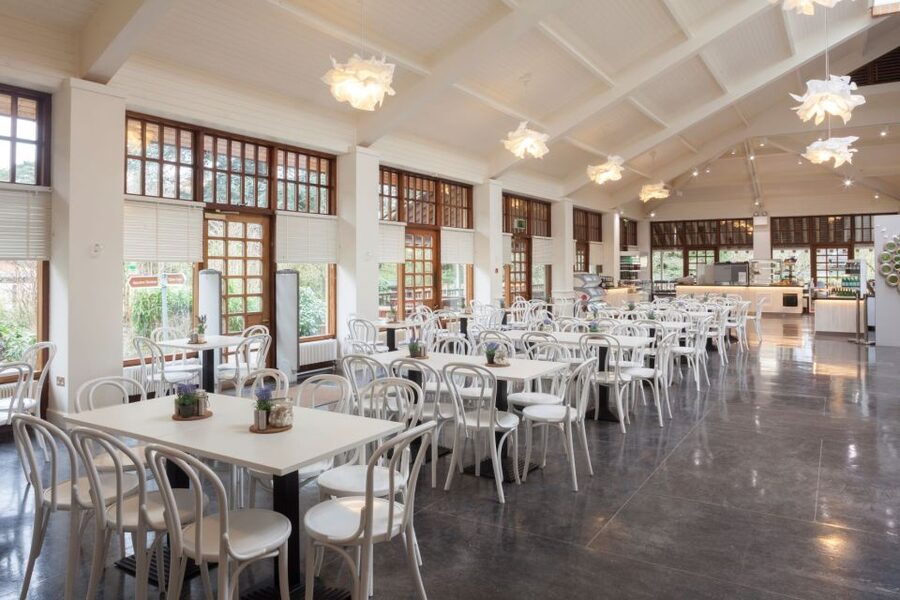
Food is available on site. A lunch at the garden restaurant was described as first class, so you can make the visit a proper day out rather than searching for a meal immediately after leaving.
Is $22 good value?
At $22, admission is reasonable because it includes several separate parts of the property. You are not paying only for access to the horses. Your ticket includes the stud, the public tour, the Japanese Gardens, St Fiachra’s Garden, the Living Legends area, and the interactive racehorse experience.
The value depends on how much time you use. If you arrive late, miss the public tour, or skip the interactive exhibit, the price will feel less attractive. If you allow several hours and take part in the full program, the ticket compares well with many single-site attractions.
The free guided tour matters. Without it, you could see beautiful horses and attractive gardens but miss the explanations about breeding, income, yearlings, and the path toward becoming a stallion. The guide turns the property from a pleasant walk into a clearer picture of Irish racing.
Free cancellation up to 24 hours before the visit and the option to reserve now and pay later also help if your Ireland schedule is still changing. These are practical booking benefits, but the main value remains the range of activities included for one price.
My call: book it if you have half a day or more
I would book the Irish National Stud if you have enough time to do more than glance at the paddocks. The combination of live horses, retired champions, two very different gardens, and an interactive racehorse story gives the visit unusual variety.
Book it especially if you are visiting between February and September, want an outing from Dublin, or are traveling with children aged seven and older. The racehorse simulation gives younger visitors a clear role, while the gardens and Living Legends horses keep the day interesting for adults.
I would think twice if you can only arrive near closing, if your schedule does not allow you to check the tour times, or if your visit falls after October and your main goal is to see a large number of horses. For everyone else, $22 buys a thoughtful, well-rounded County Kildare experience rather than a brief photo stop.
FAQ
Where is the Irish National Stud and Gardens?
It is in County Kildare, Ireland, about 40 minutes outside Dublin.
How much does admission cost?
The ticket costs $22 per person.
What does the ticket include?
Admission includes the stud, the gardens, the Irish Racehorse Experience, and the public tour.
How long does the experience last?
The activity is listed as a one-day experience, with starting times based on availability. The public tour described in the information lasts just over an hour, and you should allow additional time for the gardens and interactive exhibit.
What time is the last entry?
The last entry is at 5 p.m.
When is the Irish Racehorse Experience open?
It is open from 11 a.m. to 4 p.m.
What are the public tour times?
Regular tour times are 10:30 a.m., noon, 2 p.m., and 4 p.m. Summer may add tours at 1 p.m. and 3 p.m. From October, tours are at 11 a.m. and 2 p.m.
Are children allowed in the Irish Racehorse Experience?
Children under seven may enter only when accompanied by an adult.
Is the attraction wheelchair accessible?
Yes, the Irish National Stud and Gardens is wheelchair accessible.
When is the best time to visit?
February through September is the best period for seeing more horses on the grounds. From October onward, the stud winds down and stock is limited.
Just added around Ireland
- City Sightseeing Galway Hop-On Hop-Off Bus Tour★ 4.0 · 134 reviews
- Aran Knitting, History and Heritage in the Burren★ 5.0 · 11 reviews
- Abalone farm tour and tasting with coastal seaweed walk. Guided. 2 hours★ 5.0 · 4 reviews
- Guided Tour of Aillwee Cave and Visit to the Birds of Prey Centre★ 4.0 · 14 reviews
- Cliffs of Moher, Aran Island & Burren tour from Galway. Guided.★ 4.5 · 65 reviews
- Women Of Ireland: Trailblazers & Pioneers★ 5.0 · 4 reviews
- Cliffs of Moher & Bunratty Castle Day Tour★ 5.0 · 9 reviews
- Aran Island, Cliffs of Moher & Cruise tour from Galway. Guided.★ 5.0 · 137 reviews