
Reviewed · WALKING TOURS
Small Group Bucket List Sights Walking Tour with a Local Guide
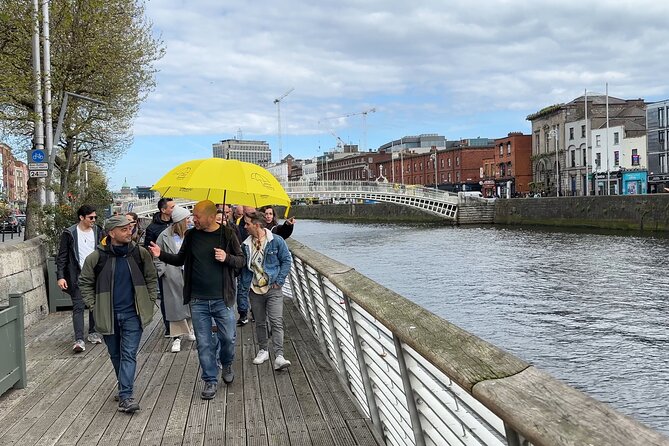
Dublin’s story unfolds in a compact two-hour walk, linking Viking beginnings, British rule, Irish independence, Georgian grandeur, lively pubs, and modern city life. The route moves from Christ Church Cathedral to Trinity College, so you get a useful first look at the old center without spending a full day on your feet.
I like the wide range of sights and the way the guides connect buildings to Ireland’s political and social story. I also like the chance to ask questions and get practical suggestions for the rest of your stay, especially from guides such as Peter, Patrick, Rob, and Martin.
The main drawback is simple: you do not go inside the major buildings. The admission fees are not included, and each stop gets roughly 10 minutes, so this is an orientation walk, not an in-depth cathedral, castle, or Book of Kells visit.
Key points at a glance
- A strong first-day route: See 12 central Dublin sights in about two hours.
- Local guides lead the way: Peter, Patrick, Rob, and Martin are named by past participants as engaging and helpful guides.
- History with a human voice: Expect stories about Vikings, British government, religion, flags, architecture, and modern Dublin.
- Outdoor sightseeing only: Entrance tickets are not included for Christ Church, St. Patrick’s Cathedral, Dublin Castle, the bridges, Molly Malone, or Trinity College.
- Useful city orientation: Finish at College Green, near Trinity College, where you can continue sightseeing on your own.
- Good value at $20.52: The price is modest for a guided introduction, especially if you use the advice to plan the rest of your visit.
Why this walk works as a Dublin introduction
Dublin is easy to explore on foot, but its landmarks make more sense when someone explains how they fit together. This tour gives you that framework. In a short stretch, you move from medieval churches and castle courtyards to Temple Bar pubs, river crossings, grand government buildings, and Trinity College.
The route is also geographically sensible. It begins at 121 R137 in Wood Quay and ends outside Trinity College at Fox House, 37 College Green. That means you are not simply walking in circles. You cross the River Liffey, see the city from both banks, and finish near one of Dublin’s biggest attractions.
I would use this as a first morning activity. The 10:00 a.m. start leaves the afternoon open for a museum, a cathedral interior, the Book of Kells exhibition, or a longer walk. The guide can also help you decide what deserves your time after the tour.
The group can include up to 25 people. That is small enough for a walking tour to work well, though it is not the same as a private walk. Several experiences have had very small groups, including one with only two people, and the guide continued rather than canceling. That suggests the format can feel personal when numbers are low, but you should be prepared for a fuller group on a popular date.
More Walking Tours in Dublin
- Dublin Highlights and Hidden Gems Guided Walking Tour
★ 5.0 · 6,020 reviews - Dublin: Highlights and Hidden Gems Walking Tour
★ 4.9 · 2,140 reviews - 1916 Rebellion Walking Tour
★ 5.0 · 1,605 reviews
Christ Church Cathedral and Dublin’s Viking beginnings
The first stop is Christ Church Cathedral, one of the clearest places to begin a Dublin story. It was first built in wood by the Vikings, then rebuilt in stone under the Normans. Its later renovation was funded in part by whiskey money in the 19th century, a detail that neatly links religion, commerce, and Dublin’s changing fortunes.
You spend about 10 minutes here, mainly hearing the story and viewing the cathedral from outside. The admission ticket is not included, so you will need a separate visit if you want to see the interior.
That limitation is worth keeping in mind. Christ Church deserves more than a quick look, but the short stop helps the walking tour maintain its broad route. If you plan to enter later, this introduction gives you a reason to return and a few details to watch for.
St. Patrick’s Cathedral and the Guinness connection
The walk continues to St. Patrick’s Cathedral, named for Ireland’s best-known patron saint. The guide explains the cathedral’s renovation in the 1860s by the Guinness family, led by Sir Benjamin Lee Guinness.
Again, the stop lasts about 10 minutes and does not include entry. You get context and an exterior view, but not the full interior experience. That makes this tour a good match for someone deciding which attractions to visit, rather than for someone hoping to spend the morning inside Dublin’s churches.
The value here comes from the connection between a national symbol and one of Ireland’s most famous brewing families. The guide’s role is to make those links clear, so the buildings do not feel like isolated photo stops.
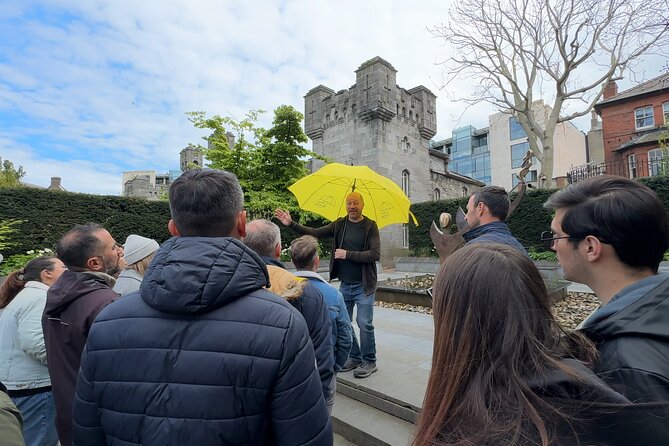
Dubh Linn Gardens, a quiet pause near the castle
Dubh Linn Gardens offers a change of pace. The secluded garden is beside the Chester Beatty Library and marks the place associated with Viking longboats when they arrived in Dublin in the 9th century.
This is one of the few stops with free admission. It also provides a calmer setting after the busy streets around the cathedrals. You may find this the most comfortable point for questions, since the group can pause rather than simply move past a façade.
The Chester Beatty Library is not part of the tour entry, so you will need to return on your own if you want to visit. The guide’s focus here is the garden, its Viking connection, and the location’s place in the city’s early story.
A few more Dublin half-days to weigh up
- Dublin to Cliffs of Moher, including Wild Atlantic Way and Galway
★ 5.0 · 23,331 reviews - From Dublin: Cliffs of Moher, Burren & Galway City Day Tour
★ 4.8 · 18,888 reviews - Dublin: Guinness Storehouse Entry Ticket
★ 4.6 · 16,863 reviews - Dublin to Cliffs of Moher, Burren, Wild Atlantic Way, Galway Tour
★ 5.0 · 12,924 reviews
Dublin Castle, from British rule to modern Ireland
Dublin Castle was the center of British government in Ireland for 700 years. Its architecture reflects that long and complicated role, with medieval, Georgian, Gothic, and modern elements gathered in one site.
The tour spends about 10 minutes here, with entry not included. That is enough time to understand why the castle matters and to see how its buildings changed over time. It is not enough for a full examination of the rooms, exhibitions, or grounds.
This stop is especially useful if you want political context. Dublin Castle is not just another old building. It helps explain the government that ruled Ireland before independence and the way power was displayed in the city.
City Hall and the meaning of Ireland’s flag
Near City Hall and the castle gate, the guide explains the meaning of Ireland’s national flag: peace between Catholic and Protestant, and between North and South.
That subject gives the walk a sharper political edge. Instead of treating Dublin as a collection of attractive buildings, the guide connects public spaces with identity, religion, and the divisions that shaped Ireland.
City Hall itself is free to view from outside, but this is still a short stop. The strength of the explanation depends on the guide, and this is where having someone comfortable with questions matters. Peter, in particular, is praised for answering questions and placing each site in the wider story of Ireland.
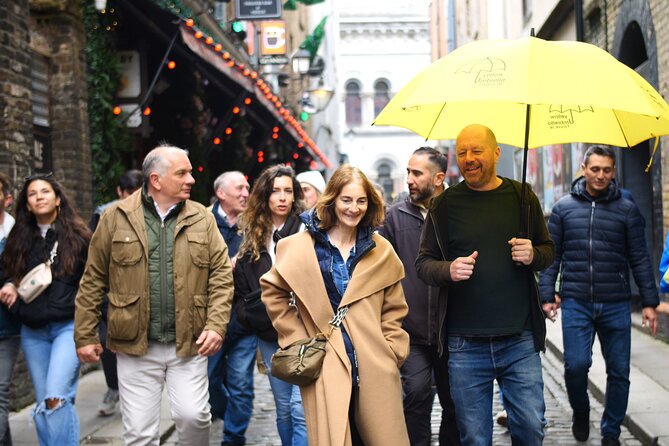
Temple Bar beyond the pub signs
Temple Bar is now famous for pubs and nightlife, but the tour places it in an older setting. The guide explains how this part of Dublin was laid out during the Tudor conquest of Ireland.
You will see the energetic side of central Dublin, but this is not a pub crawl. The stop is about the district’s origins and its role in the city. If you want to return for a drink later, the walk gives you an idea of where the area sits in relation to the river and the other central sights.
Temple Bar can be crowded and noisy, so the 10-minute format is practical. You get the story without being asked to linger in one of the city’s busiest tourist zones.
Millennium Bridge and the city across the Liffey
The Millennium Bridge takes you from the south side of the Liffey to the north. From here, the guide points east toward the Celtic settlement associated with Dublin’s early beginnings and west toward the modern Silicon Docks, inspired in part by American investment.
This is a useful viewpoint because it lets you read Dublin from old to new. The city is not frozen in its medieval center. The river ties together the older streets, government districts, commercial areas, and newer business zones.
The bridge itself is mainly a viewing stop. The tour does not include a special admission, but the itinerary notes no included ticket here. You simply cross on foot and take in the city.
Ha’penny Bridge and a touch of engineering history
You cross back to the south side over the Ha’penny Bridge, one of Dublin’s most recognizable structures. It was originally named after the Duke of Wellington, and the guide also explains why Harland & Wolff’s work means the bridge no longer shakes as people walk across it.
This is a brief but memorable section of the route. Bridges are often where a city’s geography becomes clear, and the two crossings help you understand how the Liffey divides and joins Dublin.
Expect some foot traffic. The bridge is a working crossing as well as a sightseeing stop, so you should stay with the group and allow others to pass.
Merchant’s Arch and Dublin’s architectural contrasts
At Merchant’s Arch, the tour turns to Dublin’s contrasts. Crown Alley leads from Merchant’s Arch toward Sam Stephenson’s brutalist Stephenson Tower, placing older streets and modern concrete architecture within the same view.
This is a good example of the tour’s broader approach. It does not only point out the prettiest buildings. It asks you to notice how different periods sit beside one another, sometimes comfortably and sometimes not.
The stop is outdoors and does not require an admission ticket. It is also a reminder that Dublin’s character comes from layers rather than a single architectural style.
College Green, banks, parliament, and imperial ambition
College Green contains some of the city’s most impressive buildings, including former banks and parliament buildings. The guide explains how this area once served as a center of government and finance for a city that regarded itself as the second city of the empire.
This is one of the better stops for understanding Dublin’s civic ambitions. The buildings are not just decorative. They reflect money, authority, and the city’s changing relationship with Britain.
The area is also convenient for the end of the tour. You are close to Trinity College, central shopping streets, and several major cultural attractions. Your guide may suggest museums or walks for later, which can save you time when planning the rest of a short visit.
Molly Malone and Dublin’s favorite fictional daughter
No quick introduction to Dublin would feel complete without a stop at the Molly Malone statue. The guide calls her Dublin’s favorite daughter, giving the group a light moment after the more serious political and religious subjects.
You should think of this as a photo and orientation stop rather than a major historical visit. The statue is a familiar symbol of Dublin, and seeing it in person helps you recognize the city’s playful side.
The stop is short, and admission is not included. That is no problem here, since the statue is viewed outdoors.
Trinity College and the final decision about the Book of Kells
The route finishes outside Trinity College, home of the famous Book of Kells exhibition. This is a smart ending because Trinity is one of the places many people want to visit, yet the tour does not include admission.
You receive the setting and the basic context, then decide if you want to buy a separate ticket and return. The guide may also help you fit Trinity into the rest of your day.
Ending here gives the tour a clear purpose. You have crossed much of the central city, learned where the main landmarks are, and finished beside a major attraction rather than at an awkward outlying meeting point.
What the guides add to the walk
The guide is the most important part of a tour that does not include interior admissions. Peter is frequently named as an engaging and personable guide who explains both Dublin and Irish history, answers questions, and suggests other places to see. Patrick is also praised for giving a clear overview and helping visitors get oriented.
Rob has led very small groups, including a tour with only two people, and is described as conversational rather than someone who simply recites facts. Martin is noted for his energy and enthusiasm in sharing his city.
The common thread is interaction. You should expect a guide who asks what you want to know and responds to questions, though the exact style can vary by guide and group size. If you want a tightly scripted academic lecture, this may feel informal. If you like stories, conversation, and useful local suggestions, that informality is a strength.
Price, pace, and practical value
At $20.52 per person, this is a low-cost way to get a structured introduction to central Dublin. The price is especially fair if you are visiting for a short break and want to learn the layout before choosing which paid attractions to enter.
You are paying for the guide, the route, and the explanations, not for access to the interiors. Christ Church Cathedral, St. Patrick’s Cathedral, Dublin Castle, and Trinity College all require separate planning if you want to go inside.
The pace is described as neither too fast nor too slow, but the route covers 12 stops in roughly two hours. You should wear comfortable shoes and expect continuous city walking, with brief pauses rather than long rests. Most people can participate, and service animals are allowed. The tour is near public transportation, though no specific transit directions are provided.
Free cancellation is available up to 24 hours before the 10:00 a.m. start for a full refund. Changes or cancellations inside that 24-hour window are not accepted for a refund.
Who should book this Dublin walking tour
I would choose this walk if you are visiting Dublin for the first time, staying only a few days, or want a clear starting point before exploring alone. It also suits solo visitors who like asking questions, couples who want a shared introduction, and families or groups who prefer outdoor sightseeing.
It is less suitable if your main goal is to enter every major building or spend a long time at one site. You should also know that the maximum group size is 25, so the phrase small group does not guarantee a private or intimate outing.
The strongest use of this tour is as a first morning orientation. Take notes on the places you want to revisit, then use the afternoon for the interiors that interest you most.
Should you book it?
Book this tour if you want a friendly, affordable overview of Dublin’s central sights, with enough history to make the city easier to understand. The route is broad, the finish near Trinity College is convenient, and the guides add practical advice that can improve the rest of your visit.
Skip it if you already know central Dublin well or want detailed entry visits to the cathedrals, castle, and Trinity College. For $20.52, though, it offers a useful introduction with little financial risk. Arrive ready to walk, listen, ask questions, and choose your next stops with a better sense of the city.
FAQ
How long is the walking tour?
The tour lasts approximately two hours.
What time does the tour start?
The tour starts at 10:00 a.m.
Where does the tour begin?
The meeting point is 121 R137 in Wood Quay, Dublin, Ireland.
Where does the tour finish?
The tour ends at Fox House, 37 College Green, Dublin 2, outside the front gate of Trinity College.
Are admission tickets included?
No. Admission tickets are not included for the cathedral, castle, and other listed attractions that require entry. Dubh Linn Gardens, City Hall, Temple Bar, College Green, and some outdoor sights are visited without an included admission charge.
How many people can join the tour?
The maximum group size is 25 people.
Can I cancel for a full refund?
Yes. You can cancel at least 24 hours before the experience start time for a full refund. Cancellations or changes made less than 24 hours before the start time are not accepted for a refund.
Just added around Dublin
- Women Of Ireland: Trailblazers & Pioneers★ 5.0 · 4 reviews
- Full Day Private Wicklow Tour★ 5.0 · 12 reviews
- Wicklow Mountains & Glendalough Luxury Private Day Tour★ 5.0 · 23 reviews
- Wicklow tour of Glendalough★ 4.5 · 8 reviews
- Dublin To Kilkenny Castle Waterford Crystal Private Car – Day Tour★ 5.0 · 8 reviews
- Premium Irish Whiskey Tasting Hosted by Local Dublin Expert★ 5.0 · 77 reviews
- Whiskey Tasting Tour of Dublin★ 5.0 · 117 reviews
- Historical Walking Tour of Dublin★ 5.0 · 50 reviews
Walking Tours, compared.
Dublin Highlights and Hidden Gems Guided Walking Tour
Read our review →
90 Minute Dublin Walking tour and Sightseeing tips
Read our review →

Historical 2-Hour Guided Walking Tour of Dublin
Read our review →
Dublin Traditional Irish 3 Course Meal Walking Tour with Local
Read our review →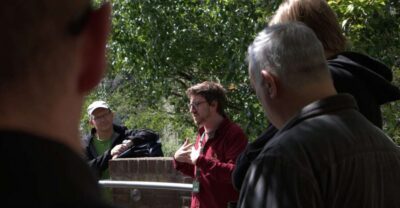
Browse the lists this tour appears in