
Reviewed · WALKING TOURS
Dublin: Mythology, Folklore and Legends Walking Tour
Dublin’s streets carry more than Georgian facades and pub signs. This two-hour mythology walk connects Temple Bar, the Georgian Quarter, and O’Connell Street with tales of fairies, banshees, ancient warriors, rebels, grave robbers, and the revival of Gaelic culture.
I like the way the tour gets beyond the standard sightseeing route, and I like its strong guides. Helena, Emily, Lee, and Dave are repeatedly praised for lively storytelling, humor, and useful Dublin advice. The main consideration is that this is a story-led walk, not a major attraction tour, so you should book it for context and atmosphere rather than grand interiors.
Key points to know
- Myths meet modern Dublin: Ancient Irish creatures and legends are linked to streets, buildings, and present-day culture.
- The route begins at Temple Bar: Meet outside The Old Storehouse pub, under the green umbrella.
- Expect less familiar stops: The walk includes Dublin’s macabre Georgian side and the tragic story of the Abbey Theatre.
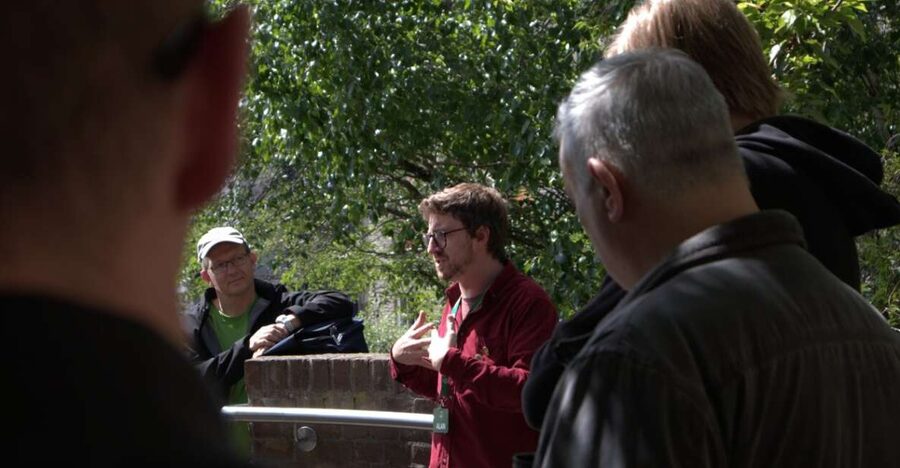
- Storytelling is the main event: Guides such as Helena, Emily, Lee, and Dave use humor, questions, and dramatic delivery.
- A manageable two hours: There are several longer stops, so the pace is not simply continuous walking.
- Good value at $27: You get a local guide, a focused route, and an angle on Dublin that standard city tours often skip.
Why Irish folklore makes Dublin feel different
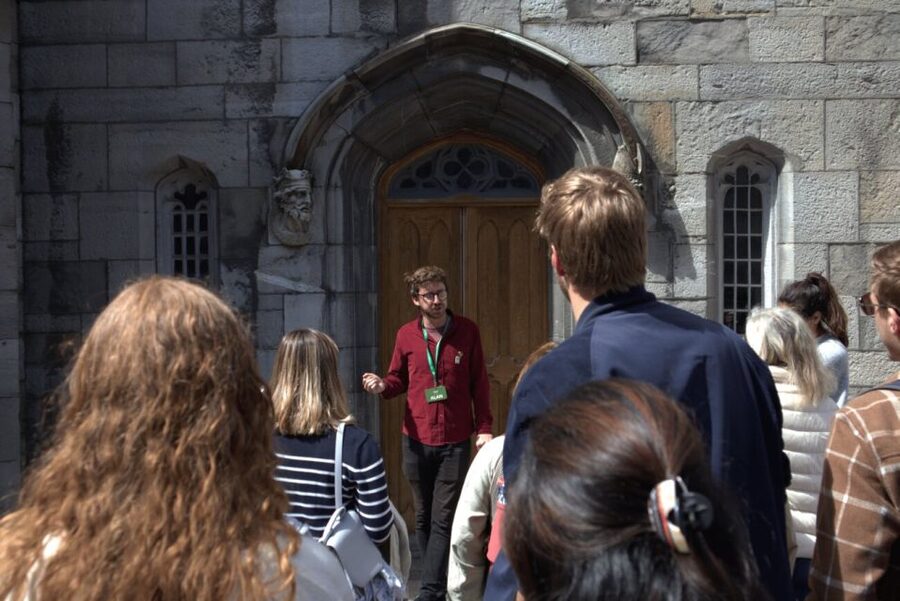
I like this tour because it shows how folklore is not just a shelf of old tales. It is part of how Ireland explains place, identity, grief, danger, luck, and resistance. The stories of the banshee, púca, leprechaun, fairies, and ancient warriors give you a different way to read the city.
You will hear about Ireland’s mythological origins and Celtic beliefs, then see how those ideas connect with later events. The route also moves into rebellions, revolutions, grave robbing, the Abbey Theatre, and the revival of the Gaelic language. That mix keeps the walk from becoming a string of unrelated fairy stories.
This is especially useful at the start of a Dublin stay. Several guides, including Helena and Emily, also offer suggestions for places to visit afterward. The stories can help you make sense of Irish symbols and references during the rest of your time in the city.
More Walking Tours in Dublin
- Dublin Highlights and Hidden Gems Guided Walking Tour
★ 5.0 · 6,020 reviews - Dublin: Highlights and Hidden Gems Walking Tour
★ 4.9 · 2,140 reviews - 1916 Rebellion Walking Tour
★ 5.0 · 1,605 reviews
Starting under the green umbrella in Temple Bar
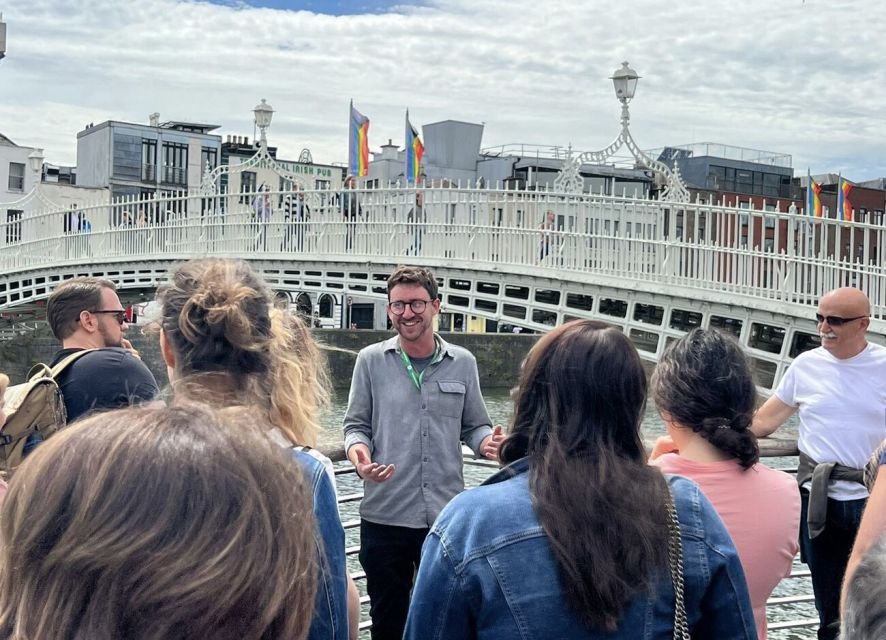
The meeting point is outside The Old Storehouse pub in Temple Bar. Look for the green umbrella. Temple Bar is one of Dublin’s busiest visitor areas, so allow a few extra minutes to find the exact spot and identify the guide.
The first section introduces Ireland’s mythical origins and the traditions tied to Celtic culture. You are not simply looking at Temple Bar as a collection of pubs and colorful streets. The guide uses it as a doorway into older ideas about the land, supernatural beings, and the role of oral storytelling.
That opening matters because Irish mythology can be difficult to follow if you meet the names and creatures without context. A good guide gives you a basic frame first, then adds the characters and stories. Helena and Emily are especially praised for making complicated material easy to follow, while Lee and Dave bring a lighter comic touch.
Temple Bar itself can be noisy and crowded. That is the one awkward part of beginning here. You may need to focus closely during the first explanation, particularly if the group is large or the surrounding streets are busy.
Fairies, banshees, púca, and leprechauns
The tour explains several creatures from Irish folklore, including the banshee, púca, and leprechaun. These are not presented only as cartoon figures or souvenir-shop characters. The point is to understand what they meant within Irish and Gaelic storytelling.
The banshee brings a darker mood. The púca can be linked with mischief and uncertainty. The leprechaun has become an international symbol of Ireland, but the older stories offer a less polished and more complicated picture. The guide helps separate popular images from the wider folklore behind them.
You will also hear about fairies, a major part of Irish belief and storytelling. The value here is not in proving or disproving the tales. It is in seeing how stories about invisible forces, dangerous places, luck, and respect for the natural world can shape a culture.
This section should suit families, but parents should know that some material has a macabre edge. The tour includes death, tragedy, and unsettling stories. Dave has been particularly good at keeping younger children interested, and the guides use humor to make the material approachable, but the subject is not entirely gentle.
Ancient warriors and Ireland’s mythological origins
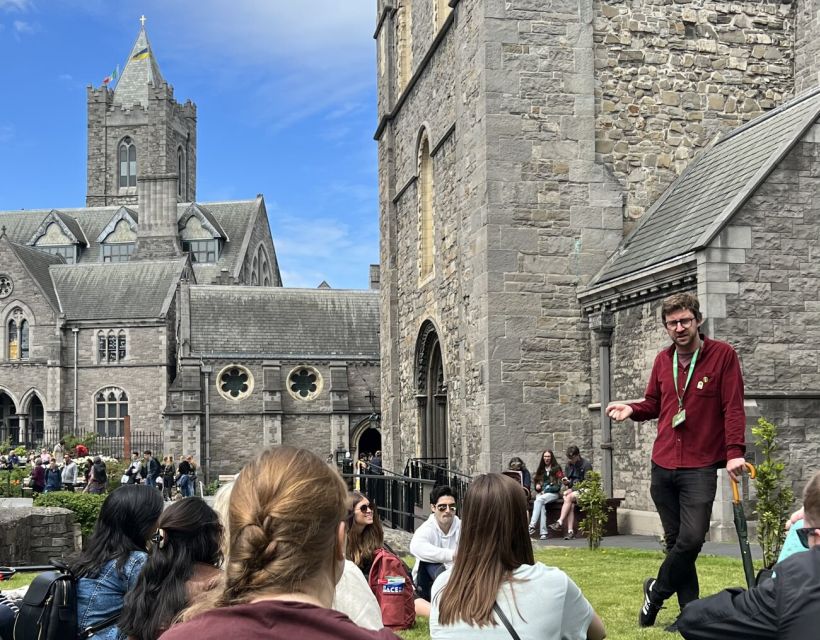
Ireland’s ancient warriors give the tour another change of pace. Their stories connect heroic figures with national identity and the long tradition of Irish storytelling.
The guide does not treat mythology as a dry list of names. Instead, you get the cultural importance of heroes, battles, loyalty, and sacrifice. These stories help explain why legend has remained important in Irish public life, literature, language, and politics.
I find this part most rewarding if you enjoy seeing how national identity is built through stories. It also gives you a better sense of why Irish mythology appears so often in art, theater, education, and modern cultural discussions.
The drawback is that you will not receive a full academic study of every myth. Two hours requires selection. The guide’s job is to tell memorable stories and show their connection to Dublin, not cover the entire body of Irish mythology.
A few more Dublin half-days to weigh up
- Dublin to Cliffs of Moher, including Wild Atlantic Way and Galway
★ 5.0 · 23,331 reviews - From Dublin: Cliffs of Moher, Burren & Galway City Day Tour
★ 4.8 · 18,888 reviews - Dublin: Guinness Storehouse Entry Ticket
★ 4.6 · 16,863 reviews - Dublin to Cliffs of Moher, Burren, Wild Atlantic Way, Galway Tour
★ 5.0 · 12,924 reviews
Dublin’s Georgian Quarter and its macabre side
The route leaves the most familiar tourist path and explores the darker side of the Georgian Quarter. Here the mood shifts from supernatural beings to documented urban troubles, including rebellions, revolutions, and grave robbing.
That contrast is one of the tour’s best features. You hear a fairy story, then move into the real fears and social pressures of historic Dublin. Grave robbing, in particular, reveals a grim side of medical and urban history that is easy to miss on a standard architecture walk.
The Georgian streets can look orderly and elegant at first glance. The tour adds a less comfortable layer to that view. You begin to think about who lived in these places, who had power, how the city changed, and what people feared.
This is also where the guide’s delivery matters most. Dave’s humor can keep the darker material from becoming heavy, while Emily and Helena are praised for combining warmth with strong storytelling. You are likely to stop several times, rather than walk continuously, which makes the two-hour duration easier on tired feet.
The Abbey Theatre and the cost of cultural revival
The Abbey Theatre receives its own part of the story, including its tragic history. This adds a cultural and artistic thread to the route. The theater is not treated only as a building or performance venue, but as part of Ireland’s effort to shape and express its national culture.
The Abbey’s story fits the tour’s larger subject: storytelling can preserve memory, challenge authority, and help define a country. The section is a useful reminder that folklore lives alongside modern theater and literature, not in a separate old-fashioned world.
If you have already taken a classic Dublin history tour, this part can add a fresh angle. It does not replace a dedicated theater visit, but it gives you a reason to pay more attention to the Abbey and its place in Irish cultural life.
Finishing on O’Connell Street with Gaelic culture
The walk ends on O’Connell Street, where the focus turns toward the revival of the Gaelic language and culture in Ireland. This is a strong finish because it brings the tour into the present.
You will see that Irish identity is not only about ancient legends. Language, public culture, national memory, and modern street life all play a part. The guide also introduces contemporary street characters, giving the ending a more immediate and human feel.
O’Connell Street is a fitting place to finish. It is one of Dublin’s best-known thoroughfares, yet the tour encourages you to see it through ideas of cultural renewal and public identity. The result is a route that moves from mythological beginnings to modern Dublin without pretending the two are unrelated.
The activity ends back at the meeting point, so you should not need to arrange separate transport from the finish. Since there is no hotel pickup or drop-off, you will need to make your own way to Temple Bar.
What the guides add to the experience
A folklore walk rises or falls on the guide. Here, the strongest recurring feature is the quality of the storytelling.
Helena is described as warm, funny, enthusiastic, and easy to talk with. She also pays attention to the group’s energy and ability, choosing stopping points where people can rest while listening. That is useful if you have already spent the day walking around Dublin.
Emily brings a welcoming style and connects past stories with present-day examples. One particularly interesting angle includes folklore’s influence on community life, including Gay Pride and HIV awareness. Her storytelling helps show that folklore can continue to change rather than remain fixed in the past.
Lee has been praised for good energy, humor, and a pleasant conversational style. Dave combines information with jokes and has been especially effective with families. He also gives practical Dublin suggestions, including ideas that suit a modest budget.
Guide assignments can change, so you should not assume a particular person will lead your departure. Still, the range of strong guide feedback is reassuring. The tour depends on personality, but it is clearly built around guides who enjoy telling these stories aloud.
How much walking is involved?
The tour lasts two hours and includes several stops where you stand and listen. It is not described as an exhausting march, and the stopping pattern makes it easier to manage than a continuous city walk.
You should still wear sensible shoes. Dublin’s streets can be tiring, and you may already have spent hours exploring museums, shops, and pubs. The guides make an effort to account for different energy levels, but this remains a walking activity.
The tour is wheelchair accessible. If you need specific assistance, it is wise to confirm the practical details when selecting a departure, since the route moves through public streets and includes multiple stopping points.
Who will get the most from this tour?
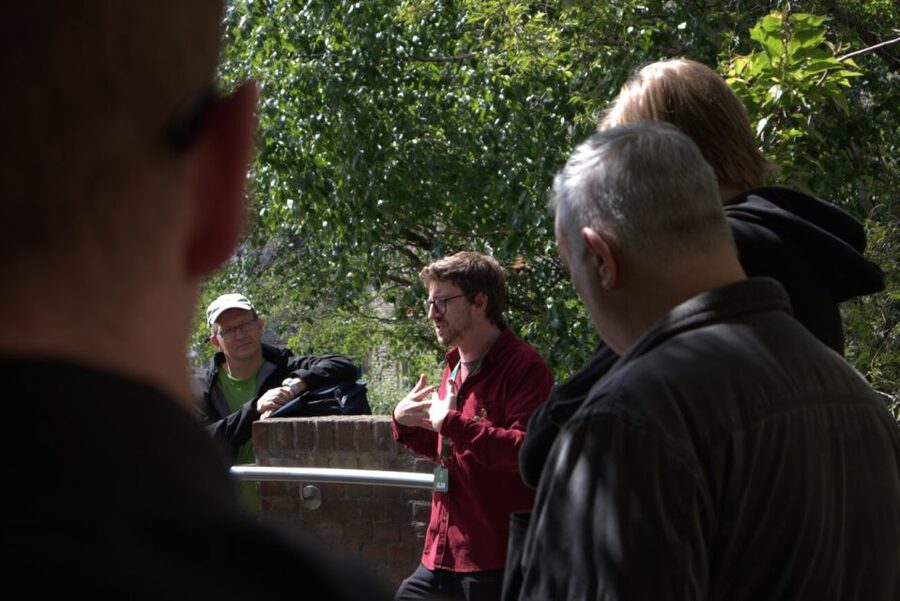
I would choose this walk if you like history with a strange edge, oral storytelling, cultural identity, or the way cities preserve old beliefs. It is also a good choice if you have already seen Dublin Castle, Trinity College, or the main landmarks and want something less conventional.
Families can enjoy it, especially with a guide such as Dave, though younger children may find some of the darker stories unsettling. The manageable length also helps if your group includes children or anyone with tired feet.
It suits first-time visitors particularly well. The walk gives you useful context for later sightseeing, and several guides offer suggestions for continuing your day. It also works for people from Ireland who know the broad historical story but want more folklore and mythology.
You might skip it if you want detailed architectural history, indoor attractions, or a long list of major landmarks. The sights are the setting. The stories and the guide are the reason to book.
Is $27 a fair price?
At $27 per person, I consider this good value for a focused two-hour experience. You are paying for a local guide, a carefully chosen route, and a subject that is not usually covered in depth on a standard city tour.
The value is strongest if you would otherwise wander through Temple Bar, the Georgian Quarter, and O’Connell Street without understanding their cultural connections. The tour gives those areas a theme, and that theme stays with you after the walk.
It is less compelling if you only want a quick introduction to Dublin’s main sights. A general city tour may cover more landmarks. This experience makes a better investment for a curious visitor who wants unusual stories rather than maximum sightseeing mileage.
The rating is 4.9 out of 5 from 703 ratings, which fits the tour’s clear strengths: engaging guides, accessible storytelling, useful local suggestions, and a route that does not feel like the usual Dublin checklist.
Booking advice for a flexible Dublin schedule
The tour is offered in English with a live guide. Starting times vary, so check availability against your plans, especially if you want to use it as an introduction on your first day.
Free cancellation is available up to 24 hours before the activity for a full refund. You can also reserve now and pay later, which is helpful when your Dublin schedule is still changing.
I would book this early in your stay if possible. You will gain a better feel for Irish symbols, stories, and cultural references before visiting other parts of the city. Bring shoes suited to walking and arrive at The Old Storehouse with enough time to find the green umbrella.
Should you book the Dublin mythology walk?
Book it if you want Dublin to feel like more than a set of handsome streets and famous pubs. The tour combines banshees and fairies with rebellion, grave robbing, theater, Gaelic revival, and contemporary city life. That unusual mix gives you a more personal sense of how Irish culture carries its past forward.
Skip it if you prefer interiors, formal historical lectures, or a tour focused only on famous monuments. For everyone else, $27 is a reasonable price for two hours of strong storytelling, a manageable route, and a side of Dublin you are unlikely to find on a basic sightseeing walk.
FAQ
Where does the tour start?
Meet outside The Old Storehouse pub in Temple Bar. Look for the green umbrella.
Where does the tour end?
The activity ends back at the meeting point.
How long does the tour last?
The walking tour lasts two hours.
What language is the tour conducted in?
The live tour guide speaks English, and English is the listed tour language.
What does the tour include?
The price includes the guide and the walking tour.
Is hotel pickup included?
No. Hotel pickup and drop-off are not included, so you must make your own way to the meeting point.
What subjects does the tour cover?
It covers Irish mythology, folklore, legends, Celtic traditions, fairies, banshees, púca, leprechauns, ancient warriors, rebellions, grave robbing, revolutions, the Abbey Theatre, Gaelic language revival, and contemporary Dublin street characters.
Is the tour wheelchair accessible?
Yes, the activity is listed as wheelchair accessible.
Can I cancel for a full refund?
Yes. You can cancel up to 24 hours in advance for a full refund.
Do I have to pay at the time of booking?
No. The reserve-now, pay-later option lets you hold a place without paying immediately.
Just added around Dublin
- Women Of Ireland: Trailblazers & Pioneers★ 5.0 · 4 reviews
- Wicklow tour of Glendalough★ 4.5 · 8 reviews
- Full Day Private Wicklow Tour★ 5.0 · 12 reviews
- Wicklow Mountains & Glendalough Luxury Private Day Tour★ 5.0 · 23 reviews
- Premium Irish Whiskey Tasting Hosted by Local Dublin Expert★ 5.0 · 77 reviews
- Whiskey Tasting Tour of Dublin★ 5.0 · 117 reviews
- Dublin To Kilkenny Castle Waterford Crystal Private Car – Day Tour★ 5.0 · 8 reviews
- Historical Walking Tour of Dublin★ 5.0 · 50 reviews
Walking Tours, compared.
Dublin Highlights and Hidden Gems Guided Walking Tour
Read our review →

90 Minute Dublin Walking tour and Sightseeing tips
Read our review →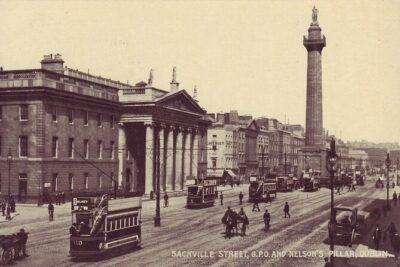
Historical 2-Hour Guided Walking Tour of Dublin
Read our review →
Dublin Traditional Irish 3 Course Meal Walking Tour with Local
Read our review →
Browse the lists this tour appears in