
Reviewed · GHOST & HAUNTED TOURS
Dublin: North Quay Guided Ghost Walk
Dublin’s northside has more than grand Georgian doors and cheerful pubs. Beneath its busy streets lie ruined monasteries, former Viking quarters, mass graves, forgotten thieves, and houses said to be haunted. This North Quay Ghost Walk turns those overlooked places into a 1.5-hour evening story, beginning outside The Church Bar and Restaurant on Mary Street.
I like two things right away. First, the walk uses real places and documented episodes of Dublin’s past instead of relying on actors and jump scares. Second, guides such as Kate, Darragh, Matthew, and Derek bring humor and extra city tips to the route. The main consideration is that this may feel more like an unusual history walk with ghost stories than a truly frightening attraction.
Key points to know before you book
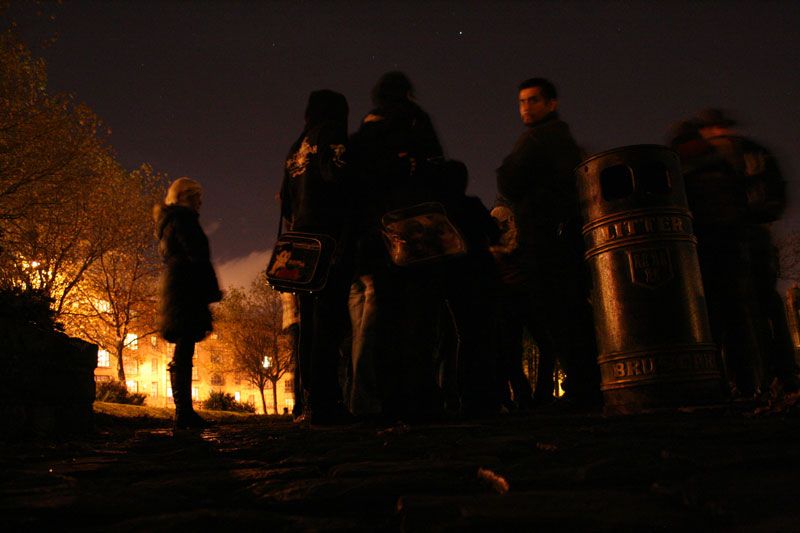
- Saint Mary’s Abbey appears as a small ruin with a huge past: You pass a once-powerful medieval monastic settlement tucked away near daily city traffic.
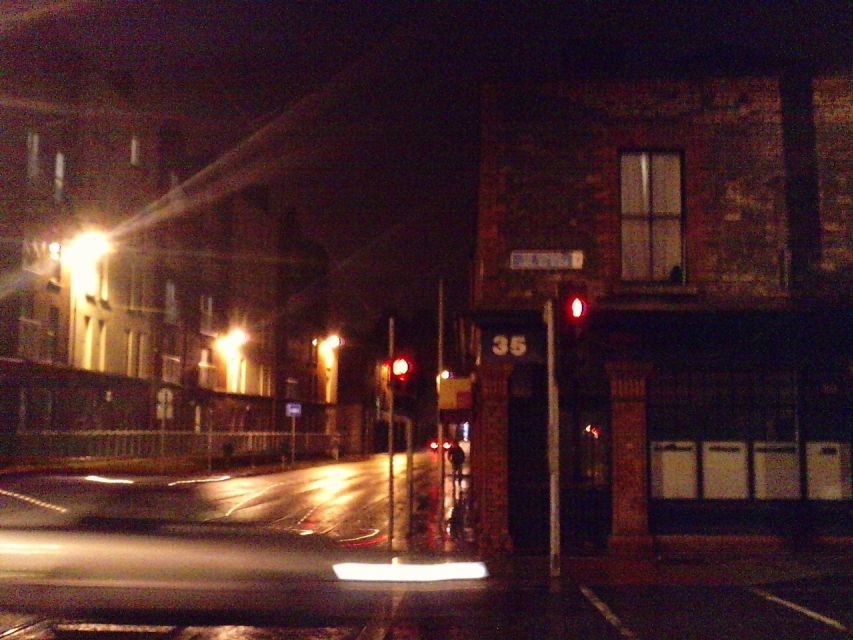
- Hendrick Street carries the strongest haunted-house story: Between numbers 7 and 8, six ghosts are said to have occupied two houses.
- Croppie’s Acre is both grim and historically important: A former football pitch covers a mass grave linked to rebels executed after the 1798 rebellion.
- The walk favors stories over theatrical effects: Expect a live guide, local history, humor, and eerie detail rather than costumes or staged scares.
- The route shows an overlooked side of Dublin: It reaches the medieval Oxmantown area and former Viking enclaves, places easy to miss on a standard city visit.
- The $28 price is fair for a small evening activity: You get 1.5 hours of guiding, though some descriptions and feedback place the walk closer to two hours.
Why Dublin’s northside makes a good ghost walk

Dublin is an old city with a difficult past, and the northside gives this tour a fitting setting. You are not simply walking from one famous monument to another. You are following fragments of medieval Dublin, religious ruins, criminal tales, rebellion, and modern apparitions through streets that can look ordinary in daylight.
That contrast is part of the appeal. Saint Mary’s Abbey, for example, was once one of Ireland’s most powerful monastic settlements. Today, only a small ruin remains down an alleyway. Thousands of people can pass nearby without noticing it. A guide gives that neglected corner a story, a date, and a sense of what once occupied the site.
I find this kind of tour especially useful early in a Dublin stay. It helps you notice details later, and the stories give shape to parts of the city that can otherwise feel like anonymous streets between major sights. It is also a good choice if you have already seen the Book of Kells, Trinity College, and the main pub districts and want something less familiar.
The supernatural material is presented alongside history. That matters because the walk does not need you to believe every apparition. You can enjoy the tales as folklore, question the details, and still learn how Dublin developed.
More Walking Tours in Dublin
- Dublin Highlights and Hidden Gems Guided Walking Tour
★ 5.0 · 6,020 reviews - Dublin: Highlights and Hidden Gems Walking Tour
★ 4.9 · 2,140 reviews - 1916 Rebellion Walking Tour
★ 5.0 · 1,605 reviews
Meeting outside The Church Bar on Mary Street
The tour starts outside The Church Bar and Restaurant on Mary Street. This is a central meeting point, but you should allow enough time to find the exact place, particularly if you are arriving after dark or are unfamiliar with Dublin’s northside.
The activity ends back at the same meeting point. That makes the evening easier to plan than a walk that leaves you in a different part of the city. You can arrange dinner or a drink afterward without first working out how to return across town.
The route is on foot, so wear shoes that can handle about 1.5 hours of walking and standing. One review describes the walk as closer to two hours, so I would plan for the longer period rather than rushing to your next booking. Dublin weather can change quickly, and an evening outdoor tour is much more pleasant if you bring a light rain layer.
Saint Mary’s Abbey and the medieval city beneath the streets

Saint Mary’s Abbey is an excellent early stop because it sets the tone without needing a manufactured scare. The site once belonged to a major religious settlement, yet what you see now is only a modest ruin hidden away from the busiest streets.
A guide can help you picture the importance of the abbey and explain how time reduced a powerful institution to a remnant. That change is more unsettling than a loud sound effect. The city has built around the ruin, and ordinary movement continues beside a place connected to centuries of worship, political influence, and death.
The walk also explores medieval Oxmantown and former Viking enclaves. This gives you a broader frame for Dublin’s origins. The ghost stories are not floating free from the city. They grow out of places where people lived, worshipped, fought, worked, and died.
You might not get a long archaeological lecture at each point, and the pace is designed for storytelling rather than close study. Still, this section should appeal to anyone who likes old streets and overlooked remains more than polished visitor attractions.
Hendrick Street and Dublin’s haunted houses
Hendrick Street supplies one of the tour’s clearest supernatural set pieces. The story centers on the former houses at numbers 7 and 8, where six different ghosts were said to have lived between the two addresses.
The strength of this stop depends on the guide’s delivery. There is no promise of entering the houses, and the experience is about standing at the location while hearing what was believed to happen there. That means the atmosphere comes from the tale, the street, and your own imagination.
Guides have received particular praise for storytelling and humor. Kate is described as well prepared and ready to answer questions, while Darragh is noted for a personable style and strong storytelling. Matthew is also praised for balancing creepy material without making it feel silly or overdone.
This is useful to know if you are hoping for a horror attraction. The tour seems better suited to a good storyteller leading you through unsettling local lore. It is spooky in the way an old story told in the right place can be spooky, not in the way a haunted-house ride tries to frighten you every few minutes.
More ghost walks around Dublin:
- Dublin Ghost Bus Tour with Professional Actors
★ 4.5 · 949 reviews - The Dublin Ghostbus Tour
★ 4.6 · 634 reviews - Haunted Dublin Walking Tour
★ 5.0 · 550 reviews - From Dublin: Gravedigger Ghost Bus Tour
★ 4.4 · 546 reviews
Croppie’s Acre and the 1798 rebellion
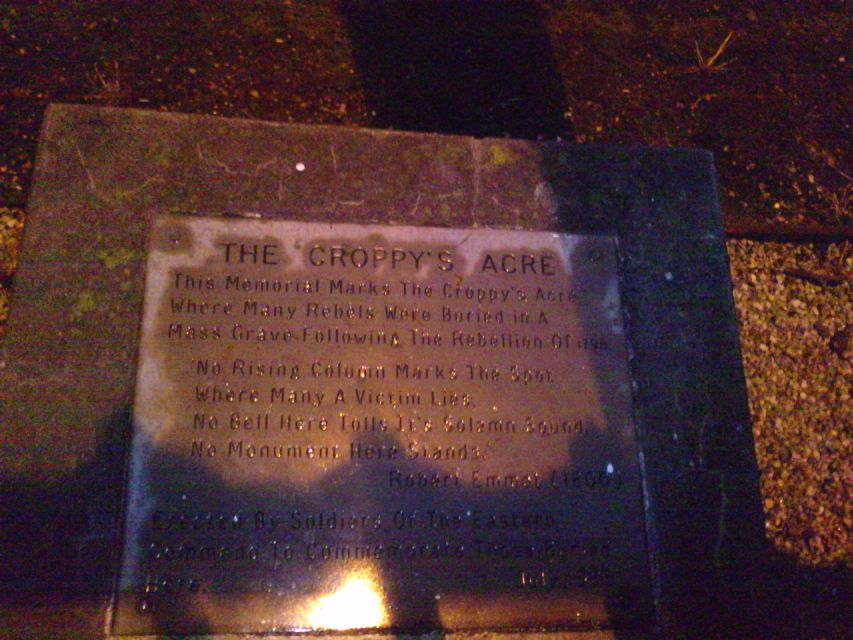
Croppie’s Acre is likely to be the most sobering stop. In the 20th century, the abandoned site was used as a football pitch. Beneath it lies a mass grave, the final resting place of hundreds of rebels executed after the 1798 rebellion.
This is where the walk’s subject moves beyond ghosts. The site connects folklore with political violence and the human cost of rebellion. You may find the story more affecting than frightening, and that is a strength. A ghost walk that remembers real deaths can offer a better understanding of Dublin than one that treats every dark corner as a prop.
The location also shows why a guided walk matters. On your own, an overgrown or altered urban space may reveal very little. A guide supplies the names, events, and local memory that are no longer visible.
If your group includes children, consider their comfort with stories about executions and mass graves. The tour is not described as a children’s attraction, and the subject matter can be grim even when the guide uses humor.
Scaldbrother, thieves, and darker city tales
The tour includes the story of Scaldbrother, an infamous medieval thief. This adds a different kind of menace to the route. Not every unsettling tale needs a ghost. Crime, deception, and audacious thieves can make the medieval city feel dangerous in a very human way.
One account also refers to underground tunnels, an electric factory, and other strange or forgotten details encountered along the walk. These elements help the route avoid becoming a simple list of haunted addresses. You get stories about people who lived on the edge of law and society, along with sad episodes and odd local traditions.
The exact balance can vary by guide. Some guides appear to favor carefully researched history, while others put more weight on performance and humor. Derek, for example, is praised for carrying a large number of details and making the walk feel full of unusual stories. If you enjoy asking questions, the best guides should give you more than a memorized ghost tale.
A small warning is fair here. One Dublin local felt that some facts were a little loose, with invented material mixed into the historical account. That does not ruin an evening of folklore, but you should treat the stories as entertainment and local tradition rather than a formal academic tour.
Saint Michan’s mummies and Bram Stoker connections
The walk also tells you about the mummies beneath Saint Michan’s Church. These remains are often described as one of Ireland’s most macabre attractions, and they are linked to Bram Stoker, the Clontarf-born author of Dracula.
The tour does not include entry to Saint Michan’s Church. Instead, you hear about the mummies as part of the wider story of Dublin’s morbid places and the city’s influence on dark fiction. That distinction matters when you plan your day. If seeing the crypt is important to you, you will need to arrange that separately.
This stop works well because it connects Dublin’s real dead with the imagined dead of literature. It also gives the guide a chance to explain how local places and stories can shape a writer’s imagination. You get a sense of why Dublin’s supernatural reputation is not based on one isolated legend.
The Virgin Mary apparition and modern folklore
The route includes the site of a 21st-century apparition of the Virgin Mary. This brings the stories into recent memory and prevents the walk from becoming trapped in medieval legends.
A modern apparition raises different questions from a tale about a medieval thief or a Victorian haunting. It shows that supernatural belief is not only an old habit. People still interpret unusual events through faith, rumor, and community storytelling.
For you, the value is in comparing the stories. Some are tied to ruined religious sites, some to rebellion and death, and some to recent claims of divine appearance. The guide’s job is to present those layers in a lively way while giving you enough context to make up your own mind.
What the guides add to the evening
The strongest part of this experience is the live guide. A street is only a street until someone explains why it matters, and this route depends on timing, voice, and the ability to handle questions.
Kate is praised for detailed preparation, answering questions, and adding useful suggestions for other things to do in Dublin. Darragh is described as funny, personable, and a good storyteller. Matthew receives credit for an informative and humorous approach, while Derek is praised for knowing many small details. The names and styles can vary according to the date of your booking, so you should not assume you will get a particular guide.
The walk seems to work best when the guide treats the stories with a light touch. Humor keeps the evening from becoming heavy, especially around grim subjects. At the same time, a guide who avoids excessive theatrics lets the locations speak for themselves.
Large groups can make any walking tour harder to follow, but one account notes that the guide remained understandable even with a big group. A smaller group would still be preferable if you want to ask many questions or stay close to the storytelling.
Is $28 good value for 1.5 hours?
At $28 per person, this is not the cheapest way to spend an evening in Dublin, but it is a reasonable price for a guided city walk led in English. You are paying for local stories, route planning, and interpretation of places you might otherwise pass without noticing.
The value improves if you are interested in both history and folklore. A pure horror fan may want more effects, more darkness, or access to haunted interiors. This walk does not promise those things. Its appeal is the combination of obscure locations, real historical events, and ghost lore.
The activity is also easy to fit into a Dublin visit. It starts and ends at the same point, lasts about 1.5 hours according to the activity details, and offers reserve-now, pay-later booking. You can cancel up to 24 hours ahead for a full refund, which helps if your plans depend on weather or changing arrival times.
Plan conservatively for two hours, however. One account describes the route as about two hours, and a leisurely walking pace, questions, or a larger group can extend the evening.
Who should book the North Quay Ghost Walk?
I would choose this for:
- First-time Dublin visitors who want orientation away from the standard sights
- Repeat visitors who have already covered the central attractions
- People who enjoy folklore, local crime tales, ruined religious sites, and political history
- Couples and families looking for an evening activity that does not require a formal performance
- Skeptics who enjoy hearing supernatural claims without needing to accept them as fact
I would hesitate if you want a genuinely frightening experience with actors, costumes, props, or guaranteed scares. The tour is more about stories and setting. Some people may find it closer to a history lesson than a ghost tour, though that is also why it can appeal to a wider age range.
Bring comfortable shoes and a jacket. If you are sensitive to stories about executions, mummies, or mass graves, know that the material can be macabre. The walk is not presented as a visit inside every site, so the experience comes mainly through the guide’s narration.
Should you book it?
Book the North Quay Guided Ghost Walk if you want Dublin’s less polished side: hidden ruins, medieval crime, Viking-era roots, rebellion, mummies, and modern religious folklore. At $28, it offers a useful amount of city context for an evening outing, particularly when the guide is as engaging as Kate, Darragh, Matthew, or Derek.
Skip it if you want a high-fright attraction. The best reason to go is not to be startled. It is to see overlooked northside places with a sharper eye and hear the strange stories that ordinary sightseeing leaves out.
FAQ
How long is the North Quay Guided Ghost Walk?
The activity details give the duration as 1.5 hours. One description and one account place the walk closer to two hours, so allow extra time in case the tour runs long.
Where does the ghost walk start?
Meet outside The Church Bar and Restaurant on Mary Street in Dublin.
Where does the tour finish?
The walk ends back at the meeting point outside The Church Bar and Restaurant.
What language is the tour offered in?
The live guided tour is offered in English.
What locations and stories are included?
The walk covers medieval Oxmantown and former Viking enclaves, Saint Mary’s Abbey, Hendrick Street, Croppie’s Acre, the story of Scaldbrother, Saint Michan’s mummies, and the site of a 21st-century Virgin Mary apparition.
How much does the tour cost and can I cancel?
The price is $28 per person. You can cancel up to 24 hours in advance for a full refund, and reserve now while paying later.
Just added around Dublin
- Women Of Ireland: Trailblazers & Pioneers★ 5.0 · 4 reviews
- Full Day Private Wicklow Tour★ 5.0 · 12 reviews
- Wicklow Mountains & Glendalough Luxury Private Day Tour★ 5.0 · 23 reviews
- Wicklow tour of Glendalough★ 4.5 · 8 reviews
- Premium Irish Whiskey Tasting Hosted by Local Dublin Expert★ 5.0 · 77 reviews
- Whiskey Tasting Tour of Dublin★ 5.0 · 117 reviews
- Dublin To Kilkenny Castle Waterford Crystal Private Car – Day Tour★ 5.0 · 8 reviews
- Historical Walking Tour of Dublin★ 5.0 · 50 reviews
Ghost & Haunted Tours, compared.

Hidden Dublin: Haunted History Walking Tour v2.0 2026
Read our review →
Browse the lists this tour appears in